How to Delete My Amazon Account: Step-by-Step Guide for 2024
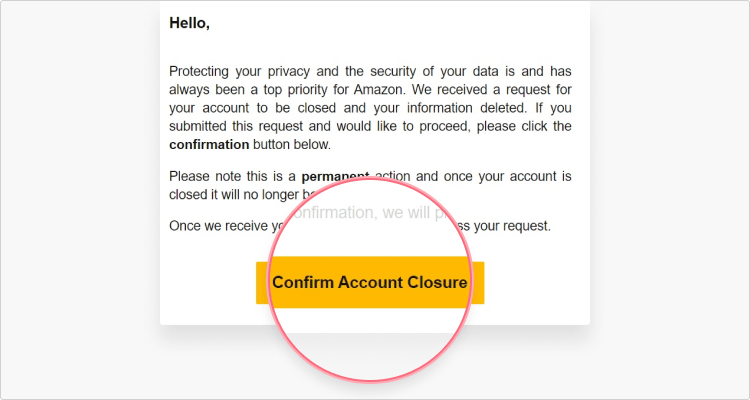
Amazon’s dominance in e-commerce means millions of users interact with the platform daily, but life changes—whether due to privacy concerns, financial decisions, or simply wanting a digital detox. The process of deleting an account isn’t as straightforward as pressing a button; it involves navigating layers of customer service, understanding data retention policies, and anticipating potential roadblocks. Many users attempt how to delete my Amazon account only to find themselves tangled in Amazon’s terms of service or stuck in a loop of verification steps. The frustration stems from a system designed to retain users, not accommodate exits.
The irony lies in Amazon’s own policies: while the company markets itself as customer-obsessed, its account deletion process reflects a corporate structure prioritizing retention over transparency. Users often report inconsistencies—some accounts vanish in hours, others linger for weeks, and a few never close despite confirmation emails. This discrepancy raises questions about whether Amazon truly honors deletion requests or if there’s an unspoken hierarchy where certain accounts (e.g., Prime members with high spending) face different treatment. The lack of a one-click solution forces users to engage in a bureaucratic dance, where each step feels like a negotiation with an algorithm.
For those committed to leaving, the process begins with a single question: Why am I doing this? The answer varies—some seek to protect personal data, others want to sever ties after a negative experience, and a few are simply decluttering their digital footprint. Whatever the reason, the path to closure requires patience, preparation, and an understanding of Amazon’s backend systems. This guide cuts through the ambiguity, providing a clear roadmap for how to delete my Amazon account in 2024, including workarounds for common pitfalls and what to expect afterward.
The Complete Overview of How to Delete My Amazon Account
Amazon’s account deletion process is a study in corporate ambiguity. Officially, the company states that users can close their accounts at any time, yet the actual steps are buried in FAQs, customer service forums, and occasional support emails. The process isn’t linear—it’s a mix of automated forms, human verification, and occasional surprises, such as unexpected order cancellations or lingering subscriptions. For users who’ve spent years on the platform, the emotional weight of deletion can be as heavy as the technical hurdles. Unlike social media platforms that offer instant account removal, Amazon’s system is designed to make users think twice, often prompting them to reconsider with pop-ups asking, “Are you sure?”—a psychological tactic to reduce churn.The most critical misconception about how to delete my Amazon account is that it’s irreversible. While Amazon claims data is purged, real-world examples show that some user information (like purchase history or shipping addresses) can resurface in unexpected ways—such as targeted ads or third-party data leaks. This raises ethical questions about whether Amazon’s deletion process is truly permanent or just a facade to maintain the illusion of user control. The lack of a transparent timeline for data removal adds to the confusion, leaving users to wonder if their digital footprint will ever disappear completely.
Historical Background and Evolution
Amazon’s account deletion policy has evolved alongside its business model. In the early 2000s, when the company was still a fledgling bookseller, account closure was a straightforward affair—users could email support, and their accounts would vanish within days. As Amazon expanded into cloud computing (AWS), streaming (Prime Video), and digital services (Kindle, Music), the stakes changed. The company’s revenue streams became intertwined with user data, making account deletion a potential threat to its business. By the late 2010s, Amazon’s terms of service began including clauses that implied account closure could be delayed for “verification purposes,” a euphemism for retaining user data longer than advertised.The turning point came in 2018, when Amazon introduced stricter identity verification for account deletions, citing fraud prevention. While this move was ostensibly to combat fake accounts, it had the unintended consequence of making how to delete my Amazon account a more arduous process for legitimate users. Customer service representatives, often working from scripts, would sometimes misdirect users to “deactivate” instead of “delete,” a distinction that allowed Amazon to keep accounts dormant but accessible. This gray area became a battleground for users seeking true closure, forcing them to escalate complaints to higher-tier support or even social media for resolution.
Core Mechanisms: How It Works
The technical process of deleting an Amazon account is a hybrid of automation and manual intervention. When a user initiates deletion via the official form (found at Amazon’s Account Deletion Page), the system triggers a series of checks. First, it verifies the account’s age—older accounts may require additional documentation, such as a government-issued ID or recent purchase history. Second, it scans for active subscriptions (Prime, Audible, etc.), which Amazon may attempt to cancel separately, sometimes without user consent. Finally, it flags accounts with pending orders, returns, or customer service disputes, which can delay or block deletion entirely.Table of Contents
- The Complete Overview of How to Delete My Amazon Account
- Historical Background and Evolution
- Core Mechanisms: How It Works
- Key Benefits and Crucial Impact
- Major Advantages
- Comparative Analysis
- Future Trends and Innovations
- Conclusion
- Comprehensive FAQs
- Q: Can I delete my Amazon account permanently, or will it just be deactivated?
- Q: What happens to my Prime membership, orders, or subscriptions after deletion?
- Q: Will Amazon sell my data even after I delete the account?
- Q: Why does Amazon ask for my ID or recent orders when deleting the account?
- Q: What should I do if Amazon says my account can’t be deleted due to “pending issues”?
- Q: Can I delete my Amazon account if I have an active Amazon Business account?
- Q: Will deleting my Amazon account affect my Amazon Pay balance or linked bank accounts?
- Q: How long does it take for Amazon to fully delete my account?
- Q: Can I reuse the same email for a new Amazon account after deletion?
- Q: What if I change my mind after deleting my Amazon account?
Behind the scenes, Amazon’s servers don’t immediately purge data. Instead, they mark the account as “inactive” and begin a phased deletion process. Personal details like name, email, and shipping addresses are often removed within 24–48 hours, but purchase history and browsing data may linger in Amazon’s databases for months—or even years—depending on the user’s interaction history. This discrepancy is why some users report seeing their old Amazon orders resurface in ads or third-party data brokers long after deletion. The process is further complicated by Amazon’s global infrastructure, where accounts tied to international addresses may face additional verification steps or regional policy variations.
Key Benefits and Crucial Impact
For users seeking a clean break from Amazon, the benefits of deletion extend beyond privacy. Financial freedom is a primary motivator—many high-spending customers find themselves trapped in subscription loops or targeted by aggressive upselling tactics. By closing an account, users regain control over their spending habits and reduce the risk of unauthorized charges. Additionally, deletion can mitigate the psychological toll of Amazon’s algorithmic recommendations, which some users describe as intrusive or manipulative. For families sharing an account, closure provides a way to reset digital footprints, especially for minors whose data Amazon collects without explicit parental consent.The impact of deleting an Amazon account isn’t just personal—it’s cultural. As users opt out, they contribute to a growing movement questioning the ethics of data retention in tech giants. Amazon’s reluctance to simplify the process reflects a broader industry trend where companies prioritize data hoarding over user autonomy. Yet, for those who succeed in leaving, the rewards are tangible: fewer targeted ads, reduced exposure to corporate tracking, and the satisfaction of reclaiming digital sovereignty.
“Deleting an Amazon account is like trying to unsubscribe from a newsletter that keeps resending itself—you think you’ve succeeded, but then you see your old orders in an ad. The system is designed to make you feel like you’ve failed, even when you haven’t.”
— Tech Policy Analyst, 2023
Major Advantages
- Data Privacy: Removes personal information from Amazon’s databases, reducing the risk of data breaches or third-party exposure.
- Financial Control: Stops automatic subscriptions, one-click purchases, and targeted promotions that drain wallets.
- Algorithm Freedom: Eliminates personalized recommendations and ad tracking, offering a respite from Amazon’s surveillance-based business model.
- Digital Decluttering: Clears out old orders, wish lists, and saved payment methods, simplifying future online interactions.
- Ethical Alignment: Supports a growing movement against corporate data retention, sending a message to companies about user rights.

Comparative Analysis
| Amazon Account Deletion | Alternative Platforms (e.g., eBay, Walmart) |
|---|---|
|
|
| Workaround Needed: Some users report success by contacting support via social media (Twitter/X, Facebook) if the form fails. | Ease of Exit: Platforms like eBay offer direct links to account deletion with minimal friction. |
| Post-Deletion Risks: Lingering ads, data leaks, or reactivation prompts if email is reused. | Post-Deletion Benefits: Immediate cessation of tracking and targeted marketing. |
Future Trends and Innovations
As privacy regulations like GDPR and CCPA tighten, Amazon may face pressure to streamline account deletion processes. However, the company’s business model—built on data-driven personalization—suggests resistance to change. Future innovations in this space could include:1. Self-Service Deletion Portals: A dedicated, transparent tool where users can track data removal in real time.
2. Automated Data Wiping: AI-driven systems that confirm deletion within hours, not weeks.
3. Third-Party Audits: Independent verification of deleted accounts to prevent data resurfacing.
Yet, Amazon’s incentives remain aligned with retention. Until legal or consumer pressure forces a shift, users seeking how to delete my Amazon account will continue navigating a system designed to make exit difficult. The onus falls on individuals to persist—whether through repeated support requests, legal escalations, or simply refusing to engage with the platform post-deletion.

Conclusion
Deleting an Amazon account is less about following a set of instructions and more about outmaneuvering a system built to keep users trapped. The process reveals the tension between corporate interests and individual rights, exposing how even basic actions like account closure can become battlegrounds. For those who succeed, the rewards are clear: privacy, financial autonomy, and a break from algorithmic surveillance. But the journey isn’t for the faint of heart—it requires patience, persistence, and a willingness to challenge Amazon’s default settings.The takeaway for users is simple: if you’re serious about leaving, treat the deletion process like a negotiation. Use every tool at your disposal—official forms, social media complaints, and even public shaming via reviews—to force Amazon’s hand. And remember, the moment you confirm deletion, your digital footprint may still linger. The real work begins after the “success” message appears: monitoring your email for reactivation prompts, changing passwords, and avoiding Amazon’s ecosystem entirely. In 2024, how to delete my Amazon account isn’t just a technical question—it’s a statement.
Comprehensive FAQs
Q: Can I delete my Amazon account permanently, or will it just be deactivated?
Amazon’s official policy states that deleted accounts are “permanently removed,” but real-world results vary. Some users report accounts resurfacing in ads or third-party databases months later. To maximize chances of true deletion, use a dedicated email for Amazon, avoid logging in post-deletion, and monitor for reactivation emails. If your account was tied to Prime or other services, those may auto-cancel separately—check your payment methods for lingering charges.
Q: What happens to my Prime membership, orders, or subscriptions after deletion?
Prime memberships are canceled automatically, but you may receive a prorated refund or credit. Active orders are canceled, and returns are processed as usual. Subscriptions (Audible, Kindle Unlimited, etc.) tied to your account will terminate, but some may require manual cancellation via their respective platforms. Saved payment methods are removed, but check your bank statements for any unexpected charges post-deletion.
Q: Will Amazon sell my data even after I delete the account?
Amazon’s privacy policy allows it to retain “aggregated, non-personally identifiable” data indefinitely for “business purposes.” However, selling your personal data (name, email, purchase history) to third parties is prohibited under GDPR and CCPA. That said, data leaks or third-party breaches have exposed user information in the past. To mitigate risks, use a burner email for Amazon, avoid linking accounts, and consider tools like Have I Been Pwned to monitor for leaks.
Q: Why does Amazon ask for my ID or recent orders when deleting the account?
This is Amazon’s fraud prevention measure, designed to verify that the account holder is a real person. Older accounts or those with minimal activity may trigger additional checks. If you’re denied deletion, try contacting support via Twitter/X (@AmazonHelp) or Facebook with screenshots of your attempts—they may override the automated system. Avoid creating a new account with the same email, as Amazon may flag it as a duplicate.
Q: What should I do if Amazon says my account can’t be deleted due to “pending issues”?
Pending orders, returns, or customer service disputes are common roadblocks. First, cancel all open orders and complete returns. If disputes remain, email Amazon Customer Service at customer-service@amazon.com with your order/return IDs and a request for deletion. If that fails, escalate via social media or file a complaint with the FTC. Some users report success by threatening to switch to competitors, though Amazon rarely responds to such tactics.
Q: Can I delete my Amazon account if I have an active Amazon Business account?
No. Amazon Business accounts require separate deletion requests and often involve additional verification (tax ID, business documents). Start by converting the Business account to a personal one (if eligible), then proceed with the standard deletion process. If that fails, contact Amazon Seller Support for assistance. Note that Business accounts may have lingering data even after deletion due to their commercial nature.
Q: Will deleting my Amazon account affect my Amazon Pay balance or linked bank accounts?
Your Amazon Pay balance is canceled, and any funds are refunded to your original payment method within 5–10 business days. Linked bank accounts or credit cards are removed, but ensure no pending transactions exist. If you used Amazon Pay for third-party services (e.g., Uber, Booking.com), those may still have your payment details—update them separately. Always check your bank statements post-deletion for unauthorized charges.
Q: How long does it take for Amazon to fully delete my account?
The official timeline is “within 60 days,” but most users see immediate changes (email removal, order history gone). However, some data (like browsing history or ad preferences) may take longer. To track progress, log in occasionally (if possible) or use a tool like Have I Been Pwned to check for lingering traces. If your account resurfaces in ads, report it to Amazon via their feedback form.
Q: Can I reuse the same email for a new Amazon account after deletion?
Technically yes, but Amazon may flag the email as a “duplicate” and require additional verification. To avoid issues, use a new email for future accounts. If you must reuse the old one, wait at least 30 days post-deletion and avoid logging into Amazon during that period. Some users report being locked out permanently if they reuse an email too soon—Amazon’s systems sometimes associate emails with deleted accounts for fraud prevention.
Q: What if I change my mind after deleting my Amazon account?
Amazon does not offer a “reactivation” process. If you delete your account and later want to return, you’ll need to create a new one with a different email. Your old purchase history, wish lists, and Prime benefits will not transfer. To avoid this, consider “deactivating” instead of deleting—though this keeps your account dormant and may still collect data. For true closure, deletion is the only option.
Leave a Comment
Comments are moderated before appearing. The data you submit is processed according to the Privacy Policy of Neip.