California’s Sales Tax Mastery: The Definitive Guide to CA Sales Tax Rate Comprehensive Insights
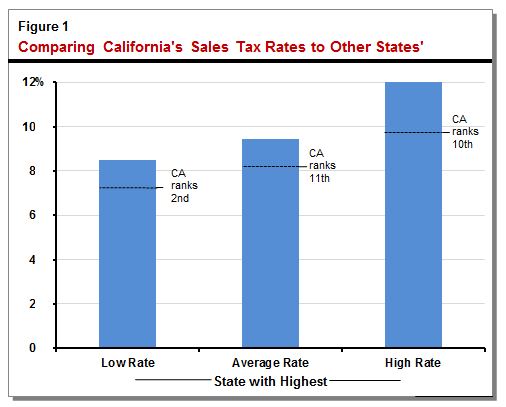
California’s sales tax system is a labyrinth of rates, exemptions, and local variations that even seasoned business owners struggle to navigate. With a base rate of 7.25%—but local jurisdictions adding layers of complexity—understanding the CA sales tax rate comprehensive framework isn’t just about compliance; it’s about strategic financial planning. From the Gold Rush era’s ad-hoc levies to today’s digital marketplace challenges, the state’s tax structure has evolved into a patchwork of rules that demand precision. Whether you’re a retailer, e-commerce operator, or consumer, missteps here can mean costly audits or missed savings.
The stakes are higher than ever. California’s economy—second-largest in the U.S.—relies heavily on sales tax revenue, which funds everything from education to infrastructure. Yet, the system’s opacity leaves many scratching their heads over whether a transaction qualifies for exemption, how to handle remote sales, or why their local rate seems to fluctuate. The comprehensive CA sales tax rate isn’t just a number; it’s a dynamic equation influenced by state, county, and city layers, with special districts adding yet another tier. Ignoring these nuances can lead to overpayments, underpayments, or even legal exposure.
What follows is a meticulous breakdown of California’s sales tax ecosystem—how it operates, its historical underpinnings, and the critical factors shaping its future. For businesses, this knowledge is power; for consumers, it’s clarity. Let’s dissect the system piece by piece.
The Complete Overview of California’s Sales Tax System
California’s sales tax regime is a hybrid of state-wide consistency and hyper-local variability. At its core, the CA sales tax rate comprehensive structure begins with a 7.25% state levy, but this is just the starting point. Each of California’s 58 counties can add up to 2.5% (with most opting for 1.25%), and cities or special districts may tack on another 0.5% to 1%. The result? A total rate ranging from 7.25% to a staggering 10.25% in high-tax areas like Los Angeles or San Francisco. This variability isn’t arbitrary; it reflects regional needs, from urban density to tourism dependence.The complexity deepens when considering exemptions. Certain transactions—like sales of prescription drugs, medical devices, or agricultural equipment—are fully or partially exempt. Meanwhile, industries like manufacturing or publishing often qualify for special rates or resale certificates. The comprehensive CA sales tax rate isn’t just about percentages; it’s about understanding which transactions fall under which rules. For example, a software subscription sold in California might be taxed at 0% if classified as a "digital product," but a physical book sold at a bookstore in Sacramento could face a 9.5% rate. The distinction hinges on precise definitions and, increasingly, the platform or method of sale.
Historical Background and Evolution
California’s sales tax history traces back to 1933, when the state became one of the first in the nation to implement a general sales tax. At the time, the rate was a modest 2%, designed to generate revenue during the Great Depression without overburdening citizens. Over the decades, however, the rate has climbed incrementally, mirroring the state’s growing population and infrastructure demands. The shift to a CA sales tax rate comprehensive system—with layered local rates—gained traction in the 1970s, as counties sought autonomy to fund local services.The 1990s marked another turning point with the rise of e-commerce. California, like many states, initially struggled to tax online sales, leading to legal battles and the eventual 2018 Wayfair Supreme Court ruling, which forced remote sellers to collect sales tax based on their customer’s location. This decision reshaped the comprehensive CA sales tax rate landscape, requiring businesses to integrate complex tax engines capable of calculating rates in real time. Today, the system is a blend of historical precedent and modern adaptability, with the state continuously refining rules to keep pace with digital commerce and emerging industries like cannabis or cryptocurrency.
Core Mechanisms: How It Works
The CA sales tax rate comprehensive system operates on three pillars: jurisdiction, transaction type, and compliance. Jurisdiction is determined by the buyer’s location—whether a physical address or a digital footprint (e.g., IP address). Transaction type dictates the rate: tangible goods, services, and digital products each fall under distinct rules. For instance, a pair of shoes sold in-store in San Diego is taxed at 8.75%, but the same shoes sold via an out-of-state website might be tax-free unless the seller has a California nexus.Table of Contents
- The Complete Overview of California’s Sales Tax System
- Historical Background and Evolution
- Core Mechanisms: How It Works
- Key Benefits and Crucial Impact
- Major Advantages
- Comparative Analysis
- Future Trends and Innovations
- Conclusion
- Comprehensive FAQs
- Q: What is the base state sales tax rate in California?
- Q: How do I determine the correct sales tax rate for a transaction in California?
- Q: Are there any sales tax exemptions in California?
- Q: What is the "nexus" rule for online sellers in California?
- Q: How often must businesses file sales tax returns in California?
- Q: Can I claim a refund if I overpaid sales tax?
- Q: What happens if I fail to comply with California’s sales tax laws?
Compliance hinges on accurate record-keeping and timely filings. Businesses must register with the California Department of Tax and Fee Administration (CDTFA) and obtain a seller’s permit. They then collect the appropriate CA sales tax rate from customers and remit it monthly, quarterly, or annually, depending on their sales volume. Failure to comply can trigger penalties, interest, or even revocation of the seller’s permit. Automated tax solutions have become indispensable for businesses operating across multiple jurisdictions, as manual calculations are prone to error in a system this fluid.
Key Benefits and Crucial Impact
For businesses, navigating the CA sales tax rate comprehensive framework isn’t just about avoiding penalties—it’s about optimizing revenue and customer experience. A well-structured tax strategy can reduce costs, improve cash flow, and even enhance competitiveness. For consumers, understanding these rates means making informed purchasing decisions, especially when comparing prices across states with lower taxes. The system, despite its complexity, is designed to balance revenue generation with fairness, though critics argue the burden disproportionately falls on lower-income households who spend a larger share of their income on taxable goods.The economic impact of California’s sales tax cannot be overstated. It funds critical services like education, healthcare, and public safety, with local allocations supporting community projects. Yet, the comprehensive CA sales tax rate also influences consumer behavior, with some shoppers deliberately crossing state lines to avoid higher taxes—a phenomenon known as "tax tourism." This dynamic underscores the need for businesses to stay agile, ensuring their pricing and compliance strategies align with the ever-shifting tax landscape.
"California’s sales tax system is a testament to the tension between state revenue needs and local autonomy. The result is a model that’s both robust and riddled with exceptions—requiring businesses to treat tax compliance as a core operational function, not an afterthought." — California Tax Policy Institute, 2023
Major Advantages
Understanding the CA sales tax rate comprehensive system offers several strategic advantages:- Cost Savings: Accurate tax collection prevents overpayment penalties and interest charges, which can accumulate quickly for high-volume sellers.
- Competitive Pricing: Businesses can adjust prices dynamically based on local tax rates, avoiding unintended price disparities that could deter customers.
- Legal Protection: Proper compliance shields businesses from audits or legal action, particularly in high-scrutiny industries like cannabis or online retail.
- Customer Trust: Transparent tax handling builds credibility, as consumers increasingly expect businesses to handle transactions—including taxes—seamlessly.
- Scalability: Automated tax solutions allow businesses to expand into new California markets without manual rate calculations, streamlining operations.

Comparative Analysis
| Factor | California | National Average (U.S.) ||--------------------------|----------------------------------------|--------------------------------------|
| Base State Rate | 7.25% | 5.16% |
| Highest Combined Rate| 10.25% (e.g., Los Angeles) | 10.23% (e.g., Chicago) |
| Local Rate Flexibility | Counties/cities add up to 2.5%+ | Varies by state (e.g., Texas: 0%) |
| E-Commerce Rules | Strict nexus requirements post-Wayfair | Mixed; some states lag in enforcement |
| Exemptions | Broad (e.g., groceries, prescription drugs) | Narrower in many states (e.g., no sales tax in Oregon) |
Future Trends and Innovations
The CA sales tax rate comprehensive system is poised for further evolution, driven by technological advancements and legislative shifts. Artificial intelligence and blockchain are already being explored to automate tax calculations and reduce fraud, while the state may expand its focus on digital products and services. Additionally, California could follow other states in adopting a "marketplace facilitator" law, shifting tax collection responsibility to platforms like Amazon or Etsy. For businesses, this means staying ahead of regulatory changes—whether through AI-driven compliance tools or proactive lobbying to shape future policies.Consumer behavior will also play a role. As remote work becomes more common, the concept of "tax residency" may blur, forcing California to reconsider how it defines nexus for digital transactions. Meanwhile, sustainability initiatives—like tax incentives for green products—could introduce new exemptions or tiered rates, adding another layer to the comprehensive CA sales tax rate puzzle.

Conclusion
California’s sales tax system is a reflection of its economic diversity and political complexity. The CA sales tax rate comprehensive framework, with its layered rates and nuanced exemptions, demands vigilance from businesses and consumers alike. For those who master it, the rewards are substantial: cost efficiency, legal security, and a competitive edge. For those who overlook it, the consequences can be severe. As the state continues to adapt to digital commerce and shifting demographics, the key to success lies in treating tax compliance not as a chore, but as a strategic asset.The future of California’s sales tax will be shaped by innovation, legislation, and the relentless march of technology. Businesses that invest in understanding the comprehensive CA sales tax rate today will be best positioned to thrive tomorrow—whether through automation, policy engagement, or simply staying informed.
Comprehensive FAQs
Q: What is the base state sales tax rate in California?
A: The base state sales tax rate in California is 7.25%. However, local jurisdictions (counties, cities, and special districts) can add additional rates, resulting in a combined rate as high as 10.25% in some areas.
Q: How do I determine the correct sales tax rate for a transaction in California?
A: The correct rate depends on the buyer’s location. Use the customer’s shipping address (for physical goods) or billing address (for services/digital products) to identify the applicable county and city rates. Automated tax calculation tools can simplify this process.
Q: Are there any sales tax exemptions in California?
A: Yes. Exemptions include sales of prescription drugs, medical devices, agricultural equipment, and certain manufacturing inputs. Some industries, like publishing or software, may qualify for special rates. Always verify with the California Department of Tax and Fee Administration (CDTFA).
Q: What is the "nexus" rule for online sellers in California?
A: Since the Wayfair decision (2018), online sellers with $100,000 in annual California sales or 200+ transactions must collect sales tax. Nexus can also be established through physical presence (warehouses, employees) or economic activity (e.g., targeted ads).
Q: How often must businesses file sales tax returns in California?
A: Filing frequency depends on sales volume:
- Monthly: If sales exceed $10,000/month.
- Quarterly: For sales between $1,000 and $10,000/month.
- Annually: For sales under $1,000/month.
Q: Can I claim a refund if I overpaid sales tax?
A: Yes, but the process varies. Overpayments can be applied to future returns or refunded via the CDTFA’s online portal. Ensure all records are accurate, as refunds may be delayed or denied for incomplete documentation.
Q: What happens if I fail to comply with California’s sales tax laws?
A: Non-compliance can result in:
- Penalties: 10% of the unpaid tax (minimum $100).
- Interest: 7% annual rate (compounded daily).
- Legal Action: Potential audits or revocation of your seller’s permit.
Leave a Comment
Comments are moderated before appearing. The data you submit is processed according to the Privacy Policy of Neip.