The Secret Behind What Is a Dirty Dr Pepper – A Deep Dive Into the Iconic Mix

The first time a bartender slides a glass of whiskey with a splash of Dr Pepper across the bar, the reaction is often the same: a pause, a sniff, and then a slow, approving nod. That’s the power of what is a dirty Dr Pepper—a drink that defies expectations by blending the bold, caramel-rich sweetness of soda with the smoky depth of whiskey. It’s a collision of childhood nostalgia and adult sophistication, a cocktail that feels both familiar and unexpectedly refined. The name itself is a playful nod to its murky, amber hue, a far cry from the crystal-clear whiskey neat or the pristine pour of a gin and tonic. Yet, this "dirty" moniker isn’t just about appearance; it’s a shorthand for a cultural shift in how we perceive cocktails—where soda isn’t an afterthought but a deliberate, flavor-enhancing ingredient.
What makes what is a dirty Dr Pepper so intriguing is its paradox. On one hand, it’s a drink that could’ve been dismissed as a lazy shortcut—a way to stretch a bottle of whiskey with something cheap and sweet. On the other, it’s a testament to the art of balance, where the acidity of the soda cuts through the whiskey’s burn, while the caramel and vanilla notes of Dr Pepper add layers of complexity. Bartenders and mixologists have elevated it from a dive-bar curiosity to a craft cocktail staple, proving that sometimes the most unexpected combinations yield the most memorable results. The drink’s rise also mirrors broader trends in modern mixology, where rules are bent, ingredients are reimagined, and tradition meets innovation.
The story of what is a dirty Dr Pepper begins not in a high-end speakeasy but in the unglamorous corners of American bar culture, where creative bartenders were always on the hunt for the next big thing. It’s a drink that thrives on simplicity—just whiskey, soda, and ice—but its appeal lies in the way those three elements transform into something greater than the sum of their parts. Whether you’re sipping it in a dimly lit sports bar or a trendy tiki lounge, the question lingers: Why does this work? The answer lies in the chemistry, the history, and the sheer audacity of turning a soda into a cocktail cornerstone.
The Complete Overview of What Is a Dirty Dr Pepper
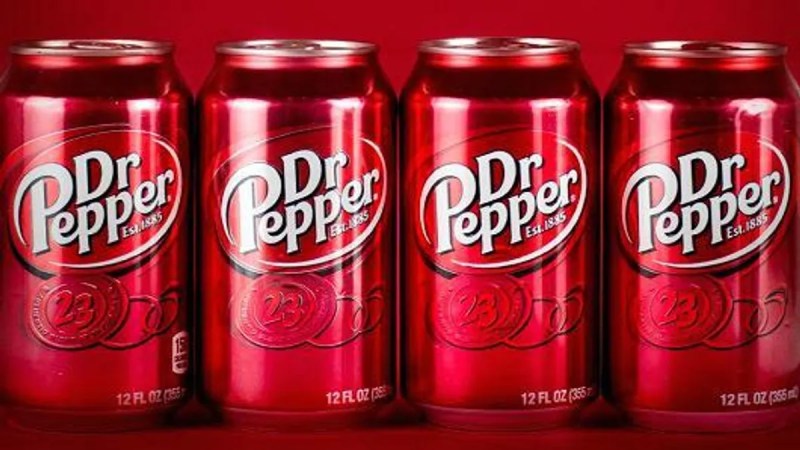
At its core, what is a dirty Dr Pepper is a whiskey-based cocktail that replaces the traditional water or soda water in a whiskey highball with Dr Pepper, the iconic American cola known for its unique blend of 23 flavors, including amaretto, licorice, and molasses. The result is a drink that’s sweeter, richer, and more complex than its predecessors, like the whiskey cola or the rum and Coke. The "dirty" in the name isn’t just a playful descriptor—it reflects the drink’s murky, amber color, a visual cue that signals something unexpected is happening. This cocktail is a masterclass in contrast: the bold, almost medicinal notes of whiskey meet the caramelized, spiced sweetness of Dr Pepper, creating a harmony that’s both comforting and intriguing.What sets what is a dirty Dr Pepper apart is its versatility. It’s a drink that adapts to the whiskey used—whether it’s a smooth bourbon, a peaty Scotch, or a bold rye—each bringing its own character to the mix. The soda’s carbonation also plays a crucial role, adding a lively effervescence that prevents the drink from becoming too heavy. It’s a cocktail that’s easy to make but nearly impossible to perfect, as the balance between whiskey and soda must be just right. Too much soda, and the whiskey’s depth is lost; too little, and the drink becomes flat. The magic lies in the middle, where the two ingredients dance together in a way that feels both nostalgic and fresh.
Historical Background and Evolution
The origins of what is a dirty Dr Pepper are shrouded in the kind of barroom folklore that’s hard to pin down. Unlike cocktails with documented histories—like the Manhattan or the Old Fashioned—this drink emerged from the collective creativity of bartenders who saw potential in an unlikely pairing. The earliest references to whiskey and Dr Pepper cocktails date back to the 1980s and 1990s, when bartenders in Texas and the Southeast began experimenting with soda as a mixer. Dr Pepper, with its distinctive flavor profile, stood out from the crowd, offering a depth that other colas couldn’t match. The name "dirty" likely originated in the late 2000s, as the drink gained popularity in underground bar scenes, where playful, descriptive names were all the rage.The evolution of what is a dirty Dr Pepper mirrors the broader shift in cocktail culture toward bolder, more experimental drinks. In the 2010s, as craft cocktails gained mainstream traction, bartenders began refining the recipe, adjusting the whiskey-to-soda ratio and even adding garnishes like orange slices or cinnamon sticks to enhance the flavor. The drink’s simplicity made it a favorite in dive bars, but its adaptability also allowed it to thrive in upscale settings. Today, variations abound—some use ginger beer instead of Dr Pepper, others add a dash of bitters, and a few even incorporate spices like cardamom or allspice. Yet, at its heart, the drink remains a celebration of two ingredients doing something extraordinary together.
Core Mechanisms: How It Works
The genius of what is a dirty Dr Pepper lies in its chemistry. Whiskey, with its high proof and complex flavor profile, is often paired with water or soda water to dilute its alcohol content and soften its harshness. Dr Pepper, however, does more than just dilute—it transforms. The soda’s caramel, vanilla, and spice notes complement the whiskey’s oak, fruit, and spice undertones, creating a symphony of flavors. The acidity in Dr Pepper also plays a crucial role, cutting through the whiskey’s sweetness and adding a bright, refreshing contrast. This interplay is what makes the drink so addictive: each sip is a balance of richness and brightness, warmth and coolness.Table of Contents
- The Complete Overview of What Is a Dirty Dr Pepper
- Historical Background and Evolution
- Core Mechanisms: How It Works
- Key Benefits and Crucial Impact
- Major Advantages
- Comparative Analysis
- Future Trends and Innovations
- Conclusion
- Comprehensive FAQs
- Q: What’s the difference between a dirty Dr Pepper and a whiskey cola?
- Q: Can I make a dirty Dr Pepper with any whiskey?
- Q: Why is it called "dirty"?
- Q: What’s the best way to serve a dirty Dr Pepper?
- Q: Are there non-alcoholic versions of a dirty Dr Pepper?
- Q: How do I adjust the sweetness level in a dirty Dr Pepper?
- Q: Is a dirty Dr Pepper a modern invention, or has it been around for a long time?
The carbonation in Dr Pepper is another key factor. Unlike still mixers, the bubbles create a lively texture that keeps the drink from feeling flat or heavy. This effervescence also helps distribute the flavors more evenly, ensuring that every sip delivers a consistent experience. The ratio of whiskey to soda is critical—most bartenders use a 1:1 or 2:1 ratio, depending on the whiskey’s strength and the desired sweetness level. Too much soda can overwhelm the whiskey’s character, while too little can make the drink taste like a straight pour with a splash of sweetness. The art of crafting what is a dirty Dr Pepper is in finding that sweet spot where both ingredients shine.
Key Benefits and Crucial Impact
The rise of what is a dirty Dr Pepper isn’t just a trend—it’s a reflection of how cocktail culture has embraced simplicity and bold flavors. In an era where complex, multi-ingredient cocktails dominate menus, this drink stands out for its minimalism. It’s a reminder that sometimes, the best creations are those that don’t overcomplicate things. The drink’s popularity has also democratized cocktail making, proving that anyone can craft something remarkable with just two ingredients and a little creativity. For whiskey lovers, it’s a gateway to exploring new flavors without the need for expensive ingredients or complex techniques.Beyond its taste, what is a dirty Dr Pepper has had a cultural impact, becoming a symbol of the "no-frills" cocktail movement. It’s a drink that feels approachable yet sophisticated, making it a favorite among both casual drinkers and seasoned mixologists. Bars have embraced it as a signature cocktail, often listing it alongside classics like the Old Fashioned or the Margarita. Its versatility has also made it a staple in tiki culture, where soda-based cocktails are a mainstay. The drink’s ability to adapt to different whiskeys and settings has cemented its place in modern mixology, proving that sometimes, the simplest ideas are the most enduring.
"The beauty of a dirty Dr Pepper is that it’s a drink that doesn’t try too hard. It lets the whiskey and the soda speak for themselves, and that’s what makes it so special." — Award-winning bartender and mixologist
Major Advantages
- Flavor Complexity: The combination of whiskey and Dr Pepper creates a depth of flavor that’s far more interesting than either ingredient alone. The caramel, vanilla, and spice notes in the soda enhance the whiskey’s natural characteristics, making it a more layered drinking experience.
- Accessibility: With just two ingredients, what is a dirty Dr Pepper is one of the easiest cocktails to make. It requires no special equipment or techniques, making it perfect for home bartenders and casual drinkers.
- Versatility: The drink adapts to different whiskeys—bourbon, Scotch, rye—each bringing its own unique profile to the mix. This makes it a great way to experiment with new spirits without committing to a full recipe.
- Cultural Relevance: As a staple in both dive bars and upscale lounges, the drink has become a symbol of modern cocktail culture’s willingness to embrace simplicity and bold flavors.
- Affordability: Compared to other craft cocktails that require multiple ingredients or expensive spirits, what is a dirty Dr Pepper is a budget-friendly option that delivers big on flavor.

Comparative Analysis
| Dirty Dr Pepper | Whiskey Cola |
|---|---|
| Uses Dr Pepper, which has a unique blend of 23 flavors, including amaretto, licorice, and molasses. | Uses cola, which is sweeter and less complex, with a more uniform flavor profile. |
| The drink is often served in a highball glass with ice, emphasizing its effervescence and visual appeal. | Typically served in a rocks glass, with a focus on the whiskey’s richness over carbonation. |
| The balance between whiskey and soda is critical, with most recipes using a 1:1 or 2:1 ratio. | The ratio is usually 1:2 or 1:3, with more soda to dilute the whiskey’s strength. |
| Often garnished with an orange slice or cinnamon stick to enhance the spiced notes. | Usually garnished with a lime wedge or cherry, sticking to classic cola cocktail traditions. |
Future Trends and Innovations
As cocktail culture continues to evolve, what is a dirty Dr Pepper is poised to remain a staple, but with a few exciting twists. One emerging trend is the use of alternative sodas—ginger beer, cream soda, or even root beer—to create variations that play with different flavor profiles. Bartenders are also experimenting with infused whiskeys, adding spices like cinnamon or vanilla to the spirit before mixing it with Dr Pepper. Another innovation is the rise of "dirty" cocktails beyond whiskey, with some mixologists applying the same principles to rum, tequila, or even mezcal.The future of what is a dirty Dr Pepper may also lie in its presentation. As Instagram-worthy cocktails gain popularity, bartenders are finding creative ways to make the drink more visually appealing, using smoked glassware, edible garnishes, or even dry ice for a dramatic effect. Sustainability is another factor that could shape the drink’s evolution, with a growing emphasis on using locally sourced whiskeys and organic sodas. Whatever the future holds, one thing is certain: the spirit of what is a dirty Dr Pepper—bold, simple, and unapologetically flavorful—will continue to inspire.
Conclusion
What is a dirty Dr Pepper is more than just a cocktail—it’s a cultural phenomenon that embodies the best of modern mixology: creativity, simplicity, and a willingness to break the rules. What started as a barroom experiment has grown into a drink that’s beloved by whiskey enthusiasts and soda lovers alike. Its rise is a testament to the power of unexpected pairings and the enduring appeal of bold flavors. Whether you’re sipping it in a neon-lit bar or crafting it at home, the drink offers a perfect balance of richness and refreshment, warmth and brightness.As cocktail trends come and go, what is a dirty Dr Pepper remains a constant—a reminder that sometimes, the most memorable experiences come from the simplest ideas. It’s a drink that invites experimentation, encourages conversation, and delivers a flavor experience that’s hard to resist. In a world of overcomplicated recipes and trend-chasing menus, this cocktail stands as a refreshing reminder that great things often come from keeping it real—and dirty.
Comprehensive FAQs
Q: What’s the difference between a dirty Dr Pepper and a whiskey cola?
A: The key difference lies in the soda used. A whiskey cola typically uses a standard cola, which is sweeter and less complex, while a dirty Dr Pepper uses the eponymous soda, which has a unique blend of 23 flavors, including caramel, vanilla, and spice notes. This gives the dirty Dr Pepper a more layered, sophisticated taste compared to the straightforward sweetness of a whiskey cola.
Q: Can I make a dirty Dr Pepper with any whiskey?
A: While you can technically use any whiskey, the best results come from spirits with complementary flavors. Bourbon, with its caramel and vanilla notes, pairs exceptionally well, as does rye whiskey, which adds a spicy kick. Lighter whiskeys like Scotch or Irish whiskey can also work but may require a slightly higher soda-to-whiskey ratio to balance the flavors.
Q: Why is it called "dirty"?
A: The name "dirty" likely refers to the drink’s murky, amber color, which contrasts with the clear appearance of a whiskey neat or on the rocks. The term also carries a playful, slightly rebellious connotation, suggesting that this cocktail breaks the rules of traditional mixology by using soda in a non-traditional way.
Q: What’s the best way to serve a dirty Dr Pepper?
A: The drink is best served in a highball glass filled with ice, allowing the carbonation to shine. Some bartenders prefer a rocks glass for a more whiskey-forward experience. Garnishes like an orange slice or a cinnamon stick can enhance the drink’s spiced and citrusy notes, while a lemon twist adds a bright contrast.
Q: Are there non-alcoholic versions of a dirty Dr Pepper?
A: Yes! A popular non-alcoholic version replaces whiskey with ginger beer or a whiskey-flavored syrup. Some variations also use sparkling water mixed with Dr Pepper and a splash of bitters for a similar effect. While it won’t have the same depth as the alcoholic version, it’s a great mocktail option for those who want to enjoy the flavors without the alcohol.
Q: How do I adjust the sweetness level in a dirty Dr Pepper?
A: If the drink is too sweet, try using a higher-proof whiskey or reducing the amount of soda. For a sweeter version, you can add a touch of simple syrup or a dash of bitters to balance the flavors. Experimenting with different whiskeys can also help—darker, more robust spirits like bourbon or rye tend to stand up better to the soda’s sweetness.
Q: Is a dirty Dr Pepper a modern invention, or has it been around for a long time?
A: While the name "dirty Dr Pepper" gained popularity in the late 2000s and 2010s, the concept of mixing whiskey with soda dates back much further. Early versions of the drink appeared in bar menus in the 1980s and 1990s, particularly in Texas and the Southeast. Its modern resurgence is tied to the craft cocktail movement, which embraced bold, simple, and flavorful combinations.
Leave a Comment
Comments are moderated before appearing. The data you submit is processed according to the Privacy Policy of Neip.