Costa Rica’s Hidden Culinary Gems: The Best Food in Costa Rica You Must Try

Costa Rica’s culinary identity is a paradox: unpretentious yet deeply layered, rustic yet refined. The country’s food isn’t about flashy presentation or Michelin stars—it’s about sabor puro, pure flavor, born from volcanic soil, Pacific breezes, and Caribbean rhythms. Here, every meal tells a story: the smoky heat of chicharrón from a roadside soda, the tang of casado simmered in clay pots, or the sweet crunch of tres leches cake under the midday sun. Yet beyond the stereotypes of rice-and-beans dishes, there’s a hidden world of indigenous techniques, Afro-Caribbean spices, and modern reinventions that define the best food in Costa Rica.
What makes Tico cuisine extraordinary is its adaptability. In the highlands, corn and beans dominate, while the Pacific coast leans into seafood and coconut. The Afro-Caribbean region of Limón introduces jerk spices and plantains, and the Central Valley’s coffee farms yield more than just beans—they inspire desserts like tres leches and arroz con leche. Even the simplest dishes, like patacones (fried plantains), carry centuries of trade and migration. To truly understand the best food in Costa Rica, you must eat with your hands, share plates, and let the landscape dictate the menu.
The Complete Overview of Costa Rica’s Culinary Landscape
The best food in Costa Rica is a living mosaic of indigenous traditions, colonial influences, and contemporary innovation. Unlike its neighbors, Costa Rica’s cuisine hasn’t been overshadowed by global chains or fusion trends—it thrives in sodas (family-run eateries), restaurantes típicos, and bustling markets where grandmothers still stir picadillo with love. The foundation lies in three pillars: gallo pinto (the national breakfast of rice and beans), casado (a hearty lunch platter), and tres leches (a dessert that’s a national obsession). But the magic happens in the details—the way cebolla criolla (Tico onion) adds a sharp bite, how yuca (cassava) transforms into crispy patacones, or how chifrijo (a snack of beans, rice, and salsa) becomes a late-night staple.What sets the best food in Costa Rica apart is its harmony with nature. The country’s biodiversity—from tropical fruits like mamey and guanábana to coffee-grown highlands—infuses every dish. Even the simplest tamal (steamed corn dough) varies by region: in the Central Valley, it’s wrapped in banana leaves; in the Caribbean, it’s spiced with Scotch bonnet peppers. Sustainability isn’t a trend here; it’s tradition. Many sodas source ingredients from fincas (farms) just hours away, and seafood is as fresh as the tide. To eat well in Costa Rica is to eat responsibly, a philosophy that elevates even the most humble plate.
Historical Background and Evolution
The roots of the best food in Costa Rica stretch back millennia, when indigenous groups like the Bribri and Boruca cultivated corn, beans, and yuca. Spanish colonization introduced rice, pork, and citrus, while African slaves brought plantains, coconut, and bold spices to the Caribbean coast. By the 19th century, coffee became the economic backbone, and its cultivation reshaped diets—gallo pinto emerged as a filling, affordable meal for laborers, while tres leches was born from European custards adapted to local dairy. The 20th century saw waves of immigration from Nicaragua and China, adding empanadas and arroz frito to the mix.Today, the best food in Costa Rica reflects this layered history. In San José’s Mercado Central, you’ll find stalls selling everything from queso palmito (heart of palm cheese) to empanadas de carne (meat turnovers), while coastal towns like Puerto Viejo embrace Afro-Caribbean flavors like rondón (a coconut-based stew). Modern chefs, like those at Silvestre in Heredia, are reimagining Tico classics with techniques like fermentation and wood-fired grilling. Yet the soul of the cuisine remains unchanged: communal, unpretentious, and deeply tied to the land.
Core Mechanisms: How It Works
The best food in Costa Rica operates on two principles: pura vida (a lifestyle, not just a phrase) and despensa (the pantry). In rural areas, families preserve harvests through fermentation (chicha, a corn beer) and drying (hierba santa for teas). In cities, markets like Mercado de los Artesanos in Santa Teresa become battlegrounds for the freshest cebollas moradas (purple onions) or chile habanero. The rhythm of eating is also key: breakfast is gallo pinto with eggs; lunch is casado; dinner is lighter, often sopa de fideo (noodle soup) or chifrijo. Even the act of eating is communal—sodas serve family-style, and fondas (small eateries) encourage lingering over plates of arroz con pollo.What makes the best food in Costa Rica sustainable is its reliance on local, seasonal ingredients. A casado in Liberia might feature carne de res (beef) from nearby ranches, while one in Uvita could star langosta (lobster) from the Pacific. The country’s microclimates ensure year-round harvests: guineos (bananas) in the Caribbean, papas (potatoes) in the highlands, and mangos in the Pacific. This isn’t just food—it’s a closed-loop system where every bite supports the farmer, the fisherman, and the soda owner.
Key Benefits and Crucial Impact
The best food in Costa Rica does more than satisfy hunger—it preserves culture, fuels tourism, and even shapes national identity. For locals, it’s a point of pride; for visitors, it’s a gateway to understanding Tico life. The country’s gastronomy has also become an economic driver, with food tourism booming in destinations like Monteverde and Manuel Antonio. But the most profound impact is cultural: dishes like tres leches and gallo pinto are more than recipes—they’re symbols of resilience, adaptation, and joy.Table of Contents
- The Complete Overview of Costa Rica’s Culinary Landscape
- Historical Background and Evolution
- Core Mechanisms: How It Works
- Key Benefits and Crucial Impact
- Major Advantages
- Comparative Analysis
- Future Trends and Innovations
- Conclusion
- Comprehensive FAQs
- Q: What’s the most iconic dish in Costa Rica?
- Q: Is Costa Rican food spicy?
- Q: Where can I find the best tres leches cake?
- Q: Are there vegetarian options in Costa Rica?
- Q: What’s the best time to visit for food festivals?
- Q: How do I order like a local?
As one Costa Rican chef put it:
"Our food is like our democracy—simple, but built to last. No one dish is ‘fancy,’ but together, they tell our story."
Major Advantages
- Affordability: A casado costs $5–$10, while sodas offer hearty meals for under $3. Even high-end restaurantes like Dulce Patria (San José) keep prices reasonable with locally sourced ingredients.
- Nutritional Balance: Tico cuisine emphasizes whole grains, lean proteins, and tropical fruits—dishes like ensalada de papaya (papaya salad) are rich in vitamins, while chifrijo provides fiber and plant-based protein.
- Cultural Authenticity: Unlike global chains, the best food in Costa Rica is served by locals who’ve perfected techniques passed down for generations. In La Fortuna, sodas near Arenal Volcano serve sopa de pollo with herbs foraged from the cloud forest.
- Sustainability: Many ingredients are organic or wild-harvested. In Puerto Viejo, fishermen sell camarón (shrimp) caught the same morning, and fincas in the Central Valley practice agroforestry.
- Adaptability: From casado to arroz de coco (coconut rice), dishes evolve with the seasons and region. In the rainy season, sopas dominate; in dry months, grilled meats take center stage.

Comparative Analysis
| Costa Rica | Neighboring Countries |
|---|---|
| Focus on rice, beans, and tropical fruits; minimal meat-heavy dishes. | Nicaragua: vigilantes (hearty stews); Panama: sancocho (chicken soup with yuca). |
| Afro-Caribbean influence in Limón (jerk, coconut, plantains). | Jamaica/Puerto Rico: Stronger Afro-Caribbean dominance (e.g., ackee and saltfish). |
| Coffee culture drives desserts (tres leches, arroz con leche). | Colombia: arepas and bandeja paisa (heavy on red meat). |
| Seafood-focused Pacific coast; freshwater fish in highlands. | Mexico: More varied seafood (e.g., ceviche with lime, not vinegar). |
Future Trends and Innovations
The best food in Costa Rica is entering a golden age of innovation. Young chefs are blending tradition with global techniques—think casado deconstructed at Silvestre or chifrijo as a gourmet small plate. Sustainability is also driving change: farms in the Central Valley are experimenting with heirloom corn varieties, and sodas in Tamarindo now offer plant-based options like tamal de yuca. Food tourism is growing, with experiences like cooking with a Tico family in Monteverde or chocolate-making tours in Puerto Viejo gaining traction.Yet the future of the best food in Costa Rica hinges on balancing progress with preservation. As urbanization spreads, sodas risk disappearing, replaced by fast-food chains. But initiatives like Slow Food Costa Rica are documenting recipes and training new generations. The challenge? Keeping the soul of Tico cuisine alive while embracing the world.
Conclusion
The best food in Costa Rica is more than a list of dishes—it’s a testament to a nation’s ability to nourish body and spirit. Whether it’s the smoky aroma of chicharrón at a soda in San Ramón or the sweet-tart bite of mango con chile, every meal is a celebration of land, history, and community. For travelers, the best food in Costa Rica offers an escape from tourist traps; for locals, it’s a daily reminder of what matters. In an era of globalized cuisine, Tico food stands out for its authenticity, resilience, and sheer joy.To experience it fully, you don’t need a Michelin guide—just an empty stomach, an open heart, and the willingness to sit down, share a plate, and say "¡Pura vida!" as the flavors unfold.
Comprehensive FAQs
Q: What’s the most iconic dish in Costa Rica?
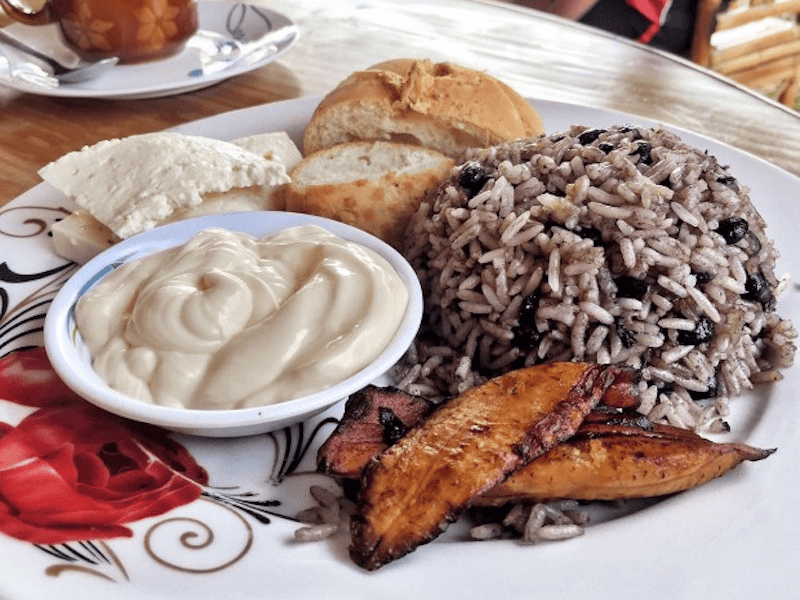
A: Gallo pinto—a breakfast staple of rice, beans, and spices—is the unofficial national dish. It’s eaten daily, often with eggs, tortillas, and natilla (sour cream). For lunch, casado (a platter with rice, beans, meat, salad, and plantains) is the crown jewel.
Q: Is Costa Rican food spicy?
A: Not necessarily. While the Caribbean coast uses habanero peppers, most inland dishes are mild. Ask for "sin picante" (no spice) if you’re sensitive. Chifrijo and sopa de fideo are safe bets for non-spice lovers.
Q: Where can I find the best tres leches cake?
A: Try Panadería La Flor in San José or Pastelería Ideal in Heredia. For a twist, visit Dulce Patria in San José, where it’s served with local fruits like guanábana or maracuyá (passion fruit).
Q: Are there vegetarian options in Costa Rica?
A: Absolutely. Sodas often serve arroz con habichuelas (rice and beans), yuca frita (fried cassava), and ensalada de papaya. In cities, restaurants like Vegetariano in Santa Teresa offer fully plant-based menus.
Q: What’s the best time to visit for food festivals?
A: March–April for Feria Nacional de las Flores (San José) with casado competitions, or September for Festival de la Chiva (Puntarenas) featuring seafood feasts. December’s Navidad brings tamales and buñuelos (fried dough) nationwide.
Q: How do I order like a local?
A: Start with "Una orden de gallo pinto, por favor" for breakfast. For lunch, say "Un casado con carne" (beef) or "pescado" (fish). End meals with "La cuenta, por favor" (the bill). Tipping isn’t mandatory but appreciated (10% in upscale spots).
Leave a Comment
Comments are moderated before appearing. The data you submit is processed according to the Privacy Policy of Neip.