GoFundMe Your Ultimate Guide Navigating: The Smart Way to Crowdfund
GoFundMe has redefined how individuals and communities raise funds for emergencies, medical expenses, or personal projects. Yet, not every campaign succeeds—only those that strategically navigate GoFundMe’s platform with clarity, transparency, and emotional resonance. The difference between a viral success and a forgotten plea often lies in execution: a compelling narrative, targeted outreach, and adherence to platform policies. This guide cuts through the noise to provide actionable insights on GoFundMe your ultimate guide navigating, ensuring your campaign stands out in a sea of requests.
The platform’s simplicity masks its complexity. A well-structured campaign isn’t just about posting a link; it’s about crafting a story that resonates, leveraging social proof, and avoiding common pitfalls like vague descriptions or lack of updates. Whether you’re fundraising for a medical crisis, a creative endeavor, or a community cause, understanding the mechanics—from campaign setup to donor engagement—is non-negotiable. The data speaks: campaigns with clear goals, frequent updates, and multimedia content raise 240% more on average. Ignore these elements, and your efforts may vanish into the algorithm’s abyss.
But the stakes are higher than just fundraising numbers. Ethical considerations, platform policies, and donor psychology all play a role. A poorly managed campaign can backfire, damaging credibility or even triggering legal repercussions. This guide serves as your roadmap—covering everything from GoFundMe’s core mechanics to advanced strategies, comparative analyses with other platforms, and emerging trends. The goal? To turn your campaign from a plea into a movement.
The Complete Overview of GoFundMe Campaigns
GoFundMe operates on a hybrid model of crowdfunding and social fundraising, blending the accessibility of peer-to-peer donations with the scalability of digital outreach. Unlike traditional charity models, it removes intermediary organizations, placing the burden—and opportunity—directly on the creator. This direct connection fosters trust but demands accountability. A campaign’s success hinges on three pillars: clarity of purpose, transparency in progress, and strategic promotion. The platform’s algorithm prioritizes campaigns with high engagement early on, making the first 72 hours critical. Fail to capture attention quickly, and your campaign risks being buried under newer, more dynamic requests.
What sets GoFundMe apart is its adaptability. Whether you’re raising funds for a one-time emergency or a long-term project, the platform accommodates both. However, this flexibility comes with trade-offs. Medical campaigns, for instance, dominate the site, accounting for over 40% of all funds raised. This skew means competition is fierce, and generic pleas for help often get lost. To navigate GoFundMe effectively, you must differentiate your campaign through storytelling, data-driven updates, and leveraging personal networks. The platform’s success stories—like those raising millions for rare diseases or natural disaster relief—prove that with the right approach, even niche causes can thrive.
Historical Background and Evolution
Founded in 2010, GoFundMe emerged during a period when social media was reshaping philanthropy. The platform’s creation was a response to the limitations of traditional fundraising: high fees, bureaucratic hurdles, and lack of donor visibility. Early adopters used it for personal crises, such as medical bills or funeral expenses, but its potential soon expanded. By 2014, campaigns for social causes and creative projects gained traction, signaling a shift toward community-driven fundraising. The platform’s decision to eliminate fees for personal causes in 2016 further democratized access, though it later reintroduced charges for certain categories to combat abuse.
Table of Contents
- The Complete Overview of GoFundMe Campaigns
- Historical Background and Evolution
- Core Mechanisms: How It Works
- Key Benefits and Crucial Impact
- Major Advantages
- Comparative Analysis
- Future Trends and Innovations
- Conclusion
- Comprehensive FAQs
- Q: How long does it take for GoFundMe to process donations?
- Q: Can I run multiple GoFundMe campaigns at once?
- Q: What happens if my campaign doesn’t meet its goal?
- Q: Are there restrictions on what I can fundraise for?
- Q: How can I increase my campaign’s visibility?
- Q: What fees does GoFundMe charge, and are they negotiable?
- Q: Can donors remain anonymous?
- Q: What’s the best time to launch a GoFundMe campaign?
- Q: How do I handle donor questions or concerns?
- Q: What’s the difference between a personal and business campaign?
The evolution of GoFundMe mirrors broader trends in digital philanthropy. The rise of mobile donations, integration with social media, and AI-driven campaign recommendations have transformed it into a sophisticated tool. Yet, challenges persist. High-profile scandals—such as campaigns for fraudulent purposes or those exploiting donors’ emotions—have led to stricter vetting processes. Today, GoFundMe balances innovation with regulation, offering features like verified campaigns and donor privacy controls to build trust. Understanding this history is key to navigating GoFundMe’s current landscape, where transparency and ethical fundraising are non-negotiable.
Core Mechanisms: How It Works
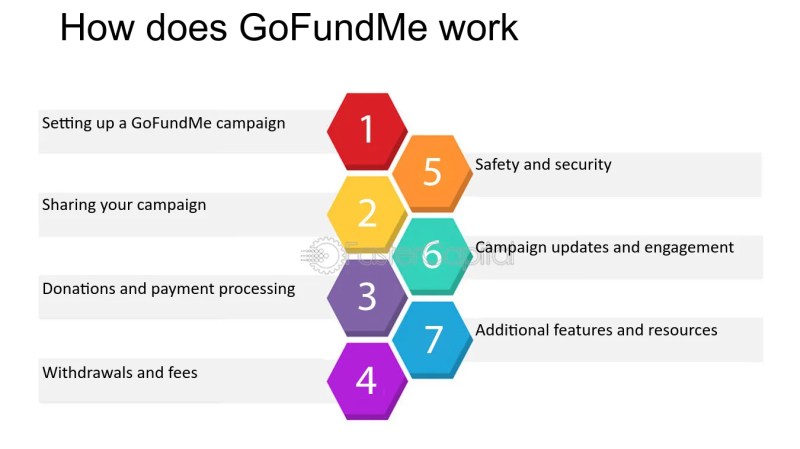
At its core, GoFundMe operates on a straightforward premise: creators set a fundraising goal, share their story, and solicit donations via a public or private link. Donors contribute via credit card, PayPal, or bank transfer, with GoFundMe taking a fee (ranging from 2.9% + $0.30 to 5.4% + $0.30, depending on the campaign type). The platform’s strength lies in its integration with social media—campaigns can be shared directly to Facebook, Twitter, or email, amplifying reach. However, the mechanics extend beyond donations. Creators must also manage updates, respond to comments, and comply with platform policies to avoid suspension.
The behind-the-scenes work involves more than just posting a request. GoFundMe’s algorithm favors campaigns with high initial engagement, so the first 48 hours are pivotal. Creators must optimize their campaign page with keywords, high-quality images, and a clear call-to-action. Additionally, the platform’s GoFundMe Charity program offers nonprofits additional tools, including tax-deductible donations. For individuals, the process is simpler but requires diligence. Missteps—such as failing to update donors or using misleading language—can trigger reviews or penalties. Mastering these mechanics is essential for anyone looking to navigate GoFundMe successfully.
Key Benefits and Crucial Impact
GoFundMe’s impact is undeniable. It has facilitated billions in donations, from grassroots initiatives to high-profile medical cases. The platform’s ability to connect donors directly with causes—without the overhead of traditional charities—has made it a lifeline for many. For creators, the benefits are immediate: access to a global audience, minimal upfront costs, and the flexibility to fundraise for virtually any purpose. However, these advantages come with responsibilities. Donors expect accountability, and the platform enforces strict rules to prevent misuse. The key to leveraging GoFundMe’s potential lies in balancing generosity with ethical rigor.
Beyond financial support, GoFundMe fosters community. Donors often become advocates, sharing campaigns within their networks and creating ripple effects. This organic growth is a testament to the platform’s power, but it also underscores the need for authenticity. A campaign that feels genuine—backed by real stories and tangible updates—will outperform one that relies on hype. The emotional connection is what drives donations, and navigating GoFundMe’s emotional landscape is as important as its technical aspects.
“Crowdfunding isn’t just about raising money; it’s about raising awareness.” — GoFundMe’s former Head of Philanthropy
Major Advantages
- Global Reach: Campaigns can be shared worldwide, tapping into international donor networks, especially for causes like medical emergencies or disaster relief.
- Low Barrier to Entry: No need for pre-existing donor lists or nonprofit status—individuals can launch campaigns instantly with minimal setup.
- Transparency Tools: Real-time progress tracking, donor comments, and update features build trust by keeping contributors informed.
- Diverse Use Cases: From personal crises to creative projects, GoFundMe accommodates nearly any legitimate fundraising goal.
- Social Integration: Seamless sharing via Facebook, Twitter, and email maximizes visibility without requiring technical expertise.

Comparative Analysis
| GoFundMe | Alternatives (e.g., Kickstarter, Indiegogo) |
|---|---|
|
|
|
|
Future Trends and Innovations
The future of crowdfunding lies in personalization and technology. GoFundMe is likely to integrate more AI-driven tools, such as automated campaign optimization and donor matching algorithms. Additionally, the rise of cryptocurrency donations could expand funding options, though regulatory hurdles remain. Another trend is the blending of crowdfunding with micro-investing, where donors receive equity or future rewards for contributions. For creators, staying ahead means adapting to these innovations while maintaining ethical standards. The platform’s ability to navigate evolving donor expectations will determine its long-term relevance.
Sustainability is also becoming a key factor. Donors increasingly prefer campaigns with measurable impact, such as those tied to environmental or social justice initiatives. GoFundMe may introduce features to highlight these causes, further aligning with global trends. For now, creators should focus on building long-term donor relationships through consistent updates and post-campaign transparency. The most successful campaigns of tomorrow will be those that treat donors as partners, not just funders.

Conclusion
Navigating GoFundMe effectively requires more than just posting a request—it demands strategy, empathy, and adaptability. The platform’s power lies in its ability to turn strangers into supporters, but this connection is fragile. A well-crafted campaign tells a story, engages donors, and delivers on promises. The alternatives may offer different perks, but none match GoFundMe’s blend of accessibility and emotional impact. As the digital fundraising landscape evolves, the principles remain: clarity, transparency, and authenticity.
Whether you’re fundraising for a medical bill, a creative dream, or a community project, the tools are at your fingertips. The challenge is to use them wisely. This guide has outlined the path—now it’s your turn to walk it. The next successful campaign on GoFundMe could be yours, if you navigate its intricacies with purpose.
Comprehensive FAQs
Q: How long does it take for GoFundMe to process donations?
A: Most donations are processed within 1-3 business days, though some may take up to 5 days, especially during peak periods. Recurring donations are typically faster. Always check your email for confirmation and updates.
Q: Can I run multiple GoFundMe campaigns at once?
A: No. GoFundMe’s policy prohibits multiple active campaigns for the same creator. Focus on one campaign at a time to maximize its potential. If you need to raise funds for multiple causes, consider merging them into a single campaign with clear sections.
Q: What happens if my campaign doesn’t meet its goal?
A: Unlike all-or-nothing platforms (e.g., Kickstarter), GoFundMe allows you to keep all funds raised, even if you don’t hit your target. However, partial success may limit your ability to promote the campaign further, as donors may assume it failed.
Q: Are there restrictions on what I can fundraise for?
A: Yes. GoFundMe prohibits campaigns for illegal activities, political campaigns, or fundraising on behalf of another person without permission. Medical, education, and personal emergency campaigns are permitted, but each is reviewed for compliance.
Q: How can I increase my campaign’s visibility?
A: Leverage social media, email newsletters, and local community groups. Use GoFundMe’s built-in sharing tools, and consider partnering with influencers or organizations aligned with your cause. Regular updates and multimedia content (videos, photos) also boost engagement.
Q: What fees does GoFundMe charge, and are they negotiable?
A: Fees vary: 2.9% + $0.30 for personal campaigns, up to 5.4% for business-related ones. Payment processing fees (via Stripe or PayPal) apply separately. Fees are non-negotiable, but choosing the right campaign type can minimize costs.
Q: Can donors remain anonymous?
A: Yes, donors can choose to remain anonymous during checkout. However, public campaigns may still show donor names if they opt to be listed. Always respect donor privacy and avoid pressuring them to disclose personal details.
Q: What’s the best time to launch a GoFundMe campaign?
A: Weekdays (Tuesday-Thursday) often see higher engagement, as donors are more active during work hours. Avoid holidays or weekends when attention spans are shorter. Test different launch times based on your audience’s habits.
Q: How do I handle donor questions or concerns?
A: Respond promptly and transparently. Use the campaign’s comment section or direct messages to address inquiries. If sensitive issues arise (e.g., fund misuse allegations), document responses and consider consulting GoFundMe’s support team.
Q: What’s the difference between a personal and business campaign?
A: Personal campaigns are for individual needs (e.g., medical bills), while business campaigns support for-profit ventures. Business campaigns incur higher fees (5.4%) and require additional verification. Choose the type that aligns with your goal to avoid policy violations.
Leave a Comment
Comments are moderated before appearing. The data you submit is processed according to the Privacy Policy of Neip.