The Gallbladder’s Hidden Role: What It Does and Why It Matters

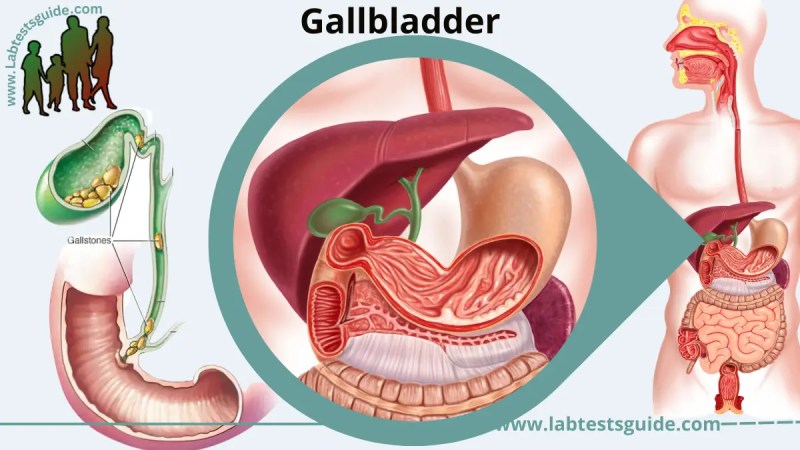
The gallbladder, a small yet indispensable organ tucked beneath the liver, performs a function so precise that its absence leaves a noticeable void in digestion. When fatty foods enter the stomach, this pea-shaped sac springs into action, releasing bile—a potent cocktail of digestive enzymes and cholesterol—to emulsify fats, breaking them down into absorbable particles. Without it, the digestive system struggles, leading to discomfort, nutrient deficiencies, and long-term health risks. Yet, despite its critical role, many remain unaware of what the gallbladder does and how its dysfunction can ripple through the body.
The consequences of gallbladder dysfunction are far-reaching. Gallstones, inflammation, or surgical removal (cholecystectomy) force the body to adapt, often resulting in bloating, indigestion, or even malnutrition if bile flow is severely disrupted. Studies show that up to 20% of adults may develop gallstones by age 75, making this organ’s health a silent epidemic. Understanding how the gallbladder works isn’t just academic—it’s a practical necessity for those experiencing unexplained digestive distress or recovering from gallbladder-related procedures.
What happens when this organ fails? The answer lies in its dual role: bile storage and regulated release. When the gallbladder malfunctions, bile—once a precise digestive tool—becomes a chaotic flood, overwhelming the intestines and leaving fats undigested. This disruption doesn’t just cause immediate discomfort; it can lead to vitamin deficiencies (A, D, E, K), weight loss, and even liver strain. The question isn’t just what the gallbladder does—it’s how its absence reshapes digestion entirely.
The Complete Overview of the Gallbladder’s Function
The gallbladder is often dismissed as a minor player in the digestive system, yet its contributions are foundational. Positioned beneath the liver, it acts as a reservoir for bile—a fluid produced continuously by the liver but only needed in bursts during digestion. When fatty foods trigger the release of cholecystokinin (CCK), a hormone from the small intestine, the gallbladder contracts, squirting bile into the duodenum. This process ensures fats are broken into microscopic droplets, vastly increasing their surface area for digestive enzymes to act upon. Without this step, lipids would pass through the gut undigested, leading to steatorrhea (fatty stools) and malabsorption.Beyond fat digestion, the gallbladder plays a subtler role in nutrient absorption. Bile acids, recycled through the enterohepatic circulation, help absorb fat-soluble vitamins and cholesterol. When the gallbladder is removed, patients must rely on the liver’s continuous (but less efficient) bile secretion, often requiring dietary adjustments to compensate. Research indicates that post-cholecystectomy patients may experience long-term changes in gut microbiota, further complicating digestion. Understanding the gallbladder’s purpose thus extends beyond its mechanical function—it’s about recognizing its ripple effects on metabolism and gut health.
Historical Background and Evolution
The gallbladder’s significance has been recognized for millennia, though its exact function remained mysterious until modern medicine. Ancient Egyptians, as early as 1600 BCE, documented gallstones in mummies, suggesting the condition has plagued humanity for centuries. Hippocrates, the father of Western medicine, described the organ’s anatomy but assumed it was non-essential, a belief that persisted until the 19th century. It wasn’t until 1882 that the first successful cholecystectomy was performed, proving the gallbladder could be removed without immediate fatal consequences—though patients often faced lifelong digestive challenges.The 20th century brought clarity to what the gallbladder does through scientific breakthroughs. The discovery of bile acids’ role in fat emulsification and the development of laparoscopic surgery revolutionized treatment for gallbladder disease. Today, over 600,000 cholecystectomies are performed annually in the U.S. alone, yet misconceptions persist about the organ’s dispensability. Historical records reveal that cultures worldwide—from Ayurvedic medicine to Traditional Chinese Medicine—acknowledged the gallbladder’s importance, often linking its health to emotional well-being (e.g., "gall" as a metaphor for bitterness). Modern science now confirms these ancient observations: gallbladder dysfunction isn’t just a digestive issue—it’s a systemic one.
Core Mechanisms: How It Works
The gallbladder’s operation is a finely tuned biochemical process. Bile, produced by the liver’s hepatocytes, is composed of bile salts, cholesterol, bilirubin, and phospholipids. This mixture is initially isotonic but becomes concentrated in the gallbladder, where water and electrolytes are reabsorbed, transforming it into a potent digestive fluid. The organ’s muscular walls contract in response to CCK, propelling bile through the cystic duct and into the common bile duct, which empties into the duodenum.Table of Contents
- The Complete Overview of the Gallbladder’s Function
- Historical Background and Evolution
- Core Mechanisms: How It Works
- Key Benefits and Crucial Impact
- Major Advantages
- Comparative Analysis
- Future Trends and Innovations
- Conclusion
- Comprehensive FAQs
- Q: Can you live without a gallbladder?
- Q: What foods trigger gallbladder attacks?
- Q: How do gallstones form?
- Q: Does gallbladder removal cause weight loss?
- Q: Can gallbladder issues cause back pain?
- Q: Are there natural ways to dissolve gallstones?
- Q: How does the gallbladder affect liver health?
- Q: What’s the recovery like after gallbladder surgery?
- Q: Can stress affect gallbladder function?
- Q: Are there symptoms I should never ignore?
The timing of this release is critical. Fats trigger CCK secretion within 30–60 minutes of eating, prompting the gallbladder to release bile in phases. This synchronized response ensures fats are digested efficiently, while excess bile is reabsorbed in the ileum and recycled. Disruptions—such as gallstones blocking the ducts or nerve damage—can halt this process, leading to bile reflux into the stomach or stagnation in the gallbladder. Understanding how the gallbladder functions highlights why its removal demands compensatory strategies, such as low-fat diets or bile acid supplements.
Key Benefits and Crucial Impact
The gallbladder’s role in digestion is often overshadowed by more visible organs like the stomach or intestines, yet its absence alters metabolism in profound ways. For those with a healthy gallbladder, the benefits include efficient fat breakdown, optimal vitamin absorption, and protection against harmful gut bacteria. Bile’s antimicrobial properties help maintain gut flora balance, while its emulsification action prevents lipid buildup in arteries. When the gallbladder fails, these protections erode, leading to a cascade of digestive and systemic issues.The organ’s impact extends beyond digestion. Chronic gallbladder inflammation (cholecystitis) can trigger referred pain to the shoulder, mimicking heart attacks and delaying diagnosis. Gallstones, if left untreated, may migrate to the bile ducts, causing obstructive jaundice or pancreatitis—a life-threatening condition. Even after removal, patients often report persistent symptoms like diarrhea or bloating, underscoring the gallbladder’s vital functions in maintaining digestive harmony.
"The gallbladder is the unsung hero of digestion—small in size but monumental in role. Its removal doesn’t just change how you eat; it redefines how your body processes every calorie." — Dr. Michael Greger, Physician & Author of How Not to Die
Major Advantages
- Fat Digestion Efficiency: The gallbladder’s concentrated bile ensures 95% of dietary fats are absorbed, preventing energy loss and nutrient deficiencies.
- Vitamin Solubilization: Without bile, fat-soluble vitamins (A, D, E, K) remain unabsorbed, risking deficiencies like night blindness or osteoporosis.
- Gut Microbiota Regulation: Bile acids shape gut bacteria composition, reducing pathogens and inflammation.
- Cholesterol Balance: The gallbladder helps excrete excess cholesterol, lowering the risk of atherosclerosis.
- Pain Prevention: Proper bile flow prevents reflux into the stomach, avoiding bile-induced gastritis or ulcers.
Comparative Analysis
| Healthy Gallbladder | Gallbladder Removal (Cholecystectomy) |
|---|---|
| Bile stored and released in precise bursts during meals. | Liver secretes bile continuously, leading to diluted, less effective digestion. |
| High fat absorption (90–95%). | Reduced absorption (70–80%), risking steatorrhea. |
| Protects against gallstones and bile stasis. | Increased risk of bile duct stones and diarrhea. |
| Supports liver detoxification via efficient bile flow. | Liver may compensate but faces increased workload. |
Future Trends and Innovations
Advances in regenerative medicine may soon offer alternatives to gallbladder removal. Stem cell research is exploring ways to engineer bile-producing cells, potentially restoring the organ’s function post-damage. Meanwhile, bioengineered gallbladders—grown from patient-derived tissues—could eliminate transplant waitlists for those with severe bile duct diseases. On the dietary front, personalized nutrition apps are emerging to help post-cholecystectomy patients optimize fat intake, using AI to predict individual tolerance levels.The future of gallbladder care also lies in early detection. Non-invasive imaging techniques, like contrast-enhanced ultrasound, are improving gallstone diagnosis, while microbiome analysis may reveal gut imbalances linked to gallbladder disease. As our understanding of the gallbladder’s role in metabolism deepens, treatments could shift from reactive surgery to preventive, bile-modulating therapies. The goal? To preserve this tiny organ’s powerhouse function for as long as possible.

Conclusion
The gallbladder’s influence on digestion is undeniable, yet its importance is frequently underestimated until problems arise. From emulsifying fats to recycling bile acids, its functions are the backbone of efficient nutrient absorption. When it fails, the body adapts—but not without consequences. For those navigating gallbladder disease or its removal, knowledge is power: recognizing what the gallbladder does empowers better dietary choices, symptom management, and long-term health strategies.The organ’s story is one of resilience and necessity. While modern medicine has made gallbladder removal safer, the body still bears the brunt of its absence. As research progresses, the hope is to move beyond treatment to prevention—ensuring this small but mighty organ continues to serve its critical purpose for generations to come.
Comprehensive FAQs
Q: Can you live without a gallbladder?
A: Yes, but with adjustments. The liver continues producing bile, though in a less concentrated form. Most people adapt by eating low-fat meals and taking bile acid supplements if needed. Severe cases may require vitamin B12 injections due to malabsorption.
Q: What foods trigger gallbladder attacks?
A: High-fat foods (fried foods, fatty meats, full-fat dairy), refined sugars, and rapid weight loss can provoke gallbladder contractions or stone formation. Small, frequent meals may reduce risk.
Q: How do gallstones form?
A: Gallstones develop from bile imbalances—too much cholesterol or bilirubin, or too few bile salts. Risk factors include obesity, rapid weight loss, diabetes, and estrogen dominance (e.g., pregnancy or hormone therapy).
Q: Does gallbladder removal cause weight loss?
A: Initially, some lose weight due to reduced fat absorption, but this is often temporary. Long-term, dietary changes (low-fat intake) may stabilize weight. Malabsorption can lead to unintended weight loss if unmanaged.
Q: Can gallbladder issues cause back pain?
A: Yes, referred pain from gallbladder inflammation (cholecystitis) can radiate to the right shoulder blade or upper back. This is distinct from lower back pain and often occurs after fatty meals.
Q: Are there natural ways to dissolve gallstones?
A: Some small cholesterol stones may dissolve with ursodeoxycholic acid (a bile acid supplement), but this is not a cure-all. Lifestyle changes (weight loss, low-fat diet) and hydration may help, but surgical removal is often necessary for large or symptomatic stones.
Q: How does the gallbladder affect liver health?
A: A dysfunctional gallbladder can lead to bile stasis, increasing liver strain as toxins accumulate. Chronic inflammation may contribute to fatty liver disease or cirrhosis over time.
Q: What’s the recovery like after gallbladder surgery?
A: Laparoscopic cholecystectomy allows same-day discharge, with full recovery in 1–2 weeks. Pain is managed with medications, and a low-fat diet is recommended for 4–6 weeks to avoid dumping bile into the intestines too quickly.
Q: Can stress affect gallbladder function?
A: Chronic stress may alter gut motility and bile flow, potentially worsening gallbladder dysfunction. Stress hormones like cortisol can also promote inflammation, increasing stone formation risk.
Q: Are there symptoms I should never ignore?
A: Seek immediate medical attention for severe abdominal pain radiating to the back, jaundice (yellow skin/eyes), fever, or persistent nausea/vomiting—these may indicate gallstone obstruction or pancreatitis.
Leave a Comment
Comments are moderated before appearing. The data you submit is processed according to the Privacy Policy of Neip.