How Algorithms Reshape the Evolution Modern Digital Content Discovery

The first time a user opens an app, their content journey begins with an empty feed. Within seconds, an invisible architecture of data points—clicks, dwell time, even cursor movements—starts shaping what they’ll see next. This is the silent revolution of evolution modern digital content discovery: a shift from passive browsing to hyper-personalized, predictive exposure. The mechanisms behind it are no longer just about keywords or chronological ordering; they’re about anticipating intent before it’s fully formed, leveraging real-time behavioral signals to curate experiences that feel eerily tailored.
What separates today’s content ecosystems from their predecessors isn’t just the volume of data collected, but the speed at which it’s processed. A decade ago, discovery relied on static rankings or manual playlists. Now, platforms like TikTok or Spotify adjust their recommendations per millisecond, using reinforcement learning to refine outputs based on micro-interactions. The result? A feedback loop where content doesn’t just reach audiences—it adapts to them in real time. This isn’t just optimization; it’s a fundamental redefinition of how information circulates in the digital age.
The paradox lies in visibility. While algorithms promise to surface the most relevant content, they also create echo chambers that deepen polarization. A user’s discovery path becomes a self-reinforcing loop: the more they engage with a niche interest, the narrower the algorithm’s focus. For creators and publishers, this means mastering not just content quality, but algorithm affinity—understanding how platforms prioritize signals like watch time, shares, or even the timing of engagement. The stakes are clear: thrive within the system’s logic, or risk fading into obscurity.
The Complete Overview of Evolution Modern Digital Content Discovery
The evolution modern digital content discovery represents a seismic shift from linear to non-linear consumption patterns. Traditional gatekeepers—editors, curators, or even search engines—have ceded ground to dynamic systems that prioritize engagement metrics over editorial judgment. This transition wasn’t inevitable; it was engineered through iterative refinements in machine learning, where platforms like YouTube or Netflix treat content as a product to be optimized, not just a resource to be accessed. The core innovation lies in predictive personalization: algorithms that don’t just reflect user preferences but anticipate them by analyzing patterns across millions of data points.What makes this evolution distinct is its dual nature: it’s both democratizing and monopolizing. On one hand, niche creators can bypass traditional barriers to reach hyper-targeted audiences. On the other, the same algorithms that amplify obscure voices can also bury high-quality content if it fails to trigger the right engagement signals. The balance between serendipity and algorithmic precision is the defining tension of this era. Platforms now employ multi-objective optimization, where recommendations are scored not just on relevance but on business metrics like ad revenue or user retention—factors that often conflict with pure editorial integrity.
Historical Background and Evolution
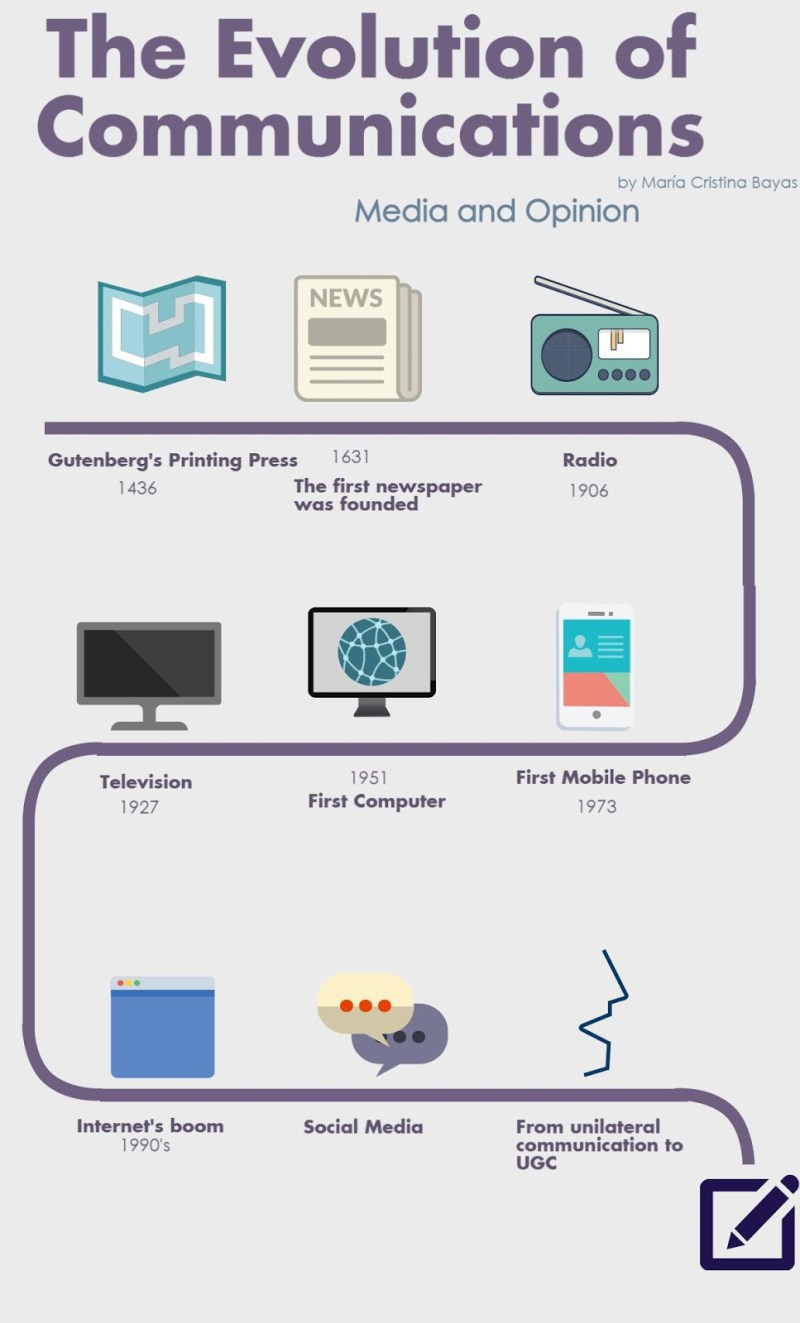
The origins of modern digital content discovery trace back to the early 2000s, when search engines like Google pioneered keyword-based relevance. However, the real inflection point came with the rise of social media, where chronological feeds gave way to collaborative filtering—systems that recommended content based on what similar users engaged with. Netflix’s 2006 recommendation engine, which used collaborative filtering to suggest movies, marked a turning point: for the first time, discovery was driven by behavioral data rather than static metadata.By the mid-2010s, the field advanced with deep learning and neural networks, enabling platforms to process unstructured data like video metadata, captions, or even audio cues. TikTok’s "For You Page" (FYP) became a case study in this evolution, using a two-layer attention model to predict not just what users like, but what they’ll linger on. The shift from collaborative filtering to self-supervised learning meant algorithms could generate recommendations without relying on explicit user ratings—just patterns of interaction. Today, the most sophisticated systems, like those powering Amazon’s product suggestions or LinkedIn’s content feeds, blend collaborative, content-based, and contextual signals to create discovery experiences that feel almost clairvoyant.
Core Mechanisms: How It Works
At its core, evolution modern digital content discovery operates on three pillars: data ingestion, model training, and real-time serving. Data ingestion involves collecting signals from user actions—clicks, scrolls, heart reactions, even the time spent on a page—while also incorporating contextual factors like device type, location, or time of day. This raw data is then fed into reinforcement learning models, which continuously adjust their outputs based on feedback loops. For example, if a user watches 80% of a video but skips the next one, the algorithm may infer that the first video’s pacing was optimal and replicate those cues in future recommendations.Table of Contents
- The Complete Overview of Evolution Modern Digital Content Discovery
- Historical Background and Evolution
- Core Mechanisms: How It Works
- Key Benefits and Crucial Impact
- Major Advantages
- Comparative Analysis
- Future Trends and Innovations
- Conclusion
- Comprehensive FAQs
- Q: How do algorithms decide what content to recommend?
- Q: Can small creators compete with algorithmic discovery?
- Q: Are algorithmic recommendations biased?
- Q: How can users control their content discovery?
- Q: What’s the biggest challenge for publishers in this ecosystem?
The real-time serving layer is where the magic happens. Platforms like YouTube use bandit algorithms to test multiple recommendation variants simultaneously, measuring which one maximizes engagement without over-exploiting a single user’s preferences. This dynamic balancing act ensures that discovery remains both personalized and diverse—though the definition of "diverse" is increasingly debated, as algorithms often default to amplifying content that triggers the strongest emotional responses, even if those are negative or polarizing.
Key Benefits and Crucial Impact
The evolution modern digital content discovery has redefined how audiences interact with media, but its impact extends beyond user experience. For creators, it’s a double-edged sword: while algorithms can catapult unknown voices to prominence overnight, they also create a long-tail economy where only the most algorithmically "optimized" content survives. Publishers face a similar challenge—balancing SEO best practices with the need to adapt to platforms’ ever-changing ranking signals. Meanwhile, advertisers have gained unprecedented precision in targeting, though at the cost of privacy concerns and regulatory scrutiny.The cultural implications are equally profound. Algorithms don’t just reflect societal trends; they shape them. The rise of viral challenges or niche subcultures can be traced directly to how discovery systems amplify certain types of content over others. As the media theorist Zeynep Tufekci noted:
"Algorithms are not neutral; they are designed to maximize engagement, not truth or diversity. The more we rely on them for discovery, the more we risk a world where our information diets are curated by metrics, not meaning."
Major Advantages
Despite its controversies, the evolution modern digital content discovery offers undeniable benefits:- Hyper-Personalization: Users receive content tailored to their interests with near-instantaneous precision, reducing friction in the discovery process.
- Democratization of Reach: Independent creators and small publishers can compete with established brands by leveraging algorithmic visibility.
- Data-Driven Optimization: Platforms continuously refine recommendations based on real-time feedback, improving user satisfaction and retention.
- Cross-Platform Synergy: Advanced systems like those used by Spotify or Amazon seamlessly integrate recommendations across devices and services.
- Serendipity Engineering: Even within personalized feeds, algorithms attempt to introduce "surprise" elements to prevent user fatigue.

Comparative Analysis
| Traditional Discovery (Pre-2010) | Modern Algorithmic Discovery (Post-2015) |
|---|---|
| Reliant on manual curation (editors, playlists, SEO) | Driven by real-time behavioral data and AI models |
| Linear, chronological feeds | Non-linear, engagement-based ranking |
| Limited personalization (e.g., saved searches) | Hyper-personalized, predictive recommendations |
| Gatekeepers controlled access (e.g., TV networks, print media) | Platforms act as both gatekeepers and distributors |
Future Trends and Innovations
The next frontier in evolution modern digital content discovery lies in multimodal AI, where algorithms integrate text, audio, and visual data to create richer recommendation contexts. Imagine a system that doesn’t just suggest a song based on lyrics but also analyzes the user’s recent conversations or even their mood (inferred from voice tone). Companies like Google and Meta are already experimenting with generative AI to create synthetic content recommendations—imagine an algorithm that doesn’t just point to existing videos but generates a personalized snippet based on a user’s search history.Another emerging trend is decentralized discovery, where blockchain-based platforms enable users to own and monetize their engagement data, potentially breaking the duopoly of tech giants. Meanwhile, ethical AI initiatives aim to introduce fairness constraints into recommendation algorithms, reducing bias and echo chambers. The challenge will be balancing innovation with transparency—ensuring users understand why they’re seeing certain content, not just what they’re seeing.
Conclusion
The evolution modern digital content discovery is more than a technological upgrade; it’s a reconfiguration of how society accesses information. It rewards those who understand its mechanics while posing existential questions about attention, authenticity, and algorithmic power. The systems in place today are still evolving, but one thing is clear: the future of discovery will belong to those who can navigate its complexities—whether as creators, platforms, or informed consumers.For now, the tension between personalization and diversity, engagement and quality, remains unresolved. But as algorithms grow more sophisticated, the real test will be whether they can serve as tools for connection—or merely engines of division.
Comprehensive FAQs
Q: How do algorithms decide what content to recommend?
The process involves multi-signal scoring, where platforms evaluate factors like watch time, click-through rates, user demographics, and even contextual signals (e.g., time of day). Advanced systems use reinforcement learning to adjust recommendations dynamically based on real-time feedback.
Q: Can small creators compete with algorithmic discovery?
Yes, but they must optimize for engagement signals—such as high watch retention, frequent interactions, or viral potential. Platforms like TikTok or Instagram prioritize creators who trigger strong emotional responses, even if their content is niche.
Q: Are algorithmic recommendations biased?
Studies show they often amplify confirmation bias by reinforcing existing preferences. However, some platforms are now implementing fairness constraints to mitigate over-representation of certain demographics or viewpoints.
Q: How can users control their content discovery?
Most platforms offer transparency tools, such as "Why am I seeing this?" explanations (e.g., YouTube’s "Info panels") or manual overrides (e.g., muting topics). Some experimental features, like browser extensions, allow users to filter algorithmic suggestions.
Q: What’s the biggest challenge for publishers in this ecosystem?
Adapting to platform-specific ranking signals without compromising editorial integrity. Publishers must balance SEO best practices with algorithmic trends, often requiring A/B testing and rapid content iteration.
Leave a Comment
Comments are moderated before appearing. The data you submit is processed according to the Privacy Policy of Neip.