How UnityPoint Clinic Family Medicine Services Redefine Local Healthcare Access
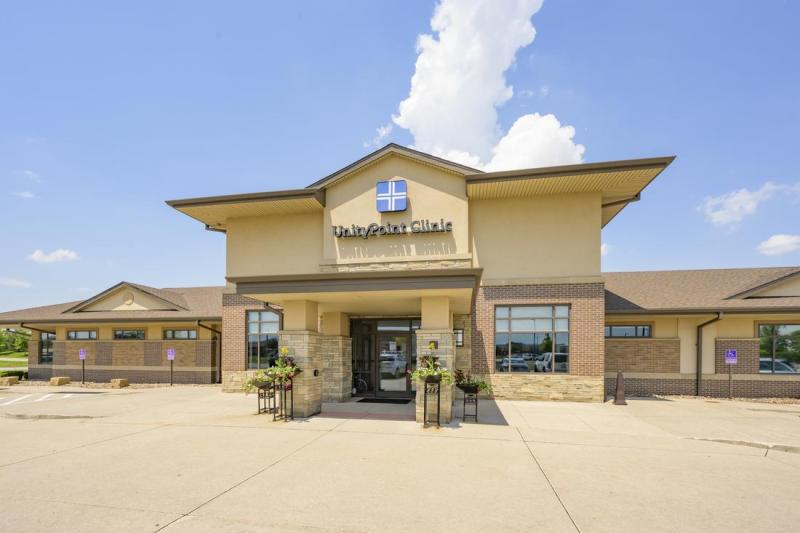
Family medicine remains the cornerstone of healthcare systems worldwide, bridging gaps between specialized care and everyday wellness. In regions where UnityPoint Clinic operates, their family medicine services stand out—not just as a provider of routine check-ups, but as a comprehensive hub for preventive care, chronic disease management, and community health education. Unlike fragmented healthcare models, UnityPoint Clinic’s approach integrates seamless coordination between primary care physicians, specialists, and support services, ensuring patients receive continuity of care tailored to their unique needs. This is particularly critical in underserved areas where access to consistent, high-quality healthcare can be a barrier.
The evolution of family medicine has shifted from reactive treatment to proactive wellness, and UnityPoint Clinic’s family medicine services embody this transformation. By leveraging technology, patient engagement tools, and evidence-based protocols, they address immediate health concerns while fostering long-term health literacy. For patients navigating complex healthcare systems, UnityPoint Clinic’s family medicine services offer clarity, reliability, and a partnership that extends beyond the examination room. The result? A healthcare experience that aligns with modern demands for convenience, personalization, and outcomes-driven care.
Yet, the true measure of these services lies in their adaptability. Whether through telehealth expansions, expanded hours for working families, or culturally competent care for diverse populations, UnityPoint Clinic’s family medicine services are designed to meet patients where they are—literally and figuratively. This isn’t just about treating illnesses; it’s about empowering individuals to take control of their health in a way that fits their lifestyle. For those seeking a family medicine provider that combines medical expertise with genuine community commitment, UnityPoint Clinic’s model sets a benchmark.
The Complete Overview of UnityPoint Clinic Family Medicine Services
UnityPoint Clinic’s family medicine services represent a deliberate fusion of clinical excellence and patient-centric design, tailored to address the holistic needs of individuals and families. At its core, this system prioritizes preventive care, early intervention, and chronic disease management, ensuring that patients receive not just treatment, but a roadmap to sustained well-being. The clinics are staffed by board-certified physicians, nurse practitioners, and physician assistants—all trained to handle a broad spectrum of medical concerns, from pediatric vaccinations to geriatric care. This breadth of expertise eliminates the need for unnecessary referrals, streamlining the patient journey while maintaining high standards of care.
The infrastructure supporting UnityPoint Clinic’s family medicine services is equally impressive. State-of-the-art diagnostic tools, electronic health records (EHR) for seamless data sharing, and integrated wellness programs create an ecosystem where continuity of care is non-negotiable. Patients benefit from personalized treatment plans that adapt to their evolving health needs, whether that involves managing diabetes through nutrition counseling or coordinating with specialists for complex conditions. The clinics also emphasize health education, offering resources on nutrition, mental health, and disease prevention—tools that extend the impact of each visit beyond the clinical setting.
Historical Background and Evolution
The origins of UnityPoint Clinic’s family medicine services trace back to the broader mission of UnityPoint Health, a nonprofit healthcare system that has been serving communities since 1995. Initially founded to improve access to healthcare in rural and underserved areas, the system recognized early on that family medicine was the linchpin for building trust and long-term relationships with patients. Over the decades, as healthcare demands grew more complex, UnityPoint Clinic’s family medicine services evolved to incorporate advanced technologies, expanded service lines, and a stronger emphasis on population health.
Table of Contents
- The Complete Overview of UnityPoint Clinic Family Medicine Services
- Historical Background and Evolution
- Core Mechanisms: How It Works
- Key Benefits and Crucial Impact
- Major Advantages
- Comparative Analysis
- Future Trends and Innovations
- Conclusion
- Comprehensive FAQs
- Q: How do I schedule an appointment with UnityPoint Clinic’s family medicine services?
- Q: Are UnityPoint Clinic’s family medicine services covered by most insurance plans?
- Q: What types of preventive care services are offered?
- Q: Can UnityPoint Clinic’s family medicine services coordinate with specialists?
- Q: Do UnityPoint Clinic’s family medicine services offer telehealth?
- Q: Are there any programs for seniors or pediatric patients?
- Q: How does UnityPoint Clinic address language barriers or cultural needs?
Key milestones include the adoption of patient-centered medical homes (PCMH) certification, which formalized the clinic’s commitment to coordinated care, and the integration of telehealth platforms during the COVID-19 pandemic—a move that not only preserved access during lockdowns but also demonstrated the scalability of virtual care. Today, UnityPoint Clinic’s family medicine services reflect a mature, adaptive model that balances tradition with innovation. The clinics continue to expand their reach through partnerships with local schools, workplaces, and community organizations, reinforcing their role as a trusted healthcare partner for all stages of life.
Core Mechanisms: How It Works
The operational backbone of UnityPoint Clinic’s family medicine services lies in its patient-centered approach, which begins with the first point of contact. Clinics utilize a combination of in-person visits and digital tools to assess needs, schedule appointments, and monitor progress. Electronic health records (EHR) ensure that every member of the care team—from primary care providers to specialists—has real-time access to a patient’s medical history, lab results, and treatment plans. This transparency reduces redundancy, minimizes errors, and fosters collaboration among providers.
Beyond the clinical workflow, UnityPoint Clinic’s family medicine services are designed to be responsive to the unique rhythms of modern life. Extended hours, weekend appointments, and on-site labs allow patients to fit care into their schedules without disruption. Additionally, the clinics leverage data analytics to identify trends in community health, enabling proactive interventions—such as vaccination drives or chronic disease screenings—that address emerging needs before they escalate. The result is a system that operates with both efficiency and empathy, ensuring that every patient feels heard, informed, and supported.
Key Benefits and Crucial Impact
For patients navigating the complexities of modern healthcare, UnityPoint Clinic’s family medicine services offer a rare combination of accessibility and quality. The clinics serve as a one-stop solution for routine care, acute illnesses, and preventive services, reducing the need for multiple providers and streamlining the patient experience. This is particularly valuable in communities where time and resources are limited, as it minimizes the logistical burden of managing health. Moreover, the emphasis on preventive care translates to long-term savings—both for patients and the healthcare system—by catching issues early and avoiding costly interventions.
The impact of these services extends beyond individual patients to the broader community. By fostering health literacy and providing education on chronic disease management, UnityPoint Clinic’s family medicine services contribute to a healthier, more informed population. The clinics also play a pivotal role in public health initiatives, such as flu shot campaigns or diabetes awareness programs, which strengthen community resilience against preventable health crises. For families, this means not just better health outcomes but also peace of mind knowing they have a reliable partner in their wellness journey.
"Family medicine isn’t just about treating symptoms—it’s about understanding the whole person and their environment. At UnityPoint Clinic, we don’t just ask what’s wrong; we ask how we can help you stay well."
—Dr. [Redacted], Medical Director, UnityPoint Clinic Family Medicine
Major Advantages
- Comprehensive Care Under One Roof: Patients receive primary care, minor procedures, and basic diagnostics without needing multiple appointments or referrals. This integration reduces wait times and ensures consistent oversight.
- Personalized Treatment Plans: Care is tailored to individual health histories, lifestyles, and goals, whether managing a chronic condition or optimizing wellness through nutrition and exercise.
- Seamless Specialist Coordination: UnityPoint Clinic’s family medicine services act as a gateway to specialists, ensuring smooth transitions and avoiding fragmented care.
- Community Health Focus: Clinics participate in local health initiatives, from school-based screenings to senior wellness programs, addressing disparities and promoting equity in healthcare access.
- Flexible Access Options: Telehealth, extended hours, and walk-in services accommodate diverse schedules, ensuring care is never out of reach.

Comparative Analysis
| UnityPoint Clinic Family Medicine Services | Traditional Family Medicine Clinics |
|---|---|
| Integrated EHR and telehealth for real-time coordination and remote consultations. | Often relies on paper records or disparate digital systems, leading to potential delays in information sharing. |
| Emphasis on preventive care with embedded health education and community outreach. | May focus more on reactive treatment with limited resources for proactive wellness. |
| Extended hours and on-site labs for convenience, reducing barriers to access. | Standard business hours may limit availability for working patients or those with mobility challenges. |
| Strong partnerships with local organizations to address social determinants of health (e.g., food insecurity, transportation). | Less likely to integrate community resources into care planning. |
Future Trends and Innovations
The next frontier for UnityPoint Clinic’s family medicine services lies in harnessing emerging technologies to deepen patient engagement and improve outcomes. Artificial intelligence (AI) is poised to play a significant role, from predictive analytics that identify high-risk patients before symptoms arise to AI-driven chatbots that provide 24/7 health guidance. Additionally, wearable health devices and remote monitoring tools will enable clinicians to track patients’ vitals in real time, allowing for early interventions in conditions like hypertension or diabetes. These innovations will not only enhance the efficiency of care but also empower patients to take a more active role in managing their health.
Beyond technology, the future of UnityPoint Clinic’s family medicine services will likely focus on expanding their reach into underserved populations through mobile health units and culturally tailored programs. Collaborations with employers, schools, and insurers will further embed these services into the fabric of community life, ensuring that healthcare is not just accessible but also aligned with the evolving needs of the population. As healthcare continues to prioritize value over volume, UnityPoint Clinic’s commitment to preventive, patient-centered care positions it as a leader in shaping the next generation of family medicine.

Conclusion
UnityPoint Clinic’s family medicine services exemplify what modern healthcare should aspire to: a blend of medical expertise, technological innovation, and genuine community partnership. By prioritizing preventive care, seamless coordination, and patient education, these clinics do more than treat illnesses—they cultivate healthier lives. For individuals and families seeking a healthcare provider that combines reliability with a personal touch, UnityPoint Clinic’s model offers a compelling alternative to the impersonal, fragmented systems that often characterize traditional healthcare. As the demand for accessible, high-quality primary care grows, UnityPoint Clinic’s approach serves as a blueprint for how family medicine can meet the challenges of today—and tomorrow.
The key takeaway is clear: in an era where healthcare access is increasingly uneven, UnityPoint Clinic’s family medicine services stand as a testament to what’s possible when clinical excellence is paired with a deep commitment to the communities they serve. For patients, this means not just better health outcomes but also the reassurance that their well-being is in capable, caring hands.
Comprehensive FAQs
Q: How do I schedule an appointment with UnityPoint Clinic’s family medicine services?
A: Appointments can be scheduled online via the UnityPoint Health patient portal, by calling the clinic directly, or through your primary care provider’s office. Walk-in services are also available for acute issues, though same-day appointments may require verification of insurance or medical necessity.
Q: Are UnityPoint Clinic’s family medicine services covered by most insurance plans?
A: UnityPoint Clinic accepts a wide range of insurance plans, including Medicare, Medicaid, and many private insurers. It’s recommended to verify coverage with your specific plan before scheduling non-emergency services, as copays or deductibles may apply. The clinic’s financial counselors can assist with insurance questions and payment options.
Q: What types of preventive care services are offered?
A: UnityPoint Clinic’s family medicine services provide comprehensive preventive care, including annual physicals, vaccinations (flu, HPV, shingles), cancer screenings (mammograms, colonoscopies), cholesterol and blood pressure checks, and diabetes management. They also offer health risk assessments and personalized wellness plans tailored to age and medical history.
Q: Can UnityPoint Clinic’s family medicine services coordinate with specialists?
A: Yes, the clinic acts as a central hub for care coordination. If a specialist referral is needed, your primary care provider will facilitate the process, including sharing medical records and ensuring continuity of treatment. UnityPoint’s integrated network often includes affiliated specialists, reducing referral delays.
Q: Do UnityPoint Clinic’s family medicine services offer telehealth?
A: Telehealth is a core component of UnityPoint Clinic’s services, offering virtual visits for routine check-ups, follow-ups, and minor acute concerns. Patients can access care via secure video calls or phone consultations, with the option to transition to in-person visits if needed. Telehealth is particularly useful for managing chronic conditions or for patients with limited mobility.
Q: Are there any programs for seniors or pediatric patients?
A: UnityPoint Clinic’s family medicine services include specialized programs for both seniors and children. For seniors, services may include fall prevention screenings, medication management, and chronic disease workshops. Pediatric care covers vaccinations, developmental screenings, and school physicals, with providers trained in child and adolescent health. Additional resources, such as nutrition counseling or mental health support, are also available.
Q: How does UnityPoint Clinic address language barriers or cultural needs?
A: The clinic employs multilingual staff and offers translation services to ensure all patients receive care in their preferred language. Culturally competent training is provided to all providers, and the clinic collaborates with community organizations to tailor services to diverse populations. Patients are encouraged to communicate their cultural or religious preferences to personalize their care plan.
Leave a Comment
Comments are moderated before appearing. The data you submit is processed according to the Privacy Policy of Neip.