How to Access and Understand Case Info Public Files Online

The internet has transformed how we interact with institutional transparency. Once confined to dusty courthouse archives or bureaucratic red tape, case info public files online now sit at the fingertips of researchers, journalists, and citizens alike. These digital repositories—spanning civil disputes, criminal proceedings, and administrative rulings—offer unprecedented access to judicial history. Yet navigating them requires more than a search bar; it demands an understanding of jurisdiction-specific databases, redaction policies, and the ethical boundaries of public disclosure.
Not all case info public files online are created equal. Some platforms, like PACER (the U.S. federal court system’s archive), charge per page, while state-level systems often provide free access with varying degrees of usability. The shift from paper to pixels has also introduced new challenges: outdated metadata, inconsistent formatting, and the occasional misfiled document. For professionals—whether lawyers, investigators, or data journalists—the ability to cross-reference these records across platforms can mean the difference between a breakthrough and a dead end.
The stakes are higher than ever. From whistleblower investigations to corporate litigation, the ability to retrieve public case files online has become a cornerstone of modern accountability. But the process isn’t just about downloading PDFs; it’s about contextualizing raw data within legal frameworks, understanding redaction rules, and recognizing when a file’s absence might be as revealing as its contents.
The Complete Overview of Public Case Files Online
Public case files online represent the digital evolution of traditional court records, where once-opaque judicial processes are now increasingly accessible through centralized databases. These repositories—ranging from federal archives like PACER to state-specific portals—serve as the backbone of legal transparency, allowing stakeholders to track proceedings, verify rulings, and uncover patterns in judicial outcomes. The transition from physical archives to digital platforms has democratized access, though it has also introduced complexities in navigation, cost structures, and data integrity.The scope of case info public files online extends beyond criminal cases to encompass civil litigation, administrative hearings, and even some appellate records. For example, a journalist investigating corporate fraud might cross-reference SEC filings with related district court dockets, while a family law attorney could compare state divorce decrees across multiple jurisdictions. The uniformity—or lack thereof—across these systems presents both opportunities and pitfalls. Some platforms, like the European Union’s e-Curia, offer multilingual access to case law, while others, such as the UK’s HM Courts & Tribunals Service, require registration for full functionality.
Historical Background and Evolution
The concept of public access to court records traces back to common law principles, where the idea of open justice was enshrined to prevent governmental secrecy. However, the physical limitations of paper-based systems often restricted access to those with time, resources, or proximity to courthouses. The digital revolution of the late 20th century began to dismantle these barriers. In the U.S., the Electronic Case Files (ECF) system, launched in the 1990s, allowed federal courts to transition from paper to digital filings, laying the groundwork for platforms like PACER in 2001.The evolution of public case files online has been uneven globally. Countries like Australia and Canada adopted early digital courtroom initiatives, while others lagged due to infrastructure or legislative resistance. The COVID-19 pandemic accelerated this shift, forcing courts worldwide to prioritize virtual accessibility. Today, even small claims cases in some U.S. states can be tracked online, though the quality and completeness of these records vary dramatically. For instance, while California’s court portal offers robust search tools, rural jurisdictions may still rely on manual record-keeping, creating a digital divide within legal transparency itself.
Core Mechanisms: How It Works
At its core, accessing case info public files online involves interacting with a database that indexes judicial documents by case number, party name, or legal topic. Most systems require a user to input search criteria—such as a defendant’s name or a docket number—before retrieving a list of associated filings. For example, on PACER, a user might search for "United States v. Smith" to pull up all motions, briefs, and judgments in a federal criminal case. However, the process isn’t always straightforward: some platforms mandate account creation, while others charge per document or impose usage limits.Table of Contents
- The Complete Overview of Public Case Files Online
- Historical Background and Evolution
- Core Mechanisms: How It Works
- Key Benefits and Crucial Impact
- Major Advantages
- Comparative Analysis
- Future Trends and Innovations
- Conclusion
- Comprehensive FAQs
- Q: Are all court cases available online?
- Q: How do I find a specific case file?
- Q: Why do some platforms charge for case files?
- Q: Can I download and share case files?
- Q: What if a case file is missing or incomplete?
- Q: Are international case files accessible online?
Behind the scenes, these systems rely on metadata tagging, optical character recognition (OCR) for scanned documents, and sometimes artificial intelligence to categorize filings. Redaction tools automatically black out sensitive information like social security numbers or trade secrets, though errors can occur—leading to either over-redaction (hiding relevant details) or under-redaction (exposing confidential data). The reliability of these mechanisms depends on the jurisdiction’s investment in technology and the consistency of court staff in adhering to digital filing protocols.
Key Benefits and Crucial Impact
The rise of public case files online has redefined transparency in the legal system, offering tools that were once exclusive to attorneys or government officials. For journalists, these archives serve as a goldmine for investigative reporting, enabling tracking of judicial bias, delays, or patterns in sentencing. Academics use them to study legal trends, while pro se litigants—self-represented individuals—can now research precedents without relying solely on legal counsel. The economic impact is equally significant: businesses use these records to assess risk in contracts or mergers, and nonprofits monitor compliance with regulations.Yet the benefits are not without trade-offs. The sheer volume of data can overwhelm users unfamiliar with legal terminology or database navigation. Additionally, the commercialization of some platforms—like PACER’s per-page fees—has sparked debates about whether justice should be accessible only to those who can afford it. Critics argue that paywalls undermine the principle of open justice, while proponents note that funding is necessary to maintain these systems.
> "Public records are the lifeblood of democracy, but they’re only useful if they’re accessible—and that means more than just putting them online. It means ensuring they’re searchable, affordable, and free from redaction errors that obscure the truth." — Rep. Jerry Nadler (D-NY), sponsor of the Freedom of Information Act (FOIA) Improvements Act*
Major Advantages
public case files online enables reporters to uncover systemic issues, such as judicial delays or discriminatory sentencing practices.

Comparative Analysis
| Platform | Key Features |
|---|---|
| PACER (U.S. Federal Courts) | Comprehensive federal case files; $0.10/page fee; requires registration. Best for criminal/civil federal cases. |
| State Court Portals (e.g., California Courts, NY Courts) | Free or low-cost access to state-level records; varies by jurisdiction in usability and completeness. |
| e-Curia (European Union) | Multilingual access to EU case law; free for EU citizens; limited to certain court types. |
| Westlaw/LexisNexis | Paid subscription services with advanced search tools; includes case law, statutes, and secondary sources. |
Future Trends and Innovations
The next decade of public case files online will likely be shaped by advancements in artificial intelligence and blockchain technology. AI-powered tools could automate the redaction process, reducing errors while improving speed, and natural language processing (NLP) might enable users to ask questions like, "Show me all cases involving environmental violations in Texas since 2020." Meanwhile, blockchain-based systems could enhance data integrity by creating tamper-proof records, though concerns about privacy and decentralization remain.Another frontier is the integration of
case info public files online with other data sources, such as property records or corporate filings. Imagine a platform that cross-references a bankruptcy case with the defendant’s tax records or social media activity—while raising ethical questions about surveillance and consent. Governments may also explore "open justice" mandates, requiring courts to publish real-time transcripts or audio recordings of proceedings, further blurring the line between public and private judicial spaces.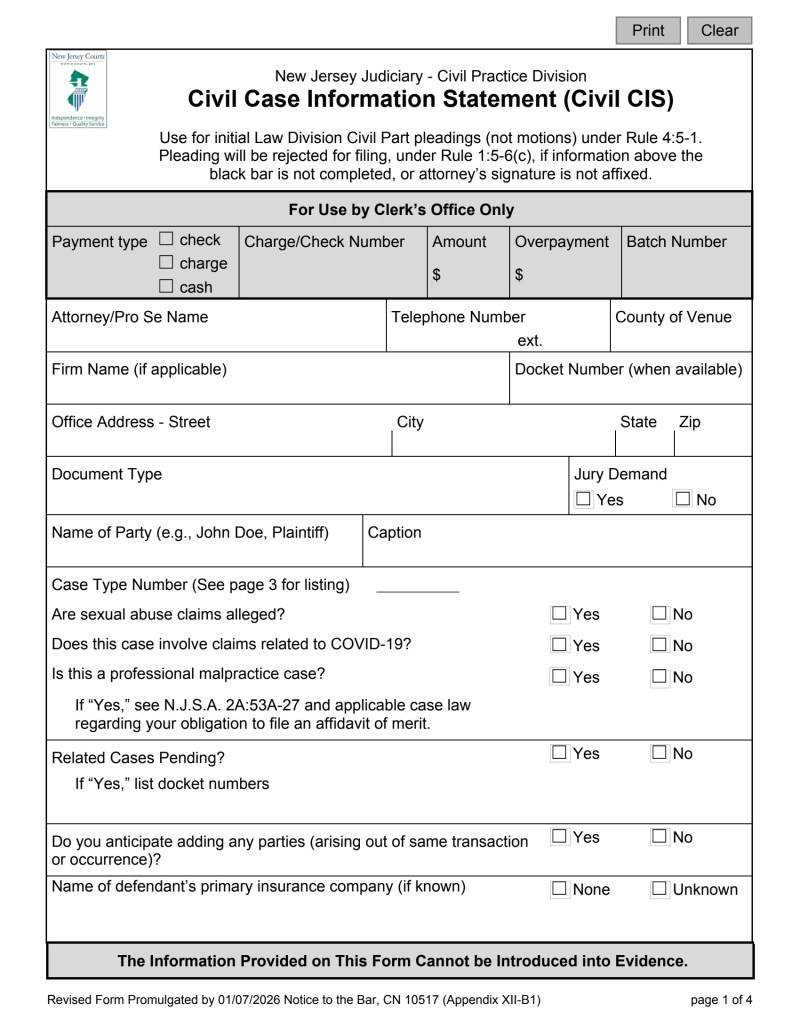
Conclusion
The accessibility of public case files online marks a pivotal shift in how society engages with the legal system. While challenges remain—from cost barriers to technical limitations—the potential for greater transparency and accountability is undeniable. For professionals, the ability to navigate these resources efficiently is no longer optional but a necessity. As technology evolves, so too must our understanding of how to ethically and effectively leverage these tools to serve justice, not just observe it.The future of
case info public files online** hinges on balancing innovation with safeguards. Will these systems remain siloed and expensive, or will they evolve into truly open, interconnected platforms? The answer lies in advocacy, technological investment, and a commitment to ensuring that transparency doesn’t just exist on paper—but in practice.Comprehensive FAQs
Q: Are all court cases available online?
A: No. While many jurisdictions digitize records, some cases—particularly those involving national security, juvenile matters, or sealed orders—remain restricted. Additionally, older cases or those from jurisdictions with limited resources may not be fully online.
Q: How do I find a specific case file?
A: Start with the court’s official portal (e.g., PACER for federal cases). Use the case number, party names, or docket number. If the case is sealed, you may need a court order or attorney assistance to access it.
Q: Why do some platforms charge for case files?
A: Fees (like PACER’s $0.10/page) often fund the maintenance of digital court systems. Free alternatives exist, such as state court portals, but they may lack the depth or uniformity of paid services.
Q: Can I download and share case files?
A: Generally yes, but with caveats. Most platforms allow personal use, but commercial redistribution or repurposing (e.g., selling scraped data) may violate terms of service. Always check the platform’s usage policy.
Q: What if a case file is missing or incomplete?
A: Incomplete records can result from scanning errors, manual entry mistakes, or intentional redactions. Contact the court clerk’s office or file a public records request for missing documents. Some states offer "paper trails" for digital gaps.
Q: Are international case files accessible online?
A: Access varies by country. The EU’s e-Curia provides some cross-border access, while others (e.g., China’s courts) restrict foreign queries. For non-U.S. cases, consult the country’s judicial portal or use legal databases like HeinOnline for historical records.
Leave a Comment
Comments are moderated before appearing. The data you submit is processed according to the Privacy Policy of Neip.