Chasing Elegance: The Art of Luxury Hunting in Alabama’s Warm Southern Hospitality

Alabama’s rolling hills and dense forests are not just a backdrop for traditional hunting—they are the stage for an elevated, meticulously curated experience where luxury hunting meets Southern hospitality. Unlike the mass-market hunts of other regions, Alabama’s elite offerings blend old-world charm with modern sophistication, catering to discerning hunters who demand both prestige and authenticity. Here, a well-trodden path isn’t just a trail; it’s a journey through private preserves where every detail—from the handcrafted whiskey poured at dusk to the gourmet meals prepared by local chefs—is designed to elevate the pursuit.
The state’s reputation for luxury hunting in Alabama isn’t accidental. It’s the result of generations of land stewardship, where families like the Huntsville-based Land Between the Lakes stewards and the Mobile-based Bon Secour Wildlife Refuge managers have perfected the art of balancing conservation with exclusivity. These aren’t the crowded, commercialized hunts of the Midwest or the high-stakes auctions of Africa. Instead, they’re intimate, invitation-only affairs where the focus remains on the craft: tracking, patience, and the quiet thrill of the kill—followed by the unmatched warmth of a host who treats guests like family.
What sets Alabama apart is its ability to merge two seemingly disparate worlds. The Southern hospitality that defines the state—slow mornings over biscuits, handshakes that feel like handshakes from a bygone era, and a genuine pride in sharing traditions—collides with the precision and opulence of modern luxury. Whether it’s a guided quail hunt on a 10,000-acre plantation or a black bear expedition in the Appalachian foothills, every element is orchestrated to ensure the experience is as memorable as the trophy. This is where the hunt becomes a lifestyle, and the land becomes a living legacy.
The Complete Overview of Luxury Hunting in Alabama
The concept of luxury hunting in Alabama is rooted in a philosophy that prioritizes exclusivity, sustainability, and an almost ritualistic attention to detail. Unlike commercial operations that prioritize volume, Alabama’s elite providers—ranging from historic estates to boutique outfitters—curate every aspect of the hunt, from the selection of guides (often third- or fourth-generation hunters) to the post-hunt celebrations that often feature live bluegrass and locally sourced ingredients. The goal isn’t just to harvest game; it’s to create an experience that feels like a lost tradition rediscovered.
This isn’t hunting as a sport; it’s hunting as an art form. The best Southern hospitality Alabama offers is found in places like the Cahaba River National Wildlife Refuge, where guided waterfowl hunts are paired with stays at boutique lodges that double as antebellum-era manors. Or in the William B. Bankhead National Forest, where turkey and deer hunts are framed by sunrise rides on private horseback trails, followed by gourmet picnics prepared by Michelin-trained chefs. The key differentiator? The absence of pretension. Here, luxury isn’t about flashy logos or overpriced frills; it’s about authenticity, craftsmanship, and the kind of service that makes guests feel like honored guests rather than clients.
Historical Background and Evolution
The origins of luxury hunting in Alabama can be traced back to the 19th century, when wealthy planters and European aristocrats sought refuge in the state’s untamed wilderness. The tradition was solidified during the early 20th century, when figures like J. D. Williams, a pioneer in Alabama’s conservation movement, began advocating for sustainable hunting practices on private lands. These early efforts laid the groundwork for what would become a hallmark of Alabama’s elite outdoor culture: the fusion of old-world hunting ethics with modern luxury.
Table of Contents
- The Complete Overview of Luxury Hunting in Alabama
- Historical Background and Evolution
- Core Mechanisms: How It Works
- Key Benefits and Crucial Impact
- Major Advantages
- Comparative Analysis
- Future Trends and Innovations
- Conclusion
- Comprehensive FAQs
- Q: What makes Alabama’s luxury hunting different from other states?
- Q: Are there age restrictions for luxury hunts in Alabama?
- Q: Can non-hunters participate in the experience?
- Q: What is the best time of year for a luxury hunt in Alabama?
- Q: How do I secure a spot on an exclusive hunt?
- Q: Are there eco-friendly or sustainable hunting options?
By the mid-20th century, Alabama’s hunting scene had evolved into a sophisticated network of private clubs and family-owned preserves. The Alabama Wildlife Federation played a pivotal role in regulating access while ensuring that hunts remained exclusive. Today, the state’s most coveted hunting grounds—such as the Joe Wheeler State Park and the DeSoto State Park—are managed with a balance of conservation and high-end access. The result? A hunting culture that respects the land while delivering an experience that rivals the most exclusive destinations in the world.
Core Mechanisms: How It Works
The logistics behind luxury hunting in Alabama are deceptively simple. Unlike mass-market hunts, where participants are often herded into groups, Alabama’s elite providers operate on a one-on-one or small-group basis. A typical hunt begins with a consultation, where clients discuss their preferences—whether it’s a specific species, seasonal timing, or even dietary restrictions for post-hunt meals. The best outfitters, such as Alabama Outdoorsmen or Southern Hunting Company, then assign a guide who has spent decades mastering the local terrain.
The actual hunt is a study in precision. Guides use a mix of traditional tracking methods and modern technology (such as thermal imaging for nocturnal hunts) to ensure success. What distinguishes Alabama’s approach, however, is the emphasis on Southern hospitality throughout the process. Meals are prepared by local chefs using farm-fresh ingredients, and accommodations range from rustic cabins with gourmet kitchens to historic plantations with butler service. The goal isn’t just to bag a trophy; it’s to immerse the hunter in a way of life that feels timeless.
Key Benefits and Crucial Impact
For those who seek more than a weekend in the woods, luxury hunting in Alabama offers a rare combination of prestige and authenticity. The benefits extend beyond the trophy: participants leave with a deeper understanding of conservation, a network of like-minded enthusiasts, and stories that transcend the ordinary. The state’s hunting culture is built on a legacy of stewardship, where every hunt contributes to habitat preservation and local economies. This isn’t just recreation; it’s a commitment to preserving a way of life.
The impact of this philosophy is evident in the testimonials from repeat clients, who often return year after year not for the hunt itself, but for the experience. One hunter, a European aristocrat who has participated in Alabama’s quail hunts for over a decade, described it as “the last true hunting tradition in the modern world.” The secret? The absence of commercialization. Here, the focus remains on the land, the craft, and the unspoken bond between host and guest.
“Alabama doesn’t just offer a hunt; it offers a legacy. The hospitality here isn’t performative—it’s earned, generation after generation.”
— Thomas Whitaker, Owner of Whitaker’s Plantation Hunts
Major Advantages
- Exclusivity Without Exploitation: Unlike commercial hunts, Alabama’s elite providers limit access to ensure quality over quantity, often requiring referrals or multi-year commitments.
- Authentic Southern Hospitality: Guests are treated as family, with handcrafted details like personalized welcome baskets and post-hunt celebrations featuring live music and local crafts.
- Sustainable Practices: All top outfitters adhere to strict conservation guidelines, often partnering with wildlife agencies to maintain healthy populations.
- Culinary Excellence: Post-hunt meals are prepared by local chefs using game from the hunt, paired with Alabama’s finest wines and whiskeys.
- Legacy Building: Many hunts include historical tours of the land, connecting guests to Alabama’s deep-rooted hunting traditions.
Comparative Analysis
| Aspect | Luxury Hunting in Alabama | Commercial Hunts (e.g., Midwest) |
|---|---|---|
| Access Level | Invitation-only, often multi-year commitments | Open to the public, first-come-first-served |
| Guide Expertise | Third/fourth-generation hunters with deep local knowledge | Seasonal guides, often with limited tenure |
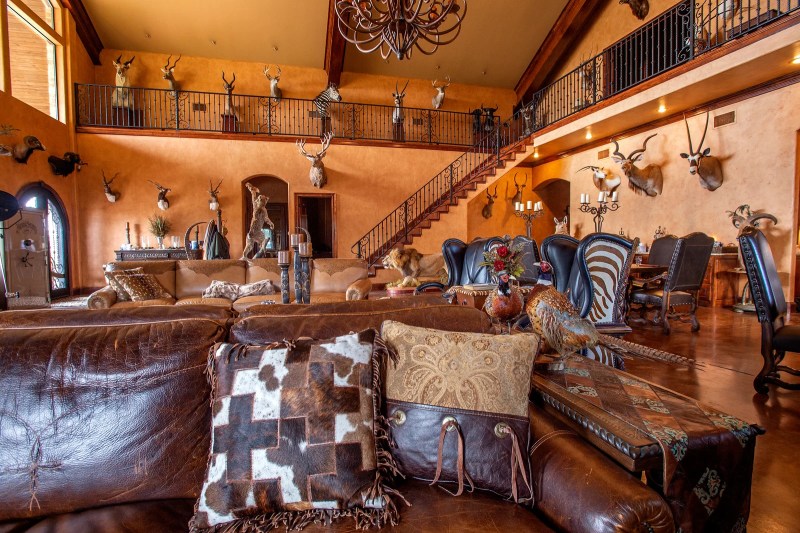
| Accommodations | Private estates, historic plantations, boutique lodges | Basic cabins or campgrounds |
| Post-Hunt Experience | Gourmet meals, live entertainment, conservation discussions | Minimal follow-up, often self-catered |
Future Trends and Innovations
The future of luxury hunting in Alabama is poised to blend tradition with innovation. As younger generations rediscover the appeal of outdoor traditions, outfitters are integrating technology—such as AI-driven wildlife tracking—to enhance hunts without compromising authenticity. However, the core philosophy remains unchanged: the hunt must feel timeless. Expect to see more partnerships with local farms for hyper-local, sustainable ingredients, as well as expanded offerings in ethically sourced trophy hunts (e.g., wild boar in the Wiregrass region).
Another emerging trend is the rise of “experience-based” hunts, where guests can combine their pursuit with other Alabama luxuries, such as private yacht charters on the Gulf Coast or stays at AAA-five-star plantations. The goal? To redefine Southern hospitality Alabama as a year-round lifestyle, where every season offers a new way to engage with the land. For now, though, the focus remains on preserving the essence: a hunt that feels like coming home.

Conclusion
Luxury hunting in Alabama isn’t just about the chase—it’s about the culture that surrounds it. In a world where mass tourism has diluted the meaning of hospitality, Alabama stands as a testament to what happens when tradition meets excellence. The state’s elite hunters don’t just seek trophies; they seek connection—with the land, with history, and with the people who have spent lifetimes perfecting the art of the hunt. For those who understand that true luxury lies in authenticity, Alabama offers an experience that is as rare as it is unforgettable.
The next generation of hunters will find that the allure of luxury hunting in Alabama isn’t fading—it’s evolving. As long as there are those willing to preserve the old ways while embracing the new, the state’s forests will continue to whisper stories of a time when hospitality wasn’t just a word, but a way of life.
Comprehensive FAQs
Q: What makes Alabama’s luxury hunting different from other states?
A: Alabama’s approach combines exclusivity, deep-rooted Southern hospitality, and a focus on conservation. Unlike commercial hunts, Alabama’s elite providers offer personalized experiences, historic accommodations, and a strong emphasis on land stewardship—all while maintaining an intimate, family-like atmosphere.
Q: Are there age restrictions for luxury hunts in Alabama?
A: Most high-end outfitters require participants to be at least 18 years old, though some family-friendly hunts (like quail shoots) may allow younger guests under supervision. Ethical considerations and safety protocols are strictly enforced.
Q: Can non-hunters participate in the experience?
A: Absolutely. Many luxury providers offer non-hunting add-ons, such as guided nature tours, gourmet dining experiences, and even historical estate visits. The focus is on creating a well-rounded Southern hospitality experience.
Q: What is the best time of year for a luxury hunt in Alabama?
A: Alabama’s seasons cater to different pursuits: spring for turkey, fall for deer and quail, and winter for waterfowl. The most popular period is late September through November, when the weather is mild and game is abundant.
Q: How do I secure a spot on an exclusive hunt?
A: Due to limited availability, most top-tier hunts require referrals, multi-year commitments, or direct inquiries through reputable outfitters. Building a relationship with a guide or attending a pre-hunt social event can also improve chances of securing a spot.
Q: Are there eco-friendly or sustainable hunting options?
A: Yes. Many Alabama outfitters partner with conservation groups to ensure hunts contribute to habitat preservation. Look for providers that offer “ethical trophy” hunts or those certified by organizations like the Quality Deer Management Association (QDMA).
Leave a Comment
Comments are moderated before appearing. The data you submit is processed according to the Privacy Policy of Neip.