Decoding Miami-Dade County Docket: A Strategic Guide to Navigating Its Complexities

Miami-Dade County’s judicial system is a labyrinth of deadlines, procedures, and bureaucratic hurdles that can overwhelm even seasoned professionals. Whether you’re a litigator preparing for a high-stakes trial, a property owner contesting a zoning violation, or a journalist tracking public records, understanding how to navigate Miami-Dade County docket systems is non-negotiable. The county’s courts—spanning civil, criminal, family, and administrative divisions—operate under a framework that demands precision. A single misstep in filing, scheduling, or compliance can derail cases, delay resolutions, or even result in sanctions. The stakes are higher here than in many jurisdictions, given Miami’s role as a global hub for commerce, real estate, and international disputes.
The challenge lies not just in the volume of cases but in the county’s hybrid digital-physical workflows. While the Miami-Dade County Clerk’s Office has modernized its docket tracking with online portals, the transition hasn’t eliminated inefficiencies. Paper filings still linger in certain divisions, and the sheer scale of the county’s caseload—one of the busiest in Florida—means delays are inevitable without proactive management. For outsiders, the terminology alone can be daunting: "docket numbers," "case types," "judicial districts," and "electronic filing deadlines" form a lexicon that requires mastery to avoid costly mistakes.
What separates successful navigation of Miami-Dade’s docket from frustration is preparation. The county’s system rewards those who anticipate procedural quirks, leverage technology, and build relationships with court staff. A misfiled motion, an overlooked deadline, or an inability to locate a case in the Miami-Dade County docket database can turn a straightforward matter into a protracted battle. This guide cuts through the noise, offering a structured approach to demystify the process—from accessing case information to resolving disputes efficiently.
The Complete Overview of Navigating Miami-Dade County Docket
Miami-Dade County’s docket system is a reflection of its dual identity: a modern metropolis with deep-rooted institutional processes. At its core, the system is designed to manage the flow of cases through the judicial pipeline, ensuring fairness while accommodating the county’s unique challenges—think high-profile criminal cases, complex commercial litigation, and a booming real estate market driving property disputes. The Miami-Dade County Clerk’s Office serves as the central hub, maintaining records for all divisions, including Circuit Court, County Court, and Administrative Hearings. However, the system’s complexity arises from its decentralized nature; each judicial district (from Homestead to Key Biscayne) operates with slight variations in procedures, and some divisions, like Family Court, have specialized rules that deviate from standard practices.The digital transformation of Miami-Dade’s docket has been incremental but impactful. The E-Filing Portal, launched to streamline submissions, now handles the majority of civil and criminal filings, though paper filings remain mandatory for certain documents or in emergencies. The portal’s integration with the Miami-Dade County docket database allows real-time tracking of case statuses, but users must navigate a learning curve to avoid common pitfalls—such as incorrect case type selection or failing to pay the required e-filing fees. Additionally, the county’s adoption of Case Management Orders (CMOs) in civil cases adds another layer of complexity, as these orders dictate timelines for discovery, motions, and trials, often with penalties for non-compliance. For those unfamiliar with the system, the risk of misinterpretation is high, making proactive education a necessity.
Historical Background and Evolution
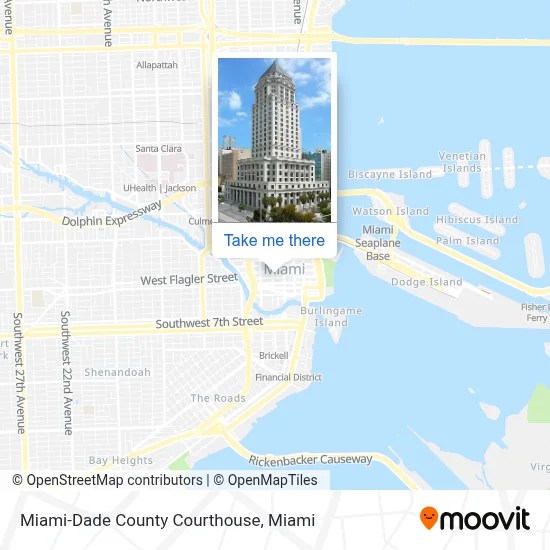
The origins of Miami-Dade County’s docket system trace back to the early 20th century, when the county’s population explosion demanded a more structured judicial approach. Before the 1960s, legal proceedings were handled in a fragmented manner, with cases often transferred between jurisdictions or delayed due to lack of infrastructure. The construction of the Dade County Courthouse in the 1970s marked a turning point, centralizing operations and introducing standardized docketing procedures. However, it wasn’t until the 1990s that the county began digitizing records, a move spurred by the federal government’s push for electronic court filings under the Judicial Improvement Act.The turn of the millennium brought significant changes, including the launch of the Miami-Dade County Clerk’s E-Filing System in 2010, which aimed to reduce paperwork and improve case management. This shift mirrored broader trends in Florida’s judicial system, where counties like Broward and Palm Beach had already adopted similar technologies. Yet, Miami-Dade’s implementation faced resistance from some legal practitioners who feared the transition would introduce errors or create accessibility barriers. Over time, however, the system proved its worth, particularly during the COVID-19 pandemic, when remote access to dockets became critical. Today, the Miami-Dade County docket is a hybrid model—balancing digital efficiency with the necessity of in-person appearances for certain proceedings.
Core Mechanisms: How It Works
The Miami-Dade County docket operates on a case-type-specific workflow, with each division (Civil, Criminal, Family, Probate) adhering to its own set of rules. At the highest level, the process begins with the filing of a Petition, Complaint, or Charging Document, which triggers the assignment of a docket number—a unique identifier that tracks the case through its lifecycle. This number is critical, as it’s used for all subsequent filings, communications with the court, and status checks. The Clerk’s Office then schedules initial hearings, such as pretrial conferences or motions hearings, based on the division’s caseload and judicial availability.Table of Contents
- The Complete Overview of Navigating Miami-Dade County Docket
- Historical Background and Evolution
- Core Mechanisms: How It Works
- Key Benefits and Crucial Impact
- Major Advantages
- Comparative Analysis
- Future Trends and Innovations
- Conclusion
- Comprehensive FAQs
- Q: How do I find a specific case in the Miami-Dade County docket?
- Q: What are the deadlines for filing motions in Miami-Dade County?
- Q: Can I file documents electronically in all Miami-Dade County divisions?
- Q: How do I request public records related to a Miami-Dade County docket?
- Q: What happens if I miss a deadline in a Miami-Dade County case?
- Q: Are there any free resources for learning about Miami-Dade County docket procedures?
One of the system’s most critical components is the Case Management Order (CMO), a court-issued roadmap that outlines deadlines for discovery, motions, and trials. Civil cases, for instance, often follow a Track System (Track I for simple cases, Track II for complex litigation), which dictates the pace of proceedings. Failure to comply with a CMO can result in sanctions, including dismissal or default judgments. Meanwhile, criminal dockets are governed by the Florida Rules of Criminal Procedure, with additional local rules from the Eleventh Judicial Circuit. For example, misdemeanor cases may proceed through Arraignment, Pretrial, and Trial phases within weeks, while felonies can stretch for years. Understanding these timelines is essential for anyone navigating Miami-Dade County docket systems, as missed deadlines can have irreversible consequences.
Key Benefits and Crucial Impact
The Miami-Dade County docket system is not merely a bureaucratic necessity—it’s a tool designed to ensure efficiency, transparency, and fairness in a high-volume judicial environment. For attorneys, businesses, and individuals alike, mastering the docket means gaining a competitive edge in litigation, property disputes, or administrative hearings. The ability to track cases in real time, file documents electronically, and receive automated notifications for deadlines reduces the risk of procedural errors and accelerates resolutions. In a county where real estate transactions often hinge on court approvals and criminal cases can impact public safety, the docket’s role in maintaining order is indispensable.Yet, the system’s benefits extend beyond legal professionals. Journalists covering court proceedings, researchers analyzing judicial trends, and citizens monitoring government actions all rely on the Miami-Dade County docket for accurate, up-to-date information. The transparency afforded by digital records has democratized access to legal processes, though it also demands a higher level of literacy among users. For example, a property owner contesting a zoning violation can now monitor their case’s progress online, whereas a decade ago they might have had to visit the courthouse in person. Similarly, journalists can cross-reference dockets with public records to uncover patterns in judicial decisions, holding institutions accountable.
"The Miami-Dade County docket is more than a case management tool—it’s the backbone of a functioning judicial system in one of the most dynamic regions in the country. Its evolution reflects not just technological progress but a commitment to adapting to the needs of a diverse and fast-moving community." — Hon. Steven Leifman, Former Chief Judge, Eleventh Judicial Circuit
Major Advantages
- Real-Time Case Tracking: The Miami-Dade County docket database allows users to monitor case statuses, upcoming hearings, and filed documents 24/7, eliminating the need for in-person visits unless absolutely necessary.
- Electronic Filing Efficiency: The E-Filing Portal reduces paperwork, minimizes human error in manual filings, and ensures documents are time-stamped and distributed to all parties immediately.
- Standardized Procedures: Case Management Orders (CMOs) provide clear deadlines and milestones, reducing ambiguity and ensuring all parties adhere to the same rules.
- Accessibility for All Users: From attorneys to pro se litigants, the system offers multiple access points, including online portals, phone inquiries, and in-person assistance at the Clerk’s Office.
- Integration with Public Records: Docket information is often linked to broader public records, enabling journalists, researchers, and citizens to conduct thorough investigations with verified data.

Comparative Analysis
| Miami-Dade County Docket | Other Florida Counties (e.g., Broward, Palm Beach) |
|---|---|
|
|
| Weakness: Complexity can overwhelm new users; some divisions still require paper filings. | Weakness: Smaller counties may lack resources for advanced case management tools. |
| Strength: Robust integration with Miami’s legal and business ecosystem. | Strength: Simpler navigation for users unfamiliar with Florida’s judicial system. |
Future Trends and Innovations
As Miami-Dade County continues to grow, so too will the demands on its docket system. One of the most significant trends is the expansion of artificial intelligence (AI) in case management, with pilot programs already testing AI-driven predictive analytics to identify potential delays or bottlenecks. For example, the Clerk’s Office could use AI to flag cases at risk of missing deadlines or suggest optimal scheduling based on judicial availability. Additionally, blockchain technology is being explored to enhance the security and immutability of court records, reducing the risk of tampering or loss of critical documents.Another key innovation is the increased use of virtual hearings, a model that gained traction during the pandemic and is now being institutionalized. While in-person appearances remain standard for certain proceedings, hybrid courtrooms—equipped with high-definition video conferencing—are becoming more common. This shift not only improves accessibility for remote participants but also aligns with the county’s sustainability goals by reducing the need for physical courtroom space. For those navigating Miami-Dade County docket systems in the future, adaptability will be key, as the county continues to refine its digital infrastructure while balancing the need for human oversight in judicial proceedings.
Conclusion
Navigating the Miami-Dade County docket is a multifaceted challenge that rewards preparation, technological literacy, and an understanding of the county’s unique judicial landscape. Whether you’re an attorney, a business owner, or a citizen exercising your right to public records, the system’s intricacies can be daunting—but they are not insurmountable. By leveraging the tools at your disposal—from the E-Filing Portal to Case Management Orders—you can streamline your interactions with the court, minimize risks, and achieve favorable outcomes.The county’s commitment to modernization, while still navigating the legacy of its paper-based past, underscores the importance of staying informed. As Miami-Dade’s role as a global hub continues to expand, so too will the complexity of its docket system. Those who proactively engage with the process—whether by attending local judicial seminars, consulting with court staff, or utilizing online resources—will be best positioned to succeed in this dynamic environment.
Comprehensive FAQs
Q: How do I find a specific case in the Miami-Dade County docket?
A: Use the Miami-Dade County Clerk’s E-Filing Portal or the Public Access to Court Electronic Records (PACER) system. Enter the case number, party names, or attorney information to retrieve details. For older cases, contact the Clerk’s Office directly or visit the courthouse archives.
Q: What are the deadlines for filing motions in Miami-Dade County?
A: Deadlines vary by case type and division. Civil cases follow Case Management Orders (CMOs), which outline specific timelines for motions (e.g., 14 days for responses in Track I cases). Criminal cases are governed by Florida Rules of Criminal Procedure, with local rules from the Eleventh Judicial Circuit. Always check the court’s website or consult an attorney to avoid penalties.
Q: Can I file documents electronically in all Miami-Dade County divisions?
A: Most civil and criminal filings are accepted via the E-Filing Portal, but some divisions—such as Family Court or Probate—may require paper filings for certain documents. Check the Clerk’s Office guidelines or contact the relevant division for confirmation.
Q: How do I request public records related to a Miami-Dade County docket?
A: Submit a Public Records Request to the Miami-Dade County Clerk’s Office via their online portal or by mail. Include the case number, specific documents requested, and your contact information. Fees may apply, and processing times vary (typically 5–10 business days).
Q: What happens if I miss a deadline in a Miami-Dade County case?
A: Missing a deadline can result in serious consequences, such as default judgments, sanctions, or case dismissals. In civil cases, courts may grant extensions if good cause is shown, but this is not guaranteed. Criminal cases often have stricter penalties. Always confirm deadlines with the court or your attorney.
Q: Are there any free resources for learning about Miami-Dade County docket procedures?
A: Yes. The Miami-Dade County Clerk’s Office offers online guides, webinars, and FAQs. Additionally, the Florida Bar’s Legal Aid and Eleventh Judicial Circuit’s self-help resources provide free or low-cost assistance for pro se litigants. Local law libraries and judicial seminars are also valuable sources of information.
Leave a Comment
Comments are moderated before appearing. The data you submit is processed according to the Privacy Policy of Neip.