The NFL’s Elite: Decoding Super Bowl Wins Ranking and Dynasty Dominance

The Green Bay Packers’ 1966 title wasn’t just a win—it was the first in a new era. The AFL-NFL merger had just reshaped the league, and the Packers’ victory over Kansas City marked the dawn of the modern Super Bowl. Yet, while that game was historic, it paled in comparison to what was coming: the Pittsburgh Steelers’ back-to-back triumphs in 1974 and 1975, a feat that cemented their place in the Super Bowl wins ranking NFL as the first dynasty of the Super Bowl era. These weren’t just championships; they were statements. The Steelers’ defense, led by the Steel Curtain, redefined dominance, while the Patriots’ 2000s run—six rings in 16 years—proved that consistency could outlast raw talent. But what separates the one-time winners from the legends? And how do teams like the 49ers, Cowboys, and Saints stack up in the all-time NFL Super Bowl wins ranking?
The Super Bowl wins ranking NFL isn’t just about trophies—it’s about legacy. The Dallas Cowboys, with five rings, built an empire on star power and relentless hustle, while the San Francisco 49ers’ five titles in nine years under Bill Walsh showcased the genius of the West Coast offense. Yet, the Steelers’ six championships remain untouched, a testament to their ability to thrive in an era of shifting rules and rising competition. Meanwhile, the New England Patriots’ dynasty under Bill Belichick wasn’t just about wins—it was about redefining football strategy, player development, and even the cultural perception of the game. These teams didn’t just climb the Super Bowl wins ranking NFL; they rewrote the rules of what it meant to be a football powerhouse.
But here’s the paradox: the Super Bowl wins ranking NFL is both static and fluid. A single season can reorder the hierarchy—consider the Chiefs’ 2020 and 2023 titles, which added two more names to the conversation. Meanwhile, franchises like the Rams and Buccaneers, once perennial contenders, have seen their legacies ebb and flow with each era. The question isn’t just who sits at the top of the NFL Super Bowl wins ranking—it’s why. Is it talent? Coaching? Luck? Or perhaps the ability to adapt when the league’s landscape shifts beneath them?
The Complete Overview of Super Bowl Wins Ranking NFL
The Super Bowl wins ranking NFL is more than a leaderboard—it’s a mirror reflecting the evolution of professional football. From the AFL’s underdog triumphs to the NFL’s modern dynasties, each championship tells a story of resilience, innovation, and sometimes, sheer audacity. The Steelers’ six titles, for instance, weren’t just wins; they were a response to the league’s expansion and the rise of free agency. Meanwhile, the Patriots’ six rings came in an era where parity was the name of the game, proving that even in a league of equals, greatness could be manufactured through system and will. The Super Bowl wins ranking NFL isn’t just about counting rings—it’s about understanding the context: the rules, the rivalries, and the cultural moments that turned a game into a legend.Yet, the NFL Super Bowl wins ranking is also a living document. Teams rise and fall with each new generation. The 1980s saw the 49ers and Raiders dominate, while the 1990s belonged to the Cowboys and Packers. The 2000s? The Patriots and Steelers reclaimed their thrones. And now, the Chiefs and Eagles have entered the conversation with their own claims to greatness. The ranking isn’t just about past glory—it’s a forecast of who might break the mold next. After all, the NFL’s history is written in cycles, and the Super Bowl wins ranking NFL is the scorecard of those cycles.
Historical Background and Evolution
The Super Bowl wins ranking NFL began in 1967, when the Green Bay Packers defeated the Kansas City Chiefs in the first-ever AFL-NFL World Championship Game. That victory wasn’t just a title—it was the birth of a new era. The merger forced the NFL to modernize, and the Super Bowl became the ultimate prize. By the 1970s, the Steelers and Cowboys had emerged as the league’s first true dynasties, their back-to-back titles setting the standard for what it meant to dominate the NFL Super Bowl wins ranking. The Steelers’ six championships, all under Chuck Noll, remain the gold standard, a testament to their ability to build a culture of excellence that transcended individual talent.The 1980s and 1990s saw the Super Bowl wins ranking NFL expand beyond the traditional powerhouses. The 49ers’ four titles under Bill Walsh revolutionized offense, while the Cowboys’ five rings under Troy Aikman and Emmitt Smith proved that star power could buy championships. Meanwhile, the Packers’ resurgence in the late 1990s, led by Brett Favre and Mike Holmgren, reminded the league that even legacy franchises could reinvent themselves. Each era brought new strategies, new stars, and new contenders—all vying for a place in the NFL Super Bowl wins ranking.
Core Mechanisms: How It Works
The Super Bowl wins ranking NFL is determined by a simple yet profound metric: the number of championships a team has won. But the ranking isn’t just about raw numbers—it’s about consistency, longevity, and impact. A team like the Patriots, with six titles in 16 years, demonstrates an unparalleled ability to sustain success, even in a league designed to prevent dynasties. Meanwhile, the Steelers’ six titles came over 45 years, proving that greatness isn’t just about one era—it’s about enduring across generations.Table of Contents
- The Complete Overview of Super Bowl Wins Ranking NFL
- Historical Background and Evolution
- Core Mechanisms: How It Works
- Key Benefits and Crucial Impact
- Major Advantages
- Comparative Analysis
- Future Trends and Innovations
- Conclusion
- Comprehensive FAQs
- Q: Which team holds the record for the most Super Bowl wins in NFL history?
- Q: How does the NFL determine the official Super Bowl wins ranking?
- Q: Can a team’s Super Bowl wins ranking change in a single season?
- Q: Are there any teams with multiple Super Bowl wins that aren’t in the top five?
- Q: How does the Super Bowl wins ranking affect a team’s draft position?
- Q: Has any team ever won three Super Bowls in a row?
- Q: Do Super Bowl wins count toward other NFL accolades, like the Lombardi Trophy?
- Q: How do wild-card teams impact the Super Bowl wins ranking?
- Q: Is there a limit to how many Super Bowls a team can win?
The ranking also reflects the NFL’s structural changes. The merger, the salary cap, and the rise of free agency have all reshaped how teams build dynasties. Today, the Super Bowl wins ranking NFL is as much about financial power as it is about on-field talent. Teams like the Chiefs and 49ers have leveraged smart drafting, savvy free agency, and innovative coaching to climb the ranks. The ranking isn’t static—it’s a reflection of the league’s ever-changing dynamics.
Key Benefits and Crucial Impact
The Super Bowl wins ranking NFL isn’t just a statistical curiosity—it’s a barometer of football’s greatest moments. For fans, it’s a way to measure legacy; for analysts, it’s a tool to dissect what makes a dynasty. The ranking also drives cultural conversations. The Patriots’ six titles sparked debates about parity, while the Steelers’ six reminded us that tradition matters. Even the underdogs—teams like the Giants, Ravens, and Buccaneers—have used their Super Bowl wins to redefine their franchises.Beyond the gridiron, the NFL Super Bowl wins ranking has economic and social implications. Championship teams attract sponsors, boost local economies, and inspire the next generation of players. The ranking isn’t just about trophies—it’s about the ripple effects of greatness.
"A championship is a team effort, but a dynasty is a statement. The Steelers didn’t just win six Super Bowls—they proved that greatness could be built, not just bought." — Chuck Noll, Hall of Fame Coach
Major Advantages
- Legacy Building: Teams at the top of the Super Bowl wins ranking NFL become synonymous with excellence. The Steelers, Cowboys, and Patriots aren’t just franchises—they’re institutions.
- Cultural Influence: Dynasties shape the game’s narrative. The Patriots’ six titles redefined what it meant to dominate in an era of parity, while the 49ers’ West Coast offense became a blueprint for generations.
- Financial Leverage: Championship teams command higher revenues, better draft picks, and more lucrative sponsorships. The NFL Super Bowl wins ranking directly impacts a franchise’s bottom line.
- Player Development: Winning cultures attract top talent. Teams like the Chiefs and Eagles have used their recent titles to become destinations for elite free agents.
- Fan Engagement: A strong Super Bowl wins ranking fosters loyalty. Fans of dynasty teams have a sense of pride that transcends individual seasons.
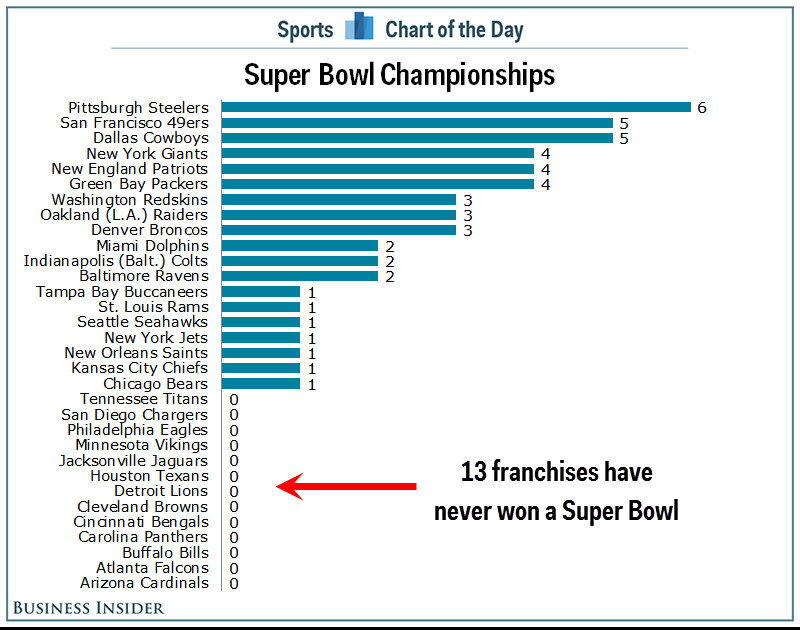
Comparative Analysis
| Team | Super Bowl Wins (NFL Super Bowl Wins Ranking) |
|---|---|
| Pittsburgh Steelers | 6 (Tied for most in NFL history) |
| New England Patriots | 6 (Most in a single era) |
| San Francisco 49ers | 5 (Most in a decade) |
| Dallas Cowboys | 5 (Most in a single decade) |
Future Trends and Innovations
The Super Bowl wins ranking NFL is evolving with the league. As technology advances—from AI-driven analytics to virtual training—teams will find new ways to dominate. The Chiefs’ recent titles, built on Patrick Mahomes’ dual-threat genius and Andy Reid’s offensive mastery, suggest that the future belongs to teams that blend tradition with innovation. Meanwhile, the rise of international talent and expanded rosters could further disrupt the ranking, as franchises like the Jaguars and Lions invest in global scouting.Another factor? The NFL’s push for more games and international expansion. If the league adopts a 19-game season or more global matches, the NFL Super Bowl wins ranking could see new contenders emerge. The ranking isn’t just about past glory—it’s about who can adapt to the next frontier of football.

Conclusion
The Super Bowl wins ranking NFL is a testament to the sport’s rich history and its ever-changing future. From the Steelers’ six titles to the Patriots’ dynasty, each championship tells a story of perseverance, strategy, and sometimes, sheer luck. The ranking isn’t just about who has the most rings—it’s about who has left the deepest mark on the game. As the league continues to evolve, so too will the NFL Super Bowl wins ranking, shaped by new stars, new strategies, and perhaps even new rules.One thing is certain: the teams at the top of the Super Bowl wins ranking NFL aren’t just winners—they’re architects of football’s future. And as long as the game exists, the chase for greatness—and a place in history—will never end.
Comprehensive FAQs
Q: Which team holds the record for the most Super Bowl wins in NFL history?
A: The Pittsburgh Steelers and New England Patriots are tied with six Super Bowl wins each, making them the most decorated franchises in Super Bowl wins ranking NFL history.
Q: How does the NFL determine the official Super Bowl wins ranking?
A: The ranking is based solely on the number of Super Bowl victories, with ties broken by the most recent championship. There is no points system—only wins count.
Q: Can a team’s Super Bowl wins ranking change in a single season?
A: Yes. If a team wins the Super Bowl, they immediately move up in the NFL Super Bowl wins ranking. For example, the Chiefs’ 2023 title pushed them into the top five.
Q: Are there any teams with multiple Super Bowl wins that aren’t in the top five?
A: Yes. The Denver Broncos (3 wins), New York Giants (4 wins), and Washington Commanders (3 wins) have all won multiple Super Bowls but don’t crack the top five in the Super Bowl wins ranking NFL.
Q: How does the Super Bowl wins ranking affect a team’s draft position?
A: Teams with more Super Bowl wins (or recent appearances) often gain leverage in free agency and can attract better draft capital due to their perceived stability and success.
Q: Has any team ever won three Super Bowls in a row?
A: No team has ever won three Super Bowls consecutively. The closest were the Patriots (2003–2004) and the Steelers (1974–1975), who won back-to-back titles.
Q: Do Super Bowl wins count toward other NFL accolades, like the Lombardi Trophy?
A: Yes. Each Super Bowl win earns a team a Lombardi Trophy, and the Super Bowl wins ranking NFL is directly tied to how many a franchise has accumulated.
Q: How do wild-card teams impact the Super Bowl wins ranking?
A: Wild-card teams (those not in the top three of their division) have won Super Bowls, including the 2006 Giants and 2017 Eagles. Their victories still count toward the NFL Super Bowl wins ranking.
Q: Is there a limit to how many Super Bowls a team can win?
A: No, but the NFL’s structure makes it increasingly difficult for teams to sustain dynasties. The Super Bowl wins ranking NFL could theoretically keep growing if a team breaks the six-win record.
Leave a Comment
Comments are moderated before appearing. The data you submit is processed according to the Privacy Policy of Neip.