What Is Sputum? The Hidden Science Behind Your Body’s Silent Signals

Every morning, millions of people wake to a familiar ritual: clearing their throat, coughing, or spitting into a tissue—only to discard it without a second thought. Yet this discarded substance, often dismissed as mere "phlegm," is a complex biological message. What is sputum? It is not just a nuisance; it is a dynamic fluid composed of water, proteins, dead cells, and trapped particles, a byproduct of the body’s vigilant defense system. Its presence, texture, and color can whisper—or scream—about underlying health conditions, from seasonal allergies to life-threatening infections.
The human respiratory tract produces approximately 1.5 liters of mucus daily, most of which is swallowed unnoticed. But when sputum appears in coughs or expectorations, it signals a shift in balance. This shift isn’t random; it’s a physiological response to irritation, infection, or inflammation. Understanding what sputum is and its variations—whether thin and clear, thick and yellow, or streaked with blood—can empower individuals to recognize early warnings of respiratory diseases like bronchitis, pneumonia, or even tuberculosis.
Medical professionals have long studied sputum as a diagnostic tool, analyzing its composition under microscopes to identify bacteria, fungi, or malignant cells. Ancient texts, too, hint at its significance: Hippocrates described "rust-colored sputum" as a harbinger of tuberculosis, a connection modern science has since validated. Yet despite its clinical importance, the general public remains largely unaware of the intricate role this substance plays in health and disease. What is sputum isn’t just a question of biology—it’s a gateway to understanding how the body communicates through its most overlooked secretions.
The Complete Overview of What Is Sputum
What is sputum is a thick, viscous fluid expelled from the respiratory tract during coughing or clearing the throat. Unlike saliva or nasal mucus, sputum originates deeper in the lungs, bronchi, and trachea, where it serves as a first line of defense against inhaled pathogens, dust, and pollutants. Its primary components include mucins (glycoproteins that give it a gel-like consistency), water, electrolytes, immune cells (such as neutrophils and macrophages), and trapped debris—ranging from pollen to bacteria.
The production of sputum is a tightly regulated process. Under normal conditions, the respiratory epithelium produces a thin layer of mucus that traps particles and is continuously moved upward by cilia (tiny hair-like structures) toward the throat, where it is either swallowed or coughed out. However, when the respiratory system detects irritation—whether from a viral infection, smoking, or environmental allergens—it ramps up mucus production, leading to the accumulation of what we recognize as sputum. This overproduction is not accidental; it’s a compensatory mechanism to expel irritants and pathogens more efficiently.
Historical Background and Evolution
The study of sputum stretches back to ancient medical traditions. In Ayurveda, excessive what is sputum was linked to an imbalance in the "kapha" dosha, or phlegmatic humor, a concept that predates modern germ theory by millennia. Meanwhile, Greek physicians like Galen classified sputum based on its color and consistency, associating greenish discharges with "bad humors" or infections. The Renaissance saw further refinement, with physicians like Ambroise Paré describing sputum’s role in diagnosing tuberculosis—a disease that would later become synonymous with the term "consumption."
Table of Contents
- The Complete Overview of What Is Sputum
- Historical Background and Evolution
- Core Mechanisms: How It Works
- Key Benefits and Crucial Impact
- Major Advantages
- Comparative Analysis
- Future Trends and Innovations
- Conclusion
- Comprehensive FAQs
- Q: Is sputum the same as phlegm?
- Q: Why does sputum sometimes have blood in it?
- Q: Can sputum tests detect COVID-19?
- Q: How can I tell if my sputum is normal or a sign of infection?
- Q: Are there natural ways to manage excessive sputum?
- Q: Can sputum reveal signs of lung cancer?
By the 19th century, the advent of microscopy revolutionized the understanding of what sputum is. Scientists like Robert Koch isolated Mycobacterium tuberculosis from sputum samples, proving that microorganisms, not just "bad air," caused disease. Today, sputum analysis remains a cornerstone of respiratory medicine, with techniques like Gram staining, acid-fast bacilli (AFB) smears, and even DNA sequencing used to identify pathogens. The evolution of what is sputum from a mystical bodily fluid to a diagnostic goldmine reflects broader advances in microbiology and immunology.
Core Mechanisms: How It Works
The production of sputum is governed by specialized cells in the respiratory tract. Goblet cells, scattered among the epithelial lining, secrete mucins that hydrate and thicken the mucus layer. Meanwhile, submucosal glands produce serous fluids to maintain the balance. When stimulated—by cytokines released during inflammation or by irritants like cigarette smoke—these cells hypersecrete, leading to the accumulation of what is sputum. The cilia then work in unison to propel this fluid upward, a process known as the mucociliary clearance system.
However, this system can fail under certain conditions. Chronic bronchitis, for example, damages cilia and reduces their motility, causing sputum to stagnate and become a breeding ground for bacteria. Similarly, cystic fibrosis—a genetic disorder—results in abnormally thick, sticky sputum that clogs airways and requires aggressive therapies to clear. The body’s ability to produce and expel sputum is thus a delicate balance, one that can tip toward disease when disrupted. Understanding these mechanisms is crucial for diagnosing conditions where what is sputum becomes an abnormal or persistent feature.
Key Benefits and Crucial Impact
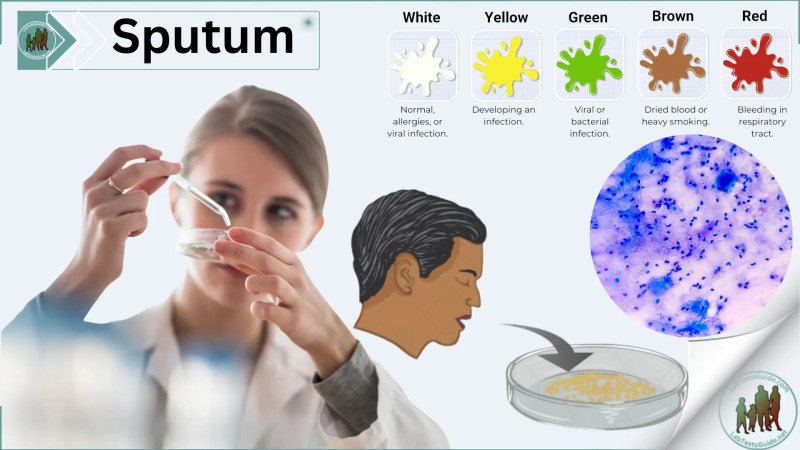
The presence of sputum is rarely a benign occurrence; it is almost always a response to an underlying issue. Yet its study offers critical insights into respiratory health. For instance, the color and consistency of sputum can narrow down potential diagnoses: clear and watery sputum might indicate allergies, while rust-colored sputum could suggest pneumonia. Even the time of day it appears matters—morning sputum is often thicker due to overnight fluid accumulation, while nocturnal coughing with sputum may point to conditions like sleep apnea or heart failure.
Beyond diagnosis, sputum plays a protective role. It neutralizes acids, traps pathogens, and prevents them from reaching the lungs’ delicate alveoli. In healthy individuals, most sputum is unnoticed because it is swallowed and digested. But when it becomes visible or excessive, it serves as a biological alarm system, prompting medical evaluation. The clinical value of what is sputum cannot be overstated; it is a window into the respiratory system’s state, offering clues that blood tests or imaging alone might miss.
"Sputum is the mirror of the lungs. To ignore its message is to risk missing the first signs of a storm."
— Adapted from historical medical texts on pulmonary diagnostics
Major Advantages
- Early Disease Detection: Changes in sputum—such as sudden blood streaks or foul odor—can signal infections like tuberculosis or lung abscesses years before other symptoms appear.
- Pathogen Identification: Laboratory analysis of sputum can isolate bacteria, fungi, or viruses (e.g., Pseudomonas aeruginosa in cystic fibrosis patients), guiding targeted antibiotic therapy.
- Monitoring Chronic Conditions: Patients with COPD or bronchiectasis use sputum color charts to track flare-ups, adjusting treatment proactively.
- Non-Invasive Sampling: Unlike bronchoscopy, sputum collection is painless and can be done at home, making it accessible for routine monitoring.
- Research Applications: Sputum studies have led to breakthroughs in asthma management, cystic fibrosis therapies, and even cancer biomarkers (e.g., detecting EGFR mutations in lung cancer).

Comparative Analysis
| Characteristic | Sputum | Mucus (Nasal) |
|---|---|---|
| Origin | Lower respiratory tract (lungs, bronchi, trachea) | Upper respiratory tract (nasal passages, sinuses) |
| Primary Function | Traps and expels pathogens/debris from deep lung tissues | Filters inhaled particles and humidifies air |
| Consistency | Thicker, often gel-like; may be purulent (pus-like) in infections | Thinner, watery; becomes thicker with allergies or colds |
| Clinical Significance | Key indicator of lung infections, chronic diseases, or malignancies | Primarily linked to allergies, sinusitis, or viral infections |
Future Trends and Innovations
The field of sputum analysis is on the cusp of transformation, driven by advances in molecular biology and wearable technology. Emerging techniques, such as what is sputum metabolomics, allow researchers to profile its chemical composition for early disease markers. For example, volatile organic compounds (VOCs) in sputum can now detect lung cancer with up to 90% accuracy in some studies. Meanwhile, smartphone-based microscopes are being developed to enable point-of-care sputum analysis in remote areas, democratizing access to diagnostic tools.
Another frontier is personalized medicine. As our understanding of what is sputum deepens, clinicians may soon tailor treatments based on an individual’s sputum microbiome—identifying which bacteria dominate and adjusting antibiotics accordingly. Additionally, bioengineered mucolytics (drugs that thin sputum) are being tested for cystic fibrosis, offering hope for patients who currently rely on daily chest physiotherapy. The future of sputum research lies in integrating these innovations with AI-driven pattern recognition, potentially turning a simple cough sample into a comprehensive health snapshot.
Conclusion
What is sputum is far more than an inconvenience—it is a biological narrative, a silent dialogue between the body’s defenses and the environment. From its ancient roots in humoral theory to its modern role in precision medicine, sputum has proven to be an invaluable tool in both diagnosis and research. Ignoring its signals can have serious consequences, but harnessing its potential—through better education, advanced diagnostics, and innovative therapies—could revolutionize respiratory healthcare.
Next time you cough into a tissue, pause to consider: this unassuming substance may hold the key to your health. Whether it’s the color, the frequency, or the context in which it appears, sputum is a message worth decoding. As science continues to unravel its secrets, one thing is clear—understanding what is sputum is not just about managing symptoms; it’s about empowering individuals to take control of their respiratory well-being.
Comprehensive FAQs
Q: Is sputum the same as phlegm?
A: While often used interchangeably, "phlegm" is a lay term for sputum, particularly when it’s thick and expectorated. Medically, sputum refers specifically to the fluid produced in the lower respiratory tract, whereas phlegm can sometimes include nasal mucus. However, in common language, the two are synonymous.
Q: Why does sputum sometimes have blood in it?
A: Hemoptysis (coughing up blood) in sputum can result from irritation or damage to blood vessels in the respiratory tract. Common causes include bronchitis, pneumonia, or even minor trauma from coughing. However, persistent blood streaks warrant immediate medical evaluation, as they may indicate serious conditions like tuberculosis, lung cancer, or pulmonary embolism.
Q: Can sputum tests detect COVID-19?
A: While nasal swabs are the gold standard for COVID-19 testing, sputum samples can sometimes detect the virus, especially in severe cases where it replicates deeply in the lungs. However, sputum testing is less common due to the higher risk of aerosolization and the effectiveness of PCR tests on upper respiratory samples.
Q: How can I tell if my sputum is normal or a sign of infection?
A: Normal sputum is typically clear or white and appears only when clearing the throat. Signs of infection include:
- Yellow or green color (indicating pus from bacterial infection)
- Rust-colored or bloody sputum (potential pneumonia or tuberculosis)
- Foul odor (possible lung abscess or anaerobic infection)
- Persistent production for over 2–3 weeks (chronic condition like bronchiectasis)
Q: Are there natural ways to manage excessive sputum?
A: For non-infectious causes (e.g., allergies or acid reflux), staying hydrated, using a humidifier, and avoiding irritants like smoke can help. For infections, steam inhalation or over-the-counter expectorants (like guaifenesin) may thin sputum. However, chronic or worsening symptoms should be evaluated by a doctor, as some conditions (e.g., cystic fibrosis) require specialized treatment.
Q: Can sputum reveal signs of lung cancer?
A: In some cases, yes. While not a definitive diagnostic tool, sputum cytology (microscopic examination) can detect abnormal cells suggestive of lung cancer, particularly in high-risk individuals (e.g., smokers). However, imaging and biopsy remain the standard for confirmation. Research into sputum biomarkers (e.g., proteins or DNA mutations) is ongoing to improve early detection.
Leave a Comment
Comments are moderated before appearing. The data you submit is processed according to the Privacy Policy of Neip.