Hamstring Injury What to Do: Expert Recovery & Prevention

A hamstring injury can transform a routine workout into a weeks-long nightmare, leaving athletes and active individuals grappling with pain, uncertainty, and the fear of reinjury. The moment you feel that sharp pull or hear the telltale "pop," the question isn’t just how to fix it—it’s why it happened in the first place. Hamstrings, the trio of muscles (biceps femoris, semitendinosus, semimembranosus) spanning the back of your thigh, endure immense stress during sprinting, jumping, and even everyday movements like bending over. Yet, despite their robustness, they’re among the most frequently injured muscles in sports, with recurrence rates as high as 30%—a statistic that underscores the need for precision in hamstring injury what to do protocols.
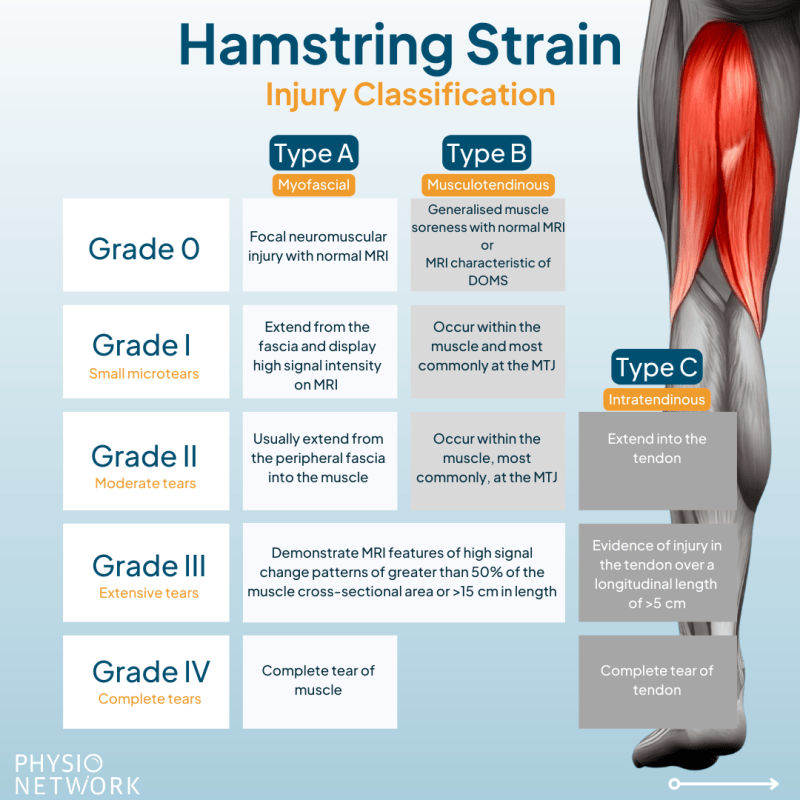
The response to a hamstring strain isn’t one-size-fits-all. What works for a weekend runner may differ drastically from an elite sprinter’s rehab plan. Ignoring the nuances—like whether the tear is Grade 1 (mild) or Grade 3 (severe)—can prolong recovery or even worsen the damage. The first 72 hours are critical: ice, compression, and relative rest are non-negotiable, but so is avoiding the pitfalls of over-relying on crutches or passive treatments that weaken the muscle long-term. Meanwhile, the rehabilitation phase demands a blend of evidence-based exercises, load management, and psychological resilience, as mental fatigue often correlates with physical relapse.
Beyond the immediate aftermath, the real challenge lies in hamstring injury prevention. Studies show that up to 12% of athletes will suffer a repeat hamstring injury within a year of their first, a cycle fueled by poor warm-ups, muscle imbalances, or returning to activity too soon. The solution isn’t just stretching—it’s a multifaceted approach integrating eccentric training, plyometrics, and neuromuscular drills tailored to an individual’s biomechanics. For those who’ve been sidelined, understanding the why behind their injury is the first step toward a smarter, stronger comeback.
The Complete Overview of Hamstring Injury Recovery
A hamstring injury is more than just a muscle pull—it’s a disruption in the kinetic chain that affects gait, power output, and even core stability. The recovery process must address both the acute injury and the underlying factors that predispose someone to strains, whether that’s poor flexibility, previous trauma, or occupational demands (think construction workers or dancers). The modern approach to hamstring injury what to do has evolved from the "RICE" (Rest, Ice, Compression, Elevation) dogma of the 20th century to a dynamic model emphasizing early mobilization, progressive loading, and sport-specific retraining. This shift reflects decades of research in sports medicine, where static rest is now recognized as a contributor to muscle atrophy and increased reinjury risk.
Today, rehabilitation is stratified by injury severity, with protocols ranging from 2–4 weeks for mild strains to 6–12 months for complete ruptures requiring surgical intervention. The key phases—acute management, subacute rehab, and return-to-play—each require distinct interventions. For example, while ice may reduce inflammation in the first 48 hours, heat therapy later in recovery can enhance blood flow to the healing tissue. Similarly, the transition from isometric exercises (like glute bridges) to dynamic movements (such as Nordic hamstring curls) must be gradual, guided by pain thresholds and functional tests. The goal isn’t just to heal the muscle but to restore its ability to absorb force and generate power without compensation patterns that invite recurrence.
Historical Background and Evolution
The study of hamstring injuries dates back to ancient Greek athletes, who documented "thigh pulls" in texts describing Olympic competitions. However, it wasn’t until the 20th century that medical science began dissecting the biomechanics behind these injuries. Early treatments were rudimentary—think strapping, limited mobility, and prolonged bed rest—which often led to chronic weakness. The 1980s marked a turning point with the introduction of eccentric loading (e.g., the Nordic hamstring exercise) by researchers like Dr. Per Aagaard, who demonstrated that controlled lengthening contractions could strengthen the muscle-tendon unit more effectively than traditional stretching. This innovation laid the groundwork for contemporary hamstring injury recovery strategies, which now prioritize neuromuscular control over passive recovery.
Table of Contents
- The Complete Overview of Hamstring Injury Recovery
- Historical Background and Evolution
- Core Mechanisms: How It Works
- Key Benefits and Crucial Impact
- Major Advantages
- Comparative Analysis
- Future Trends and Innovations
- Conclusion
- Comprehensive FAQs
- Q: How long does it typically take to recover from a hamstring injury?
- Q: Should I use heat or ice for a hamstring injury?
- Q: Can I still exercise with a hamstring injury?
- Q: What’s the best way to prevent hamstring injuries?
- Q: When can I return to sports after a hamstring injury?
- Q: Are there any foods or supplements that aid hamstring recovery?
- Q: What’s the difference between a pulled hamstring and a torn hamstring?
Parallel advancements in imaging technology—such as MRI and ultrasound—revolutionized diagnosis, allowing clinicians to distinguish between muscle tears, tendon avulsions, and nerve entrapments (e.g., sciatic nerve irritation). These tools also revealed that hamstring injuries often coexist with hip flexor tightness or gluteal weakness, highlighting the need for a holistic approach. Today, rehabilitation programs incorporate diagnostic ultrasound to monitor tissue healing in real time, while wearable sensors track gait deviations during return-to-sport testing. The evolution from empirical treatments to data-driven protocols has reduced recovery times by up to 30% in some cases, though individual variability remains a challenge.
Core Mechanisms: How It Works
Hamstring injuries typically occur during high-speed movements when the muscle is simultaneously lengthening (eccentric contraction) and generating force. The biceps femoris, located on the outer thigh, is particularly vulnerable because its two heads (long and short) have differing roles in knee flexion and hip extension, creating a mechanical disadvantage during sprinting. When the muscle fibers exceed their elastic limits—often due to fatigue, poor warm-up, or sudden deceleration—the result is a strain ranging from microtears (Grade 1) to complete ruptures (Grade 3). The body’s inflammatory response to this damage is what causes the initial pain and swelling, but it’s also the body’s way of initiating repair.
During the healing process, three phases unfold: inflammation (days 1–3), proliferation (weeks 1–6), and remodeling (months 3–12+). In the proliferation phase, fibroblasts produce collagen to bridge the torn fibers, but this new tissue lacks the organization of healthy muscle, making it prone to reinjury if loaded prematurely. Rehabilitation exploits this timeline by introducing progressive resistance exercises (e.g., resistance band curls) to guide collagen alignment along the muscle’s natural lines of force. Advanced techniques like blood flow restriction (BFR) training have also emerged, using tourniquets to induce hypoxia and stimulate muscle growth with lighter loads—a method gaining traction for its efficiency in subacute recovery.
Key Benefits and Crucial Impact
The consequences of a poorly managed hamstring injury extend beyond the immediate discomfort. Chronic pain, muscle atrophy, and compensatory movement patterns can persist for years, increasing the risk of secondary injuries like patellofemoral pain syndrome or lower back issues. Conversely, a well-structured hamstring injury rehabilitation program doesn’t just restore function—it can enhance an athlete’s performance by improving eccentric strength, which is critical for sprinting and jumping. For example, studies on elite sprinters show that those who complete Nordic hamstring exercises 2–3 times per week reduce their reinjury risk by up to 50%. The ripple effects of proper recovery also include better sleep quality (due to reduced pain), increased confidence, and a lower likelihood of developing overuse syndromes in adjacent muscles.
Beyond physical outcomes, the psychological impact of a hamstring injury is often underestimated. The frustration of watching teammates train while you’re sidelined, or the fear of relapsing during a comeback, can lead to anxiety or depression in competitive athletes. Addressing this requires a biopsychosocial approach, where physical therapists incorporate cognitive behavioral techniques to reframe setbacks as part of the process. The long-term benefits of this integrated care—faster returns, higher adherence to rehab, and improved mental resilience—make it a cornerstone of modern hamstring injury management.
"A hamstring injury isn’t just a setback; it’s an opportunity to rebuild the muscle with better mechanics and resilience than before." — Dr. Shalaya Kipp, Sports Medicine Physician and Researcher
Major Advantages
- Reduced Reinjury Risk: Eccentric training (e.g., Nordic curls) strengthens the muscle-tendon junction, the most common site of hamstring tears, by up to 40%.
- Faster Return to Sport: Progressive loading protocols can shorten recovery time by 2–4 weeks compared to traditional rest-based methods.
- Improved Biomechanics: Correcting imbalances (e.g., weak glutes or tight hip flexors) prevents compensatory movements that lead to chronic overuse.
- Enhanced Power Output: Post-rehab, athletes often see gains in sprint speed and vertical jump due to improved elastic energy storage in the hamstrings.
- Cost-Effective Prevention: Implementing a 10-minute pre-workout routine (dynamic stretches + eccentric drills) can cut injury rates by 30% in team sports.

Comparative Analysis
| Traditional Approach | Modern Evidence-Based Approach |
|---|---|
| RICE (Rest, Ice, Compression, Elevation) for 2+ weeks | Early mobilization with controlled loading (e.g., isometric holds, BFR training) |
| Passive stretching and static rest | Active recovery (e.g., aqua therapy, cycling with resistance) |
| Return to sport based on pain tolerance | Functional testing (e.g., single-leg hop tests, sprint drills) before clearance |
| Focus on the injured hamstring only | Full kinetic chain assessment (hips, glutes, core, ankles) |
Future Trends and Innovations
The next frontier in hamstring injury treatment lies at the intersection of technology and biology. Wearable sensors embedded in compression garments can now monitor muscle temperature and stiffness in real time, alerting athletes to overtraining or reinjury risks before symptoms arise. Meanwhile, regenerative medicine—such as platelet-rich plasma (PRP) injections and stem cell therapy—is being explored for severe tears, though long-term efficacy remains debated. On the training front, AI-driven biomechanical analysis (e.g., using motion capture) is personalizing rehab programs by identifying subtle gait deviations that predispose individuals to hamstring strains. These innovations are particularly promising for high-risk populations, like soccer players, where hamstring injuries account for 12–16% of all match injuries.
Another emerging trend is the integration of mental health support into rehab protocols. Apps that use biofeedback (e.g., heart rate variability monitoring) to teach athletes how to modulate stress responses during recovery are showing early promise in reducing relapse rates. Additionally, the rise of "load management" frameworks—where coaches and athletes collaborate to structure training phases based on physiological data—is reshaping how sports science approaches hamstring injury prevention. As these tools become more accessible, the gap between elite and amateur recovery strategies may narrow, democratizing high-performance rehabilitation.
Conclusion
A hamstring injury is rarely just a temporary setback; it’s a call to rethink how you train, recover, and listen to your body. The old adage "no pain, no gain" has given way to a more nuanced understanding: that pain is a signal, not a badge of honor. By combining cutting-edge research with personalized care, today’s athletes and active individuals can turn a potential career-ender into an opportunity for stronger, smarter movement. The key lies in acting decisively in the acute phase, committing to a phased rehab plan, and adopting lifelong habits that prioritize muscle health—whether that’s through eccentric exercises, mobility work, or simply pacing yourself.
For those who’ve experienced a hamstring strain, the journey back to full strength is as much about patience as it is about persistence. The road may include setbacks, but each milestone—whether it’s pain-free walking, a successful single-leg squat, or a sprint without hesitation—is a testament to the body’s remarkable capacity to heal when given the right tools. The lesson? Treat your hamstrings not as a liability, but as a powerhouse that, with the right care, can become your most resilient asset.
Comprehensive FAQs
Q: How long does it typically take to recover from a hamstring injury?
A: Recovery time varies by severity: Grade 1 (mild) strains often heal in 2–4 weeks, Grade 2 (moderate) strains take 4–8 weeks, and Grade 3 (severe) tears may require 3–6 months or longer, especially if surgery is involved. Factors like age, overall fitness, and adherence to rehab also play a role. For example, a 25-year-old athlete with no prior injuries may recover faster than someone with chronic muscle imbalances.
Q: Should I use heat or ice for a hamstring injury?
A: In the first 48–72 hours, ice (or cold therapy) is recommended to reduce inflammation and numb pain. After this acute phase, heat (e.g., warm baths or moist heat packs) can improve blood flow and relax stiff muscles. Avoid heat during the initial inflammatory stage, as it may worsen swelling. Alternating ice and heat (e.g., 20 minutes ice, then 20 minutes heat) later in recovery can also enhance tissue mobility.
Q: Can I still exercise with a hamstring injury?
A: Yes, but the type and intensity of exercise depend on the injury’s severity. In the acute phase, low-impact activities like swimming or cycling (with resistance bands for the unaffected leg) can maintain cardiovascular fitness without aggravating the hamstring. As you progress, focus on isometric exercises (e.g., glute bridges, wall sits) and avoid eccentric movements (e.g., running, jumping) until cleared by a professional. Always prioritize pain-free movement.
Q: What’s the best way to prevent hamstring injuries?
A: Prevention combines dynamic warm-ups, strength training, and proper recovery. Key strategies include:
- Eccentric exercises (e.g., Nordic hamstring curls) 2–3 times per week.
- Plyometric drills (e.g., box jumps) to improve power and landing mechanics.
- Hip and glute activation drills to reduce hamstring overuse.
- Gradual progression in training load (avoid sudden increases in sprinting or jumping).
- Post-workout stretching (focus on hamstrings, calves, and hip flexors).
Q: When can I return to sports after a hamstring injury?
A: Return-to-sport decisions should never be based solely on time elapsed but on functional testing. A typical progression includes:
- Pain-free walking and stair climbing.
- Full range of motion and strength (90% of uninjured leg).
- Passing single-leg hop tests and agility drills.
- Successful sport-specific simulations (e.g., sprinting, cutting).
Q: Are there any foods or supplements that aid hamstring recovery?
A: Nutrition supports recovery by reducing inflammation and promoting tissue repair. Key nutrients include:
- Protein (1.6–2.2g/kg body weight) for muscle repair (e.g., lean meats, eggs, plant-based proteins).
- Omega-3 fatty acids (found in fish, flaxseeds) to lower inflammation.
- Vitamin C and zinc for collagen synthesis.
- Antioxidants (berries, leafy greens) to combat oxidative stress.
- Hydration (3–4L water/day) to maintain muscle elasticity.
Q: What’s the difference between a pulled hamstring and a torn hamstring?
A: The terms are often used interchangeably, but they describe different severities:
- Pulled hamstring (Grade 1–2): Overstretched or partially torn muscle fibers, causing mild to moderate pain and swelling. Walking is usually possible, though limping may occur.
- Torn hamstring (Grade 3): A complete or near-complete rupture of the muscle, often accompanied by a palpable gap, severe pain, and inability to walk without assistance. Surgical repair may be required for severe tears.
Leave a Comment
Comments are moderated before appearing. The data you submit is processed according to the Privacy Policy of Neip.