Tag
agricultural science
-

The Science Behind How Many Goats Per Acre for Optimal Grazing
The debate over goat stocking density extends beyond mere numbers. It touches on rotational grazing strategies, supplemental feeding costs, and long-term land...
-

What Does It Mean When a Plant Is Mature? The Science and Art of Botanical Fulfilment
The misconception that maturity equates to "fully grown" overlooks critical distinctions. A 10-foot oak may still be juvenile if it hasn’t yet flowered, while...
-

The Hidden Meaning Behind What Does a Perennial Mean in Nature and Culture
Perennials are the unsung architects of ecosystems, their deep root systems binding soil, their repeated cycles of rebirth teaching patience in a culture...
-

The Hidden Gates of Life: What Are Stomata and Why They Rule Plant Survival
The science of stomata stretches back to the 17th century, when early microscopists first glimpsed these enigmatic openings. But their true significance only...
-

Are GMOs Good or Bad? The Science, Ethics, and Future of Genetic Engineering
The scientific consensus on GMOs is clearer than ever: they are not inherently good or bad. Like any tool, their impact depends on application. A GMO designed...
-

The Hidden World of Baby Cows: From Calf to Cattle
Yet, beneath the surface of this agricultural routine lies a world of complexity. The baby cow’s first days are a race against time—its immune system is...
-

The Secret Science of How to Tell If Watermelon Is Ripe
The stakes are higher than most realize. A single misjudged watermelon can ruin a picnic, a barbecue, or even a high-end fruit platter. Yet, despite its...
-

The Hidden Diet of Lady Beetles: What Do They Eat and Why It Matters
The question of what do lady beetles eat extends beyond basic curiosity into the realm of agricultural science and conservation biology. Farmers, gardeners...
-

Why Are My Tomatoes Not Turning Red? The Hidden Science Behind Ripening Failures
Tomatoes are notoriously finicky about their ripening process. Unlike fruits that ripen on the vine, tomatoes rely on a cascade of biochemical signals—ethylene...
-
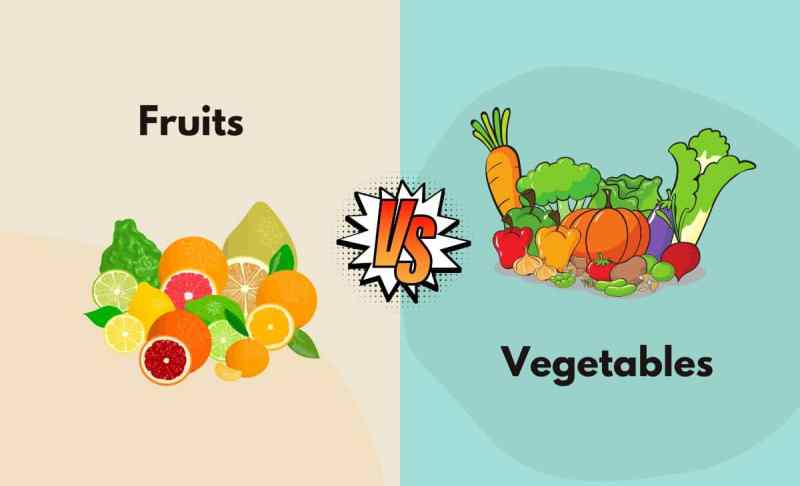
What’s the Difference Between Fruits and Vegetables? The Science, History, and Hidden Truths Behind Your Plate
Then there’s the nutritional angle. Fruits and vegetables are both powerhouses of vitamins, but their roles in digestion, blood sugar regulation, and metabolic...
-

The Hidden Power of Grains: What Is a Grain and Why It Shapes Civilization
The term grain carries layers of meaning: botanically, it’s a type of seed; economically, it’s a commodity that drives global trade; and culturally, it’s a...
-

The Science Behind Plasmolysis: What Is Plasmolysis and Why It Matters
What happens when a plant cell is submerged in a hypertonic solution? The answer lies in the osmotic gradient—a force so fundamental it dictates survival in...
-

What Are Heifers? The Hidden Role of Young Cows in Agriculture and Culture
What makes heifers particularly fascinating is their duality: they are both a product and a producer. A heifer is a cow in training—her development is...
-

How to Tell a Ripe Mango: The Science and Art of Perfect Selection
The moment a mango reaches peak ripeness is a fleeting one—its sweetness explodes like a summer storm, its texture yielding under gentle pressure, its aroma...
-

Do Mangoes Have Noses? The Odd Truth Behind Nature’s Weirdest Fruit Traits
The question Do mangoes have noses? isn’t just a playful riddle—it’s a gateway to understanding how plants defy human expectations. At first glance, the mango...
-

How to Calculate Solute Potential: The Science Behind Osmotic Balance
Solute potential—often overlooked in introductory biology but critical in advanced plant physiology, biochemistry, and medical diagnostics—dictates how water...