Tag
food science
-

The Art of Perfectly Roasted Beets: How to Roast Beets for Maximum Flavor and Texture
The art of roasting beets isn’t just about heat—it’s about patience. Unlike quick-cooking greens or delicate asparagus, beets demand slow, even exposure to dry...
-

The Rise of Cinnamon Chips: A Sweet Revolution in Snacking
What makes these chips more than a fleeting fad? The answer lies in their duality: they satisfy the universal craving for crunch while delivering a complex...
-
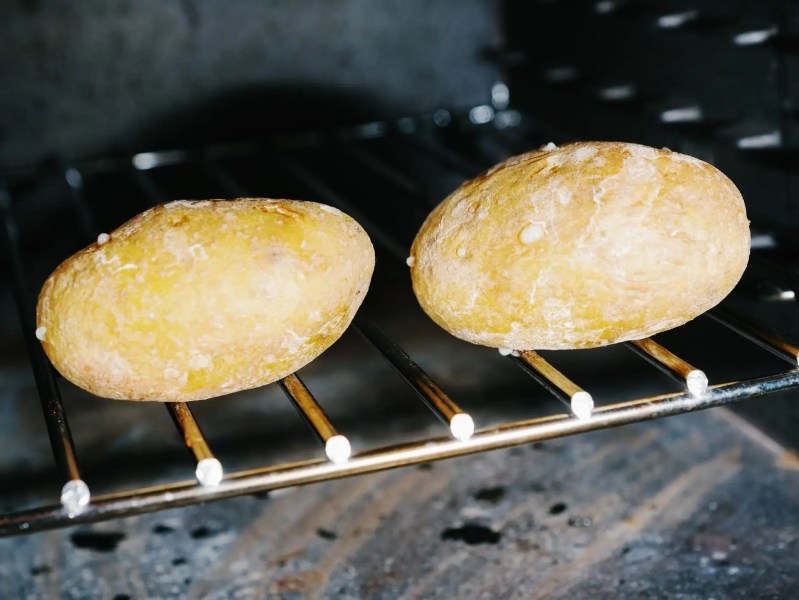
The Science Behind the Perfect Crisp: Best Temperature to Bake Potatoes
Traditional methods relied on low-and-slow baking to prevent moisture loss, but modern ovens and high-heat techniques have redefined expectations. A potato...
-

The Art and Science of Perfect Roast Pork Loin: A Culinary Masterpiece
The first time a perfectly roasted pork loin emerges from the oven—golden, crackling, and tender enough to melt into flakes—it’s a moment of triumph. This...
-

The Sweet Truth: What’s the Difference Between Jam and Jelly?
What’s the difference between jam and jelly? At its core, the answer lies in the fruit’s role: jam retains visible fruit pieces, while jelly is a clarified...
-

The Crunchy Truth: Why These Are the Best Rice Crispy Treats Ever Made
What makes a rice crispy treat truly exceptional? It’s not just the ingredients—though high-quality marshmallows, real butter, and premium rice cereal are...
-

The Secret to the Best Cheese Sauce for Nachos: Science, Tradition, and Flavor
The best cheese sauce for nachos isn’t just about melting cheese—it’s about chemistry, texture, and tradition. A well-executed sauce clings to tortilla chips...
-

The Art of Perfectly Baked Chicken: How Can I Bake Chicken Like a Pro?
There’s something primal about the way heat transforms raw protein into golden, crisp-edged perfection. When you ask how can I bake chicken , you’re not just...
-

How Can I Tell If an Egg Is Fresh? The Science and Secrets Behind Perfect Picks
Eggs degrade predictably over time, but the rate depends on storage conditions, handling, and even the breed of the hen. A farm-fresh egg from a free-range...
-

The Secret Science Behind What Bubble Gum Is Made Of
The question of what bubble gum is made of has evolved alongside the product itself. Early versions in the 1800s were little more than rubberized chicle mixed...
-

Why Is It Spicy? The Science, Culture, and Evolution of Heat
The allure of spice transcends taste. It’s a physiological response: the body’s fight-or-flight reaction to capsaicin triggers endorphins, creating a euphoric...
-

Clover Honey Unveiled: What Is Clover Honey and Why It Stands Apart
The allure of clover honey lies in its simplicity—yet that simplicity is deceptive. Behind its unassuming appearance is a meticulous process where bees forage...
-

The Smart Swap: What Can I Use Instead of Heavy Cream (And Why It Matters)
For decades, cooks relied on a limited arsenal of swaps—sour cream, evaporated milk, or even mayonnaise—often with mixed results. But modern food science and...
-

The Art of Pairing: Mastering the Best Sides for Chili
But why do certain sides work while others fall flat? The answer lies in the chemistry of flavors: fat needs acid, protein demands starch, and heat requires...
-

The Secret to Perfect Best Baked Sweet Potatoes: Science, Flavor, and Technique
The sweet potato’s transformation from a humble side dish to a culinary cornerstone hinges on one critical step: baking. When executed with precision, the best...
-

The Secret to Perfect Tacos: Why These Are the Best Onions for Tacos
Yet many cooks overlook the onion’s role as the unsung hero of tacos. A poorly chosen onion—too pungent, too soft, or lacking structure—can turn a masterpiece...
-

The Perfect Timing: How Long to Poach an Egg in Poacher for Flawless Results
The key lies in understanding the interplay between heat, water movement, and protein denaturation. A poacher—whether a specialized pan, a repurposed saucepan...
-

The Math Behind How Many Slices Are in a 14-Inch Pizza
Pizza purists will argue that a 14-inch pie should be cut into eight equal slices, each a perfect 45-degree wedge. Yet, walk into a pizzeria in New York...
-

The Art and Science of Making Paste: From Ancient Traditions to Modern Applications
Paste isn’t just a kitchen staple—it’s a silent architect of flavor, texture, and culinary precision. Whether you’re thickening a sauce, binding ingredients...
-

The Exact Answer to How Much in a Quarter Roll – Breaking Down the Numbers
The ambiguity of "how much in a quarter roll" stems from its dual role—as both a unit of convenience and a technical specification. In bakeries, it might refer...