Tag
plant biology
-

What Is a Leek? The Forgotten Superfood Hiding in Your Kitchen
What separates the leek from its allium cousins is its dual nature: a tender, edible stem that transitions from white to pale green, culminating in a cluster...
-

The Science Behind Why Do Potatoes Turn Green: A Hidden Culinary Warning
What makes this phenomenon even more intriguing is its dual nature: a survival mechanism for the plant and a potential health risk for humans. Potatoes, like...
-

The Hidden Power of Life: What’s an Autotroph and Why It Shapes Our World
The word autotroph (from Greek autos , "self," and trophē , "nourishment") masks a profound paradox: organisms that manufacture their own food from inorganic...
-

How to Master Split Dahlia Tubers for Bigger, Healthier Blooms
What separates amateur gardeners from those who cultivate dahlias like a fine art? Often, it’s the mastery of split dahlia tubers . The process isn’t just...
-
The Art of Sprouting Life: How to Grow the Avocado Seed From Start to Tree
Yet, for all its simplicity, the journey from pit to tree is fraught with pitfalls. Many well-intentioned gardeners abandon their avocado seedlings at the...
-

The Quiet Drama: Insignificant Events in the Life of a Cactus
The life of a cactus is a study in patience. While annual plants burst into bloom and die within months, a cactus may spend decades—even centuries—growing just...
-

The Hidden Connection: How Are Cellular Respiration and Photosynthesis Related?
At first glance, photosynthesis and cellular respiration appear to be opposing forces. Photosynthesis, the process by which plants, algae, and some bacteria...
-

What Is Vegetation? The Hidden Force Shaping Earth’s Ecosystems
What is vegetation, then, if not just greenery? It is a dynamic, self-regulating ecosystem engineer, a term that encompasses not only individual plants but...
-

What Does It Mean When a Plant Is Mature? The Science and Art of Botanical Fulfilment
The misconception that maturity equates to "fully grown" overlooks critical distinctions. A 10-foot oak may still be juvenile if it hasn’t yet flowered, while...
-

The Polarizing Herb: What Are Cilantro and Why It Divides Taste Buds Worldwide
The confusion begins with nomenclature. In North America, cilantro refers to the fresh leaves of Coriandrum sativum , while the dried seeds are called...
-

The Hidden Gates of Life: What Are Stomata and Why They Rule Plant Survival
The science of stomata stretches back to the 17th century, when early microscopists first glimpsed these enigmatic openings. But their true significance only...
-

How to Tell Male vs. Female Pot Plants: The Definitive Guide
The process of identifying male and female pot plants isn’t just about spotting obvious differences; it’s about understanding the subtle biological cues that...
-

The Art and Science of How to Care for Succulents: A Definitive Handbook
The allure of succulents extends beyond aesthetics. Their geometric forms and vibrant hues (from deep burgundy to electric blue) create visual interest with...
-

The Exact Moments to Trim Irises—And Why Timing Matters More Than You Think
Most gardeners assume pruning irises is a one-size-fits-all task, a quick snip after the flowers fade. Yet the reality is far more nuanced. Bearded irises, the...
-

Why Your May Seeds Leak—and How to Fix It
Yet for urban gardeners and homegrown enthusiasts, the sight of "may seeds leaking" from containers or garden beds is rarely welcome. The confusion arises from...
-

Why Are My Tomatoes Not Turning Red? The Hidden Science Behind Ripening Failures
Tomatoes are notoriously finicky about their ripening process. Unlike fruits that ripen on the vine, tomatoes rely on a cascade of biochemical signals—ethylene...
-
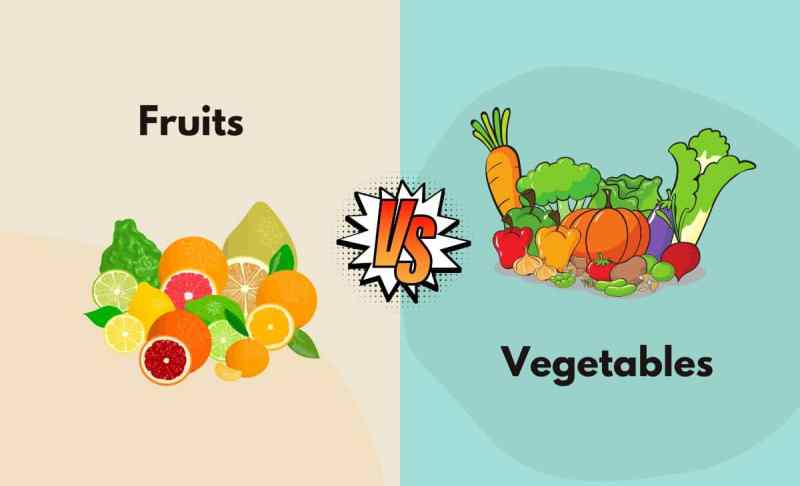
What’s the Difference Between Fruits and Vegetables? The Science, History, and Hidden Truths Behind Your Plate
Then there’s the nutritional angle. Fruits and vegetables are both powerhouses of vitamins, but their roles in digestion, blood sugar regulation, and metabolic...
-

Are Tomatoes Good? The Science, History, and Truth Behind This Polarizing Fruit
At first glance, tomatoes seem like the perfect health food: vibrant red, packed with vitamins, and versatile in nearly every cuisine. Yet, beneath their...
-

Why do leaves are green? The science behind nature’s most striking color
At first glance, the question seems simple: leaves reflect green light while absorbing others. But the reality is far more nuanced. The green hue is a...
-

The Science Behind How Long Do Flowers Last—and How to Extend Their Beauty
Behind every wilting bloom lies a story of trade-offs. A peony, bred for its opulent, short-lived display, may last only five days in a vase, while a delicate...
