How Regional Tourism Revenue Shapes Economies: Deep Dive into Impact Analysis
Tourism isn’t just about travel—it’s the lifeblood of regional economies, a barometer of global connectivity, and a force that can either uplift communities or strain local resources. When policymakers, investors, and urban planners examine impact analyzing tourism revenue regional, they’re not merely crunching numbers; they’re decoding how visitor spending ripples through infrastructure, employment, and cultural preservation. The data reveals stark disparities: a coastal town in Bali might see 60% of its GDP tied to tourism, while a midwestern U.S. city could rely on it for just 10% of its economic output. These variations aren’t random—they’re shaped by geography, governance, and the delicate balance between exploitation and stewardship.
The consequences of misjudging tourism’s regional financial footprint are severe. Over-reliance can lead to seasonal unemployment spikes, inflation in housing costs, and environmental degradation, as seen in Barcelona’s protests against mass tourism or Thailand’s island resorts struggling with overtourism. Conversely, regions that diversify revenue streams—like Iceland, which blends tourism with renewable energy exports—demonstrate how analyzing tourism revenue regionally can mitigate risks while maximizing benefits. The question isn’t whether tourism matters; it’s how to measure its true impact without sacrificing long-term sustainability.
What separates thriving tourism hubs from those teetering on collapse? The answer lies in granular, localized impact analysis of tourism revenue—a process that examines not just visitor numbers or hotel occupancy rates, but the cascading effects on local wages, tax bases, and even cultural identity. For instance, a 2023 study by the World Travel & Tourism Council found that for every $1 spent by an international tourist in the Maldives, $0.45 circulates back into the domestic economy. In contrast, the figure drops to $0.15 in Dubai, where much of the revenue leaks to multinational corporations. These disparities underscore why regional tourism revenue analysis must move beyond surface-level metrics to uncover hidden economic dependencies.
The Complete Overview of Impact Analyzing Tourism Revenue Regional
The field of impact analyzing tourism revenue regional has evolved from rudimentary visitor-count tracking to a sophisticated interdisciplinary approach that integrates economics, sociology, and environmental science. At its core, this analysis seeks to quantify how tourism dollars permeate local systems—from the direct spending at hotels and restaurants to the indirect benefits of construction projects or the multiplier effects of supply chains. Regional governments now deploy tools like input-output models, satellite imagery for infrastructure stress tests, and even AI-driven predictive analytics to forecast revenue streams. The goal isn’t just to track money but to understand its velocity: Does it stay in the community, or does it flow to foreign-owned resorts and corporate headquarters?What makes regional analysis distinct from national or global tourism studies is its hyper-local focus. A city like Venice, Italy, might see tourism as a 12% contributor to its GDP, but when broken down by district, the San Marco area’s economy is 80% dependent on visitors—creating a vulnerability that national averages obscure. Similarly, in the Pacific Islands, tourism revenue can account for over 50% of GDP in some nations, yet the sector’s volatility due to climate change or geopolitical disruptions exposes these economies to existential risks. Analyzing tourism revenue regionally thus requires granular data on everything from seasonal labor demand to the carbon footprint of cruise ship arrivals, ensuring that policies are tailored to micro-economies rather than broad strokes.
Historical Background and Evolution
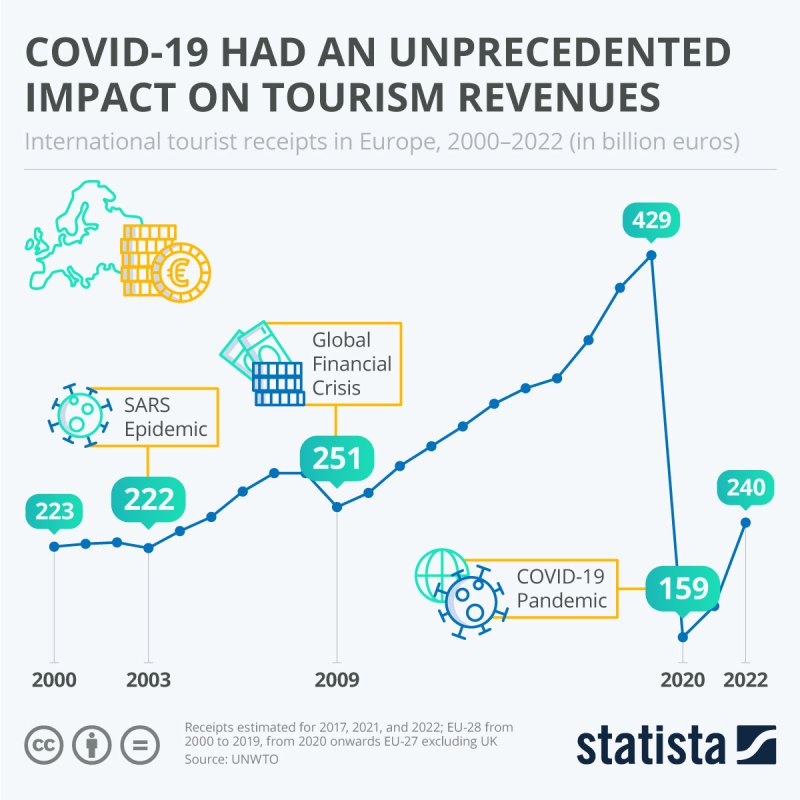
The modern framework for impact analyzing tourism revenue regional emerged in the 1970s, as destinations like Spain’s Costa del Sol and Greece’s islands began experiencing the unintended consequences of mass tourism. Early studies, such as those by the United Nations World Tourism Organization (UNWTO), focused on calculating tourism’s direct contribution to GDP—a metric still widely used today. However, it wasn’t until the 1990s that scholars like David Butler introduced the concept of the "tourism area life cycle," highlighting how regions transition from exploration to consolidation, then stagnation or decline if revenue isn’t reinvested. This shift laid the groundwork for understanding that tourism revenue isn’t static; it’s a dynamic force that requires constant recalibration.The 2000s brought a paradigm shift with the rise of regional tourism revenue analysis as a policy tool. The global financial crisis of 2008 exposed how vulnerable tourism-dependent economies were to external shocks, prompting governments to adopt more resilient models. For example, Portugal’s Algarve region, once reliant on sun-and-sand tourism, pivoted to niche markets like digital nomads and eco-tourism, diversifying its revenue streams. Meanwhile, destinations like Bali faced backlash from locals over unchecked development, forcing a reevaluation of how tourism revenue should be distributed—whether through community trusts, local hiring quotas, or strict visitor caps. Today, the field has expanded to include impact analysis that measures social equity, cultural preservation, and environmental carrying capacity alongside financial metrics.
Core Mechanisms: How It Works
The mechanics of impact analyzing tourism revenue regional hinge on three pillars: data collection, economic modeling, and policy application. Data collection begins with primary sources—tax records, hotel occupancy reports, and transportation statistics—but increasingly relies on real-time tools like mobile payment tracking and geospatial analysis. For instance, Singapore’s tourism board uses license plate recognition to study visitor movement patterns, while smaller regions like Bhutan employ biometric entry-exit systems to monitor tourist spending in high-value areas. Economic modeling then translates raw data into actionable insights using techniques like:Table of Contents
- The Complete Overview of Impact Analyzing Tourism Revenue Regional
- Historical Background and Evolution
- Core Mechanisms: How It Works
- Key Benefits and Crucial Impact
- Major Advantages
- Comparative Analysis
- Future Trends and Innovations
- Conclusion
- Comprehensive FAQs
- Q: How does impact analyzing tourism revenue regional differ from national tourism statistics?
- Q: What are the most common mistakes in analyzing tourism revenue regionally ?
- Q: Can small islands or rural regions benefit from impact analyzing tourism revenue regional ?
- Q: How do governments enforce equitable distribution of tourism revenue?
- Q: What role does technology play in modern impact analyzing tourism revenue regional ?
Policy application is where theory meets practice. Regions like Costa Rica have institutionalized tourism revenue regional analysis into their planning processes, requiring impact assessments for all new developments. These assessments evaluate everything from job creation to water usage, ensuring that growth aligns with sustainable development goals. Meanwhile, cities like Amsterdam have implemented "tourism taxes" where visitors pay a fee that funds local amenities, directly linking revenue generation to community benefits.
Key Benefits and Crucial Impact
The strategic impact analysis of tourism revenue offers regions a competitive edge in an era where global travel patterns are increasingly volatile. For emerging economies, tourism can be a catalyst for poverty reduction—studies show that for every 1% increase in tourism revenue, rural employment in destinations like Rwanda or Nepal rises by 0.5%. In developed nations, regions like Tuscany or the Scottish Highlands use tourism to counter depopulation by creating high-value service jobs that retain young professionals. Yet the benefits extend beyond economics: analyzing tourism revenue regionally can preserve cultural heritage by funding restoration projects (e.g., Machu Picchu’s visitor limits) or mitigate environmental harm through eco-certifications (e.g., Belize’s "Reef Safe" tourism standards).The flip side of tourism’s economic promise is its potential to exacerbate inequality. Without careful regional tourism revenue analysis, wealth concentrates in the hands of a few—hotel chains, tour operators, and real estate developers—while locals are priced out of housing markets. In Phuket, Thailand, the average cost of a condominium rose by 400% over a decade as tourism boomed, displacing fishing communities. The solution lies in equitable revenue-sharing models, such as those in Iceland, where 10% of tourism taxes fund community projects like renewable energy co-ops. These examples prove that impact analyzing tourism revenue regional isn’t just about numbers; it’s about redistributing power and ensuring that growth serves all stakeholders.
"Tourism is not an industry; it’s a multiplier. When done right, it can lift entire regions out of stagnation. When done wrong, it becomes a parasite, draining resources without nourishing the host." — Rune Gammelsæter, Former Director of the Arctic University of Norway’s Tourism Research Center
Major Advantages
- Economic Diversification: Regions like Croatia’s Dubrovnik have shifted from seasonal agriculture to year-round tourism, reducing reliance on single crops and stabilizing income. Analyzing tourism revenue regionally reveals untapped niches (e.g., medical tourism in Thailand or film tourism in New Zealand), allowing destinations to pivot during downturns.
- Infrastructure Upgrades: Tourism revenue often funds public works that benefit residents, such as the expansion of public transit in Barcelona or the renovation of historic districts in Prague. A 2022 study found that for every $1 invested in tourism infrastructure, local governments see a $2 return in long-term asset value.
- Cultural Preservation: Direct revenue from tourism can finance heritage conservation, as seen in Peru’s funding of Inca trail maintenance or Morocco’s restoration of medina districts. Regional tourism revenue analysis ensures that cultural assets aren’t commodified but sustained.
- Job Creation: The sector employs one in ten people globally, with regional breakdowns showing higher multipliers in labor-intensive destinations. For example, a resort in the Maldives employs 20 locals per 100 visitors, while a cruise ship in Miami employs just 5.
- Data-Driven Policy: Tools like the UNWTO’s Tourism Satellite Account (TSA) provide standardized frameworks for impact analyzing tourism revenue regional, enabling comparisons across borders. This transparency helps regions negotiate fairer contracts with global players (e.g., Airbnb’s revenue-sharing agreements).

Comparative Analysis
| Metric | High-Tourism Dependency (e.g., Maldives) | Moderate Dependency (e.g., Portugal) | Low Dependency (e.g., Germany) |
|---|---|---|---|
| Tourism % of GDP | 65-80% | 15-25% | 3-8% |
| Revenue Leakage Rate | High (40-60% to foreign owners) | Moderate (20-30%) | Low (5-15%) |
| Job Multiplier Effect | 1:15 (20 local jobs per 100 visitors) | 1:8 (8 local jobs per 100 visitors) | 1:3 (3 local jobs per 100 visitors) |
| Key Risk Factor | Climate vulnerability, overtourism | Seasonal fluctuations, infrastructure strain | Global economic shifts, low diversification |
Future Trends and Innovations
The next decade of impact analyzing tourism revenue regional will be defined by technology and sustainability. AI and blockchain are already enabling real-time tourism revenue regional analysis, with platforms like Travala.com using predictive algorithms to forecast demand in niche markets (e.g., space tourism in Oman). Meanwhile, "regenerative tourism" models—where destinations like Bhutan measure revenue against ecological restoration—are gaining traction. Innovations like dynamic pricing (adjusting costs based on local capacity) and "slow tourism" campaigns (encouraging longer stays in rural areas) aim to reduce leakage and maximize regional retention of funds.Climate change will force a reckoning with tourism’s true costs. Regions like the Caribbean, where hurricanes have slashed revenue by 30% in some years, are turning to climate-resilient infrastructure and insurance pools backed by tourism taxes. Analyzing tourism revenue regionally will increasingly incorporate carbon footprints, with destinations like Sweden charging "green taxes" on flights to offset emissions. The future belongs to regions that treat tourism not as an end in itself but as a lever for broader resilience—whether through circular economies (e.g., repurposing old hotels into co-working spaces) or community-owned tourism cooperatives (e.g., Costa Rica’s eco-lodges).

Conclusion
The art and science of impact analyzing tourism revenue regional reveal a sector that is both a savior and a threat—capable of revitalizing economies or exacerbating inequality depending on how its revenue is managed. The most successful regions are those that move beyond simplistic GDP calculations to ask: Who benefits? and At what cost? As global travel rebounds post-pandemic, the destinations that thrive will be those with granular, adaptive regional tourism revenue analysis—ones that balance growth with equity, innovation with tradition, and profit with preservation.The lesson is clear: tourism revenue isn’t just money; it’s a social contract. Regions that honor that contract by distributing its benefits widely, investing in sustainability, and planning for volatility will not only survive but lead the next era of travel. The data is there—now it’s time to act on it.
Comprehensive FAQs
Q: How does impact analyzing tourism revenue regional differ from national tourism statistics?
National tourism statistics often aggregate data across vast areas, masking disparities between urban and rural zones or coastal and inland regions. Regional tourism revenue analysis, however, drills down to district-level spending patterns, leakage rates, and local employment impacts. For example, while national data might show Spain’s tourism contributes 12% to GDP, regional analysis reveals that Barcelona’s tourism sector accounts for 25% of its economy—with 80% of revenue concentrated in just three districts. This granularity allows policymakers to target interventions (e.g., capping hotel licenses in overcrowded areas) rather than applying one-size-fits-all solutions.
Q: What are the most common mistakes in analyzing tourism revenue regionally?
Three critical errors dominate flawed regional tourism revenue analysis:
1. Overestimating Direct Spending: Counting only hotel and restaurant receipts ignores indirect revenue from supply chains (e.g., local farmers supplying restaurants).
2. Ignoring Seasonality: Treating tourism as a stable income source without accounting for peak/off-peak fluctuations leads to misallocated infrastructure investments.
3. Neglecting Leakage: Assuming all tourist spending stays local often overlooks profits sent abroad by multinational chains or tourists buying imported goods (e.g., luxury brands).
Regions like the Canary Islands avoid these pitfalls by using dynamic models that adjust for seasonality and track leakage via tax audits of foreign-owned businesses.
Q: Can small islands or rural regions benefit from impact analyzing tourism revenue regional?
Absolutely. Small islands and rural areas often have the most to gain from regional tourism revenue analysis because their economies are highly concentrated. For instance, the Pacific island nation of Samoa saw a 40% increase in per-capita income after implementing a tourism levy that funded local infrastructure and training programs. Rural regions like Scotland’s Highlands use impact analysis to identify niche markets (e.g., whisky tourism) that create jobs without displacing agricultural livelihoods. The key is leveraging technology—such as satellite-based visitor tracking—to monitor low-volume, high-impact tourism flows that might otherwise go unnoticed.
Q: How do governments enforce equitable distribution of tourism revenue?
Governments enforce equity through a mix of legislative, fiscal, and community-based tools:
Q: What role does technology play in modern impact analyzing tourism revenue regional?
Technology is transforming regional tourism revenue analysis through:
Leave a Comment
Comments are moderated before appearing. The data you submit is processed according to the Privacy Policy of Neip.