Navigating the Modern Guide University Course Registration Systems

University course registration systems are the unsung backbone of higher education, quietly orchestrating the academic journeys of millions while students and administrators alike scramble to decode their quirks. Behind the user-friendly interfaces lie decades of refinement—from clunky paper-based schedules to seamless, algorithm-driven platforms that predict enrollment bottlenecks before they materialize. Yet, for all their sophistication, these systems remain a source of frustration when deadlines loom and prerequisites vanish like digital ghosts. The irony? The same tools designed to streamline education often become obstacles, forcing students to master not just their coursework, but the labyrinthine rules of guide university course registration systems themselves.
The stakes couldn’t be higher. A misplaced click or overlooked prerequisite can derail a semester, while strategic planning through these systems can mean the difference between a generic degree and a tailored academic experience. Institutions invest millions in these platforms, yet few resources demystify their inner workings—how waitlists function, why certain courses vanish mid-registration, or how to exploit hidden features like "advance registration" for early access. This guide cuts through the noise, offering a granular breakdown of how guide university course registration systems operate, their transformative impact, and what’s next in an era where AI and predictive analytics are reshaping academic planning.
The Complete Overview of Guide University Course Registration Systems
At its core, a guide university course registration system is more than a digital calendar—it’s a dynamic ecosystem where data, policy, and user behavior collide. These platforms serve as the nerve center for academic scheduling, balancing student demand against institutional capacity while enforcing complex rules like class size limits, instructor qualifications, and departmental quotas. Behind the scenes, algorithms prioritize registrations based on factors like seniority, major requirements, or even historical enrollment patterns, creating a system that feels both fair and arbitrary to the uninitiated. The evolution from manual registration to today’s AI-assisted tools reflects broader shifts in higher education: a move from bureaucratic rigidity to adaptive, data-driven flexibility.Yet, the human element remains critical. No amount of automation can replace the need for clear communication—whether it’s explaining why a course is "closed" or guiding students through the maze of add/drop periods. Modern guide university course registration systems now integrate with advising tools, financial aid platforms, and even career services, blurring the lines between enrollment and holistic student support. The challenge? Ensuring these systems don’t become so complex that they alienate the very users they’re designed to empower. The best platforms strike a balance: intuitive enough for first-year students, yet powerful enough for administrators to model "what-if" scenarios for enrollment trends.
Historical Background and Evolution
The origins of guide university course registration systems trace back to the mid-20th century, when institutions transitioned from handwritten ledgers to mainframe-based databases. Early systems, like those at MIT in the 1960s, were rudimentary by today’s standards—limited to batch processing and paper printouts—but they laid the foundation for digital transformation. The 1990s brought the first web-based interfaces, allowing students to register via clunky dial-up connections, though technical glitches during peak hours were par for the course. By the 2000s, systems like Banner (now part of Ellucian) and PeopleSoft became industry standards, offering basic online registration alongside student records management.The real inflection point arrived with the 2010s, as cloud computing and mobile responsiveness redefined user experience. Guide university course registration systems now leverage real-time data analytics to predict enrollment spikes, dynamic waitlisting to manage overflow, and even personalized course recommendations based on academic performance. Institutions like Arizona State University have gone further, integrating blockchain for secure transcript verification or using chatbots to answer registration FAQs. The evolution mirrors broader tech trends: from transactional tools to proactive, student-centric platforms that anticipate needs before they arise.
Core Mechanisms: How It Works
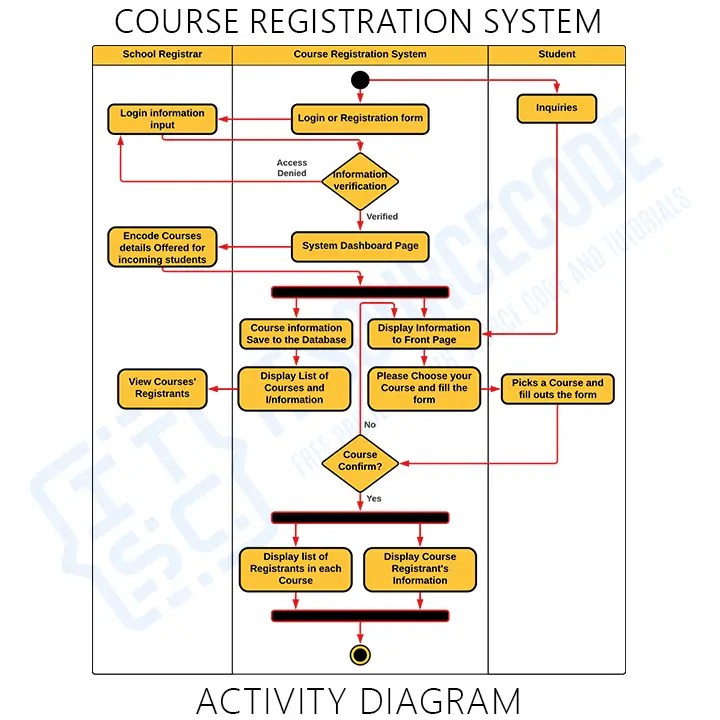
The mechanics of guide university course registration systems hinge on three pillars: data ingestion, rule enforcement, and user interaction. Data flows in from multiple sources—student records, faculty availability, room schedules—before being processed through a series of filters. For example, a student’s major may trigger automatic prerequisites, while departmental quotas might cap enrollment in introductory courses. The system then generates a "registration cart" where users select courses, subject to constraints like time conflicts or instructor permissions. Behind the scenes, algorithms prioritize registrations based on predefined criteria, such as seniority or program requirements, ensuring fairness while managing scarcity.User interaction is where the system’s design either succeeds or fails. The best platforms offer multiple pathways to registration—self-service portals, advisor-assisted modes, or even bulk imports for transfer students. Features like "shopping periods" allow students to test schedules before committing, while mobile apps provide on-the-go access. However, the most critical (and often overlooked) component is the audit trail: a log of every action, from registration attempts to waitlist placements, which administrators use to troubleshoot issues. This transparency is non-negotiable, as disputes over denied registrations or dropped classes frequently hinge on whether the system’s decisions were documented and explainable.
Key Benefits and Crucial Impact
Guide university course registration systems have redefined academic planning by eliminating the inefficiencies of manual processes. Gone are the days of standing in line for registration slips or relying on word-of-mouth for course availability. Today’s systems enable institutions to handle tens of thousands of registrations in hours, reducing administrative overhead while improving accuracy. For students, the benefits are equally transformative: 24/7 access to schedules, real-time notifications for changes, and the ability to plan semesters in advance. The ripple effects extend to faculty, who can use enrollment data to adjust class sizes or develop new courses based on demand trends.Table of Contents
- The Complete Overview of Guide University Course Registration Systems
- Historical Background and Evolution
- Core Mechanisms: How It Works
- Key Benefits and Crucial Impact
- Major Advantages
- Comparative Analysis
- Future Trends and Innovations
- Conclusion
- Comprehensive FAQs
- Q: Why does my desired course show as "closed" even though it hasn’t reached capacity?
- Q: Can I register for a course if I haven’t fulfilled its prerequisites?
- Q: What’s the difference between a waitlist and a "closed" course?
- Q: How do I handle registration conflicts (e.g., two classes at the same time)?
- Q: What should I do if the registration system crashes during peak hours?
- Q: Can I register for courses outside my major without permission?
- Q: How do I add a course after the official registration deadline?
- Q: What happens if I don’t register for classes by the deadline?
- Q: Are there any hidden fees for using the online registration system?
- Q: How can I prepare for registration if I’m a transfer student?
Yet, the true impact lies in the democratization of access. These systems have broken down barriers for non-traditional students, allowing working professionals to register during off-peak hours or transfer students to import credits seamlessly. Institutions like the University of Maryland have used predictive analytics within their guide university course registration systems to identify at-risk students early, intervening with academic advisors before enrollment gaps widen. The data generated also informs strategic decisions—from expanding popular majors to reallocating resources to underenrolled programs. In an era where every dollar spent on education must justify its return, these systems are no longer optional; they’re essential.
"The most successful universities aren’t just teaching students—they’re teaching them how to navigate the systems that shape their education." — Dr. Elena Rodriguez, Dean of Academic Technology, University of California System
Major Advantages
- Scalability: Systems handle enrollment spikes during peak periods (e.g., fall semester) without manual intervention, using auto-scaling servers and load-balancing algorithms.
- Data-Driven Decision Making: Real-time analytics provide insights into enrollment patterns, helping institutions adjust offerings before shortages occur.
- Accessibility: Mobile-responsive designs and multilingual support ensure all students—including international or first-generation—can register independently.
- Integration with Other Systems: Seamless connections to financial aid, housing, and advising tools create a unified student experience.
- Compliance and Auditing: Automated logging of all registration activities ensures transparency, reducing disputes and meeting accreditation standards.

Comparative Analysis
| Feature | Traditional Systems (e.g., Banner) | Modern Systems (e.g., Workday, Slate) |
|---|---|---|
| User Interface | Static, desktop-only; requires IT support for updates. | Responsive, mobile-first; AI-driven personalization. |
| Registration Speed | Batch processing; delays during peak times. | Real-time processing; priority queues for high-demand courses. |
| Data Analytics | Basic reporting; manual exports for trends. | Predictive modeling; automated alerts for enrollment risks. |
| Customization | Limited to institutional templates. | Modular design; APIs for third-party integrations (e.g., career services). |
Future Trends and Innovations
The next frontier for guide university course registration systems lies in hyper-personalization and proactive engagement. AI-powered chatbots are already handling routine queries, but future systems may use machine learning to suggest course sequences based on a student’s career goals—not just prerequisites. Imagine a platform that flags potential schedule conflicts before registration opens or recommends alternative courses if a student’s desired class fills up. Institutions like Georgia Tech are experimenting with dynamic pricing for courses, offering discounts during off-peak registration periods to balance enrollment across semesters.Blockchain technology could further revolutionize these systems by enabling secure, tamper-proof records of course completions, transfers, and even micro-credentials. Meanwhile, the rise of micro-credentials and stackable degrees will demand registration systems that support modular enrollment, allowing students to mix and match courses across disciplines without traditional semester constraints. The ultimate goal? A system that doesn’t just register students for classes but registers classes for students—anticipating needs, optimizing paths, and ensuring every academic interaction is both efficient and meaningful.
Conclusion
Guide university course registration systems have evolved from administrative necessities to strategic assets, shaping not just how students enroll but how they experience higher education. The shift from passive registration to proactive planning reflects a broader trend: institutions are treating education as a dynamic, personalized journey rather than a one-size-fits-all process. For students, mastering these systems is no longer optional—it’s a skill that can mean the difference between a haphazard academic path and a deliberate, optimized one. As technology advances, the challenge will be to ensure these tools remain accessible, transparent, and aligned with the human element of learning.The future of guide university course registration systems isn’t just about efficiency; it’s about agency. Whether through AI-driven advice, blockchain-secured records, or real-time collaboration with advisors, these platforms will continue to blur the line between enrollment and empowerment. The institutions that thrive will be those that don’t just upgrade their systems but rethink how they use them—to serve students, not the other way around.
Comprehensive FAQs
Q: Why does my desired course show as "closed" even though it hasn’t reached capacity?
A: This typically occurs due to one of three reasons: (1) Departmental quotas—some programs cap enrollment to maintain class ratios; (2) Instructor limits—faculty may have maximum teaching loads; or (3) System glitches—rarely, a bug may prevent the system from updating availability in real time. Check with your advisor or the department for waitlist options.
Q: Can I register for a course if I haven’t fulfilled its prerequisites?
A: Most guide university course registration systems enforce prerequisites automatically, but exceptions exist. Some institutions allow "permission numbers" for override requests, while others require advisor approval. Always verify with your academic department before assuming you’ll be granted access.
Q: What’s the difference between a waitlist and a "closed" course?
A: A "closed" course is full and no longer accepting registrations, while a waitlist dynamically adds students as spots open up. Some systems prioritize waitlist placements based on seniority or major, so monitoring your position is crucial. Always confirm whether your institution’s waitlist is first-come, first-served or uses a different algorithm.
Q: How do I handle registration conflicts (e.g., two classes at the same time)?
A: Modern systems often flag conflicts during the "shopping period," but if you miss it, use the system’s conflict resolver tool to adjust your schedule. Manually drag courses in your portal to find alternative time slots, or contact the registrar’s office for assistance. Some institutions offer "conflict resolution" periods where students can swap classes without penalties.
Q: What should I do if the registration system crashes during peak hours?
A: First, check your institution’s IT status page for outages. If the issue persists, contact the registrar’s office immediately—they may have alternative registration methods (e.g., phone or in-person assistance). Avoid refreshing the page repeatedly, as this can worsen server loads. Save your progress frequently if editing a schedule.
Q: Can I register for courses outside my major without permission?
A: Policies vary, but most institutions allow open registration for non-majors unless the course has limited seats (e.g., lab-based or instructor-led). However, some departments require approval to ensure students have the necessary background. Always review your university’s catalog or consult an advisor to avoid complications.
Q: How do I add a course after the official registration deadline?
A: This depends on your institution’s add/drop periods. Some allow late additions with instructor approval, while others charge fees or require a petition. Check the academic calendar for deadlines and contact the registrar’s office for exceptions. Never assume you can add a course after the fact—procrastination can lead to costly penalties.
Q: What happens if I don’t register for classes by the deadline?
A: Most universities automatically withdraw students who miss registration deadlines, resulting in a "W" (withdrawn) grade and potential financial aid adjustments. Some institutions send reminders, but it’s your responsibility to monitor deadlines. If you’re unsure, reach out to your advisor or financial aid office before the cutoff.
Q: Are there any hidden fees for using the online registration system?
A: The registration process itself is usually free, but fees may apply for late registration, course drops after the deadline, or certain types of enrollments (e.g., audit status). Always review your institution’s fee schedule and confirm with the bursar’s office if you’re unsure. Some systems also charge for priority registration access (e.g., early bird discounts for seniors).
Q: How can I prepare for registration if I’m a transfer student?
A: Start by requesting an official transcript evaluation to ensure your credits transfer correctly. Meet with an academic advisor to map out your degree plan, then use your institution’s guide university course registration system to explore equivalent courses. Many transfer portals offer "degree audit" tools to visualize how your credits apply. If possible, register during off-peak hours to avoid system delays.
Leave a Comment
Comments are moderated before appearing. The data you submit is processed according to the Privacy Policy of Neip.