Cheap Used Auto Parts Baltimore: Savvy Buyers’ Guide

The Baltimore area’s used auto parts scene is a goldmine for budget-conscious drivers, mechanics, and DIY enthusiasts. Whether you’re restoring a classic, repairing a daily driver, or simply looking to cut costs, the city’s network of salvage yards, online marketplaces, and local dealers provides access to high-quality components at a fraction of retail prices. But navigating this market requires strategy—understanding where to look, how to verify quality, and when to negotiate can mean the difference between a smart investment and a costly mistake.
What sets Baltimore apart is its blend of traditional salvage yards and modern digital platforms, creating a hybrid ecosystem where old-school haggling meets algorithm-driven deals. The city’s proximity to major highways and its status as a regional hub for automotive trade mean parts move quickly, often at prices that undercut new alternatives. Yet, without local knowledge, even experienced buyers can overlook hidden gems or fall prey to overpriced or mismatched inventory.
For those willing to put in the effort, the rewards are substantial. A well-sourced used brake rotor might save you $150 compared to a new one, while a rebuilt transmission could cut replacement costs by nearly 60%. But the real art lies in balancing savings with reliability—knowing which parts hold value over time and which are better left to professionals. This guide breaks down the mechanics of Baltimore’s used auto parts market, from historical roots to future trends, ensuring you leave no dollar—or part—unturned.
The Complete Overview of Cheap Used Auto Parts Baltimore
The concept of buying used auto parts isn’t new, but its evolution in Baltimore reflects broader shifts in consumer behavior, environmental awareness, and economic necessity. Decades ago, salvage yards were seen as last-resort destinations for parts from totaled vehicles, often with questionable quality control. Today, they’re a cornerstone of sustainable motoring, where certified pre-owned components—ranging from engines to sensors—are vetted, reconditioned, and sold with warranties. This transformation has turned Baltimore into a microcosm of the national trend: a city where cost savings, eco-consciousness, and mechanical pragmatism intersect.
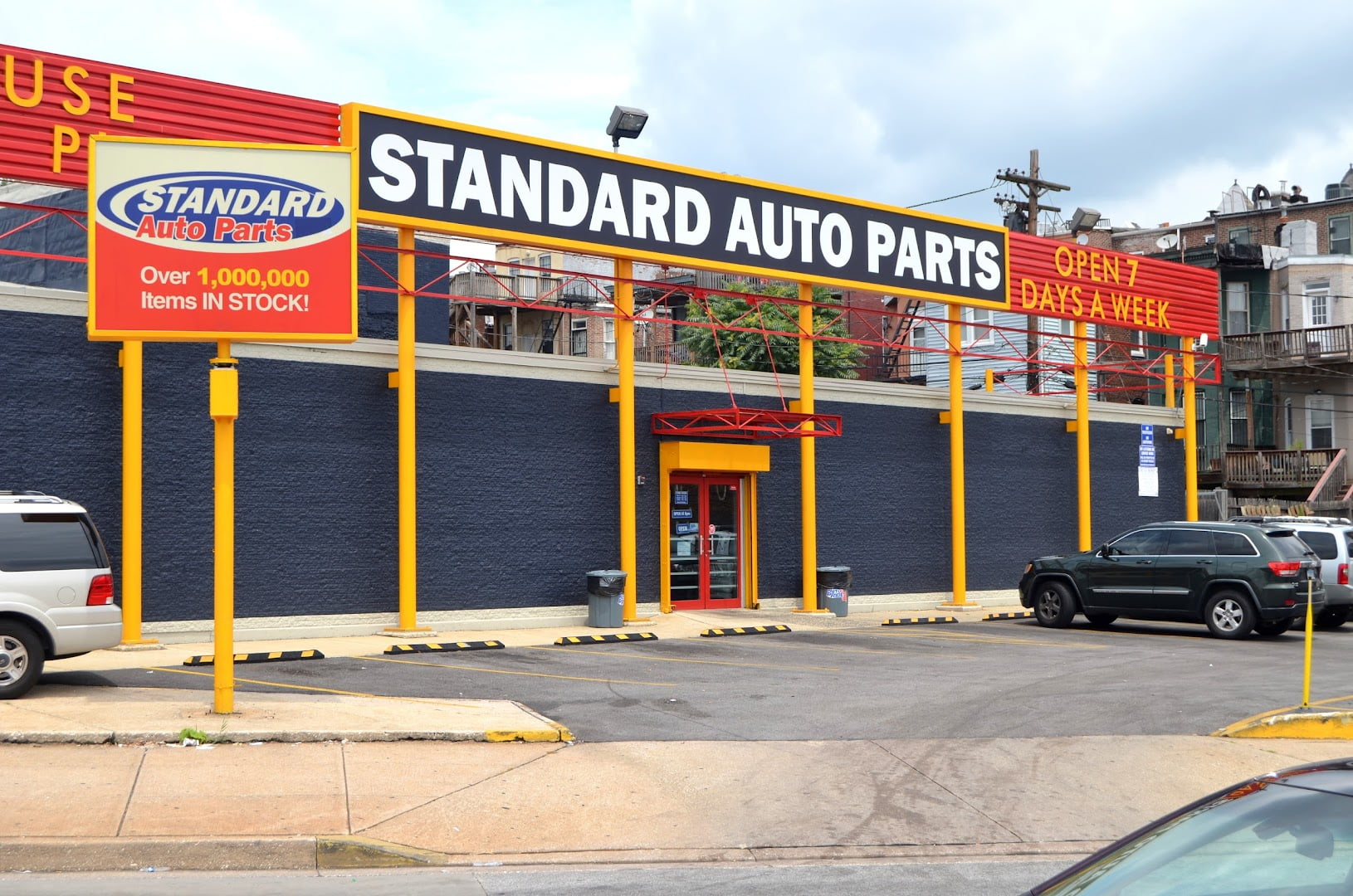
What makes Baltimore’s market unique is its geographic and demographic diversity. The city’s mix of urban commuters, classic car collectors, and small-business mechanics creates demand for everything from OEM-spec parts to rare imports. Junkyards in neighborhoods like Park Heights and Dundalk, for instance, often stock inventory tailored to older American models, while dealers near the Inner Harbor cater to luxury and European vehicle owners. Online platforms like Facebook Marketplace and Craigslist have further democratized access, allowing buyers to compare prices across the region without leaving their garages.
Historical Background and Evolution
The roots of Baltimore’s used auto parts industry trace back to the early 20th century, when the city’s booming industrial base generated a steady stream of worn-out vehicles. Early salvage operations were rudimentary—often little more than lots where scrap metal and usable components were sold by weight or at the discretion of the yard owner. The post-WWII era saw the rise of specialized junkyards, particularly in areas like Perry Hall and White Marsh, where dealers began dismantling cars systematically to recover parts for resale. This period also marked the birth of the "pull-a-part" model, where customers could browse and select components themselves, a practice still common today.
Table of Contents
- The Complete Overview of Cheap Used Auto Parts Baltimore
- Historical Background and Evolution
- Core Mechanisms: How It Works
- Key Benefits and Crucial Impact
- Major Advantages
- Comparative Analysis
- Future Trends and Innovations
- Conclusion
- Comprehensive FAQs
- Q: Are used auto parts in Baltimore safe for my vehicle?
- Q: How do I find the best deals on cheap used auto parts Baltimore?
- Q: Can I return or exchange a used auto part if it’s defective?
- Q: What’s the difference between a salvage yard and an auto parts store?
- Q: Are there any risks to buying used auto parts online?
- Q: How can I tell if a used auto part is in good condition?
By the 1980s, environmental regulations and the growing popularity of car restoration sparked a shift toward professional reconditioning. Yards like Auto Salvage of Maryland and Baltimore Auto Wreckers began offering warranties and core exchanges, while trade publications highlighted Baltimore’s role as a regional parts hub. The digital revolution of the 2000s accelerated this trend, with online marketplaces connecting buyers directly to sellers, reducing middleman markups. Today, Baltimore’s used auto parts ecosystem is a hybrid of traditional yards, e-commerce, and even pop-up "parts fairs" where dealers showcase inventory in vacant lots.
Core Mechanisms: How It Works
The mechanics of sourcing cheap used auto parts Baltimore revolve around three primary channels: physical salvage yards, online marketplaces, and dealer networks. Physical yards operate on a "first-come, first-served" basis, where buyers inspect parts in person, negotiate prices, and often pay a small fee for core removal (the process of extracting a part from a donor vehicle). Online platforms, meanwhile, rely on listings with photos, vehicle history (where available), and seller ratings, though these lack the tactile verification of a hands-on inspection. Dealer networks, such as those affiliated with insurance companies or auto clubs, offer curated selections with added guarantees, typically at a premium to yard prices.
Understanding how parts are priced is critical. Most used components are valued based on their condition, age, and demand. A used alternator from a 2010 Toyota Camry, for example, might sell for $80–$120, while a rebuilt one could cost $150–$200. Yards often discount parts in bulk or during off-peak seasons (winter months), and some offer "mystery bins" where buyers pay per pound for unmarked inventory. The key is to cross-reference prices across platforms—comparing a yard’s offer to online listings can reveal discrepancies worth exploiting. Additionally, parts with high failure rates (e.g., water pumps, timing belts) are more likely to be reconditioned, adding another layer of complexity to pricing.
Key Benefits and Crucial Impact
The primary appeal of cheap used auto parts Baltimore is financial—parts can cost anywhere from 30% to 70% less than new equivalents, making them ideal for budget repairs or fleet maintenance. For example, a used catalytic converter might run $200 versus $600 new, while a remanufactured suspension component could save hundreds on a full rebuild. Beyond savings, used parts extend the lifespan of older vehicles, reducing the environmental footprint of automotive waste. In a city like Baltimore, where public transit and ride-sharing are growing but not yet ubiquitous, affordable repairs keep older cars on the road, lowering emissions and traffic congestion.
Yet the benefits extend to mechanics and hobbyists. Shops that specialize in used parts often provide training in diagnostics and reconditioning, fostering a skilled workforce. For enthusiasts, Baltimore’s market is a treasure trove for rare or discontinued components, from vintage Chrysler parts to European performance pieces. The city’s proximity to ports also means exotic imports—think Japanese JDM or German tuning parts—can sometimes be sourced at lower costs than in dealerships. However, the trade-off is risk: without proper vetting, buyers may encounter parts with hidden damage or incompatible specifications.
"The best deals aren’t always the cheapest—they’re the ones that balance cost with reliability. A $50 used brake master cylinder might fail in six months, but a $100 reconditioned one could last twice as long."
— Mark Reynolds, Owner of Baltimore Auto Salvage
Major Advantages
- Cost Efficiency: Used parts can slash repair bills by 40–60%, making them ideal for high-mileage vehicles or low-income households. For instance, a used exhaust manifold for a Ford F-150 might cost $120 versus $350 new.
- Environmental Sustainability: Reusing auto parts diverts millions of pounds of metal and plastic from landfills annually. Baltimore’s yards alone process thousands of vehicles yearly, reducing waste.
- Access to Rare/Discontinued Parts: Classic car owners and tuners rely on used markets to find OEM components for models no longer in production (e.g., 1990s BMW M3 parts).
- Warranty and Certification Options: Reputable yards and dealers offer limited warranties (30–90 days) on reconditioned parts, mitigating risk for buyers.
- Local Economic Support: Purchasing from Baltimore-based yards keeps money circulating in the community, supporting small businesses and jobs in auto repair and recycling.
Comparative Analysis
| Factor | Used Auto Parts (Baltimore) | New Auto Parts |
|---|---|---|
| Cost | 30–70% cheaper; e.g., $80 for a used alternator vs. $200 new | Full manufacturer warranty; higher upfront cost |
| Availability | Limited by inventory; rare parts may require cross-referencing across yards | Wider availability but subject to dealer stock and lead times |
| Quality Assurance | Varies; reconditioned parts may include warranties; used parts are "as-is" | Consistent quality; OEM parts meet strict manufacturing standards |
| Environmental Impact | Reduces landfill waste; promotes recycling | Higher carbon footprint due to manufacturing and shipping |
Future Trends and Innovations
The next decade will likely see Baltimore’s used auto parts market embrace technology and sustainability in equal measure. Artificial intelligence is already being used to predict part demand based on vehicle registrations and repair trends, allowing yards to stock inventory more efficiently. Blockchain technology could further revolutionize transparency, enabling buyers to trace a part’s history from salvage to resale, including service records and reconditioning details. Meanwhile, the rise of electric vehicles (EVs) is creating a new niche: salvaging and repurposing EV batteries and high-voltage components, which are often more valuable than traditional internal combustion parts.
Sustainability will also drive innovation. Yards may adopt more rigorous recycling programs for non-reusable materials, while "parts-as-a-service" models could emerge, where buyers lease components with the option to purchase or return them. Baltimore’s proximity to research institutions like Johns Hopkins and UMBC could foster partnerships for testing reconditioning techniques, such as advanced cleaning processes for engine blocks or AI-driven diagnostics for used transmissions. As consumer awareness grows, demand for certified, eco-friendly used parts will likely outpace traditional salvage, reshaping the industry into a more regulated and high-tech sector.

Conclusion
Baltimore’s used auto parts market is more than a cost-saving measure—it’s a testament to resourcefulness, environmental stewardship, and the enduring appeal of the American DIY ethos. For mechanics, restorers, and everyday drivers, the city’s network of yards, dealers, and online platforms offers unparalleled access to quality components at prices that make sense. Yet, success in this space requires more than just hunting for bargains; it demands knowledge of part conditions, negotiation skills, and an understanding of when to invest in reconditioned versus used inventory.
As the industry evolves, those who stay ahead will be the ones who leverage technology, prioritize sustainability, and build relationships with trusted suppliers. Whether you’re a professional mechanic or a weekend warrior, Baltimore’s used auto parts scene provides the tools—and the savings—to keep vehicles running longer, cleaner, and more affordably. The question isn’t whether you can afford to buy used; it’s whether you can afford not to.
Comprehensive FAQs
Q: Are used auto parts in Baltimore safe for my vehicle?
A: Safety depends on the part’s condition and source. Reconditioned or remanufactured parts (e.g., brakes, transmissions) often come with warranties and are tested for functionality. Used parts, however, are sold "as-is," so inspect for wear, corrosion, or mismatched specifications. Always verify compatibility with your vehicle’s VIN or consult a mechanic.
Q: How do I find the best deals on cheap used auto parts Baltimore?
A: Start by comparing prices across yards (e.g., Auto Salvage of Maryland, Baltimore Auto Wreckers) and online platforms like Facebook Marketplace. Visit yards during off-hours for fewer crowds, and ask about bulk discounts or "mystery bins" for unmarked parts. Follow local auto groups on social media for flash sales.
Q: Can I return or exchange a used auto part if it’s defective?
A: Policies vary. Most salvage yards offer no returns on used parts, but reconditioned or certified components may include 30–90 day warranties. Always ask about return policies before purchasing. Some dealers accept core exchanges (e.g., trading in a used part for credit toward another purchase).
Q: What’s the difference between a salvage yard and an auto parts store?
A: Salvage yards sell parts directly from dismantled vehicles, often at lower prices but with no guarantees. Auto parts stores (like AutoZone or O’Reilly Auto Parts) may carry used or reconditioned inventory alongside new parts, often with warranties. Stores typically offer more convenience but at higher prices than yards.
Q: Are there any risks to buying used auto parts online?
A: Yes. Online purchases lack physical inspection, increasing the risk of receiving damaged, incompatible, or misrepresented parts. Mitigate risks by: 1) Buying from sellers with high ratings, 2) Requesting detailed photos/videos of the part, 3) Using secure payment methods (e.g., PayPal Goods & Services), and 4) Checking for return policies. Avoid deals that seem "too good to be true"—they often are.
Q: How can I tell if a used auto part is in good condition?
A: Inspect for:
- Corrosion/Rust: Check gaskets, bolts, and metal surfaces for pitting or flaking.
- Wear and Tear: Look for uneven surfaces on brake rotors, cracked hoses, or glazed clutch plates.
- Functionality: Test electrical components (e.g., sensors, alternators) with a multimeter if possible.
- Compatibility: Verify part numbers match your vehicle’s specs (use a VIN decoder if unsure).
- Smell: A burnt odor may indicate overheating or fluid leaks.
Leave a Comment
Comments are moderated before appearing. The data you submit is processed according to the Privacy Policy of Neip.