Find Reliable VIN Inspection Near Me: A Definitive Guide

When a car’s past isn’t just a story but a legal and financial liability, knowing how to conduct a thorough vin inspection near me isn’t optional—it’s a necessity. Whether you’re negotiating a private sale, inheriting a vehicle, or simply verifying a lease return, the VIN (Vehicle Identification Number) holds the key to a car’s true identity. Skipping this step is like buying a house without checking the deed: the risks—from odometer fraud to salvaged-title concealment—are far costlier than the inspection itself.
The problem? Not all VIN inspection near me services are created equal. Some rely on outdated databases, others charge hidden fees, and a few may even overlook critical red flags buried in state DMV records. The average consumer lacks the time or expertise to cross-reference title histories, salvage reports, and lienholder data across multiple jurisdictions. Yet, one misstep in verification could leave you with a vehicle that’s worthless, unsafe, or legally entangled.
That’s why this guide cuts through the noise. We’ll cover how to locate legitimate inspectors, decode the hidden layers of a VIN report, and avoid the pitfalls of DIY verification tools. For those in a hurry, we’ll also highlight the fastest local VIN inspection services—without sacrificing accuracy.
The Complete Overview of VIN Inspection Near Me
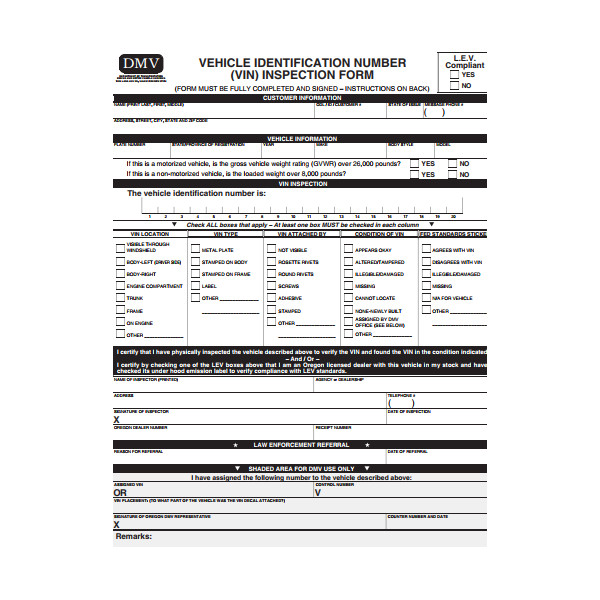
A VIN inspection near me isn’t just about plugging a number into an online form. It’s a multi-step process that blends technology, legal verification, and physical inspection—each step designed to uncover what dealerships or sellers might hide. At its core, the VIN serves as a car’s fingerprint, linking it to its manufacturing details, accident history, ownership transfers, and even recall campaigns. But the real value lies in how this data is interpreted: a flood report in Florida might not appear in a California DMV check, and a rebuilt title could be masked under a clean VIN lookup.The most reliable VIN inspection near me services combine three critical layers: national databases (like Carfax or AutoCheck), state-specific DMV records, and on-site verification (for physical damage or tampering). For example, a VIN check might reveal a car was totaled in Texas, but only a local inspector can confirm whether the frame was properly repaired—or if the odometer was rolled back after the incident. This is why high-end buyers and fleet managers often split the cost between a digital report and a hands-on inspection.
Historical Background and Evolution
The VIN system was standardized in 1981 by the National Highway Traffic Safety Administration (NHTSA) as part of a broader push for vehicle safety and anti-theft measures. Before this, identifying a car’s history required manual cross-referencing of title records, police reports, and manufacturer logs—a process that took days and was prone to errors. The 17-character VIN format (e.g., `1G1ZT52K49U123456`) was designed to encode critical details like the manufacturer, vehicle type, model year, and assembly plant, making it easier to track recalls and fraud.Yet, the system’s evolution didn’t stop there. In the 2000s, the rise of digital databases like Carfax (1984) and AutoCheck (1988) democratized access to VIN reports, but these tools initially relied on voluntary data submissions from dealers and insurers. This created gaps: a car with a clean Carfax report could still have a salvaged title if the seller never reported the damage. Today, VIN inspection near me services bridge this gap by incorporating real-time DMV data, insurance claims, and even law enforcement records in some states.
Core Mechanisms: How It Works
The process begins with the VIN itself, a 17-character alphanumeric code typically found on the dashboard (visible through the windshield), driver’s side door jamb, and engine block. Each segment of the VIN carries specific information:Table of Contents
- The Complete Overview of VIN Inspection Near Me
- Historical Background and Evolution
- Core Mechanisms: How It Works
- Key Benefits and Crucial Impact
- Major Advantages
- Comparative Analysis
- Future Trends and Innovations
- Conclusion
- Comprehensive FAQs
- Q: How long does a VIN inspection near me typically take?
- Q: Can I trust a free VIN check from a dealership or seller?
- Q: What red flags should I watch for in a VIN report?
- Q: Is a VIN inspection required for private sales?
- Q: How much does a professional VIN inspection near me cost?
- Q: What’s the difference between a VIN inspection and a pre-purchase car inspection?
- Q: Can a VIN inspection detect a stolen car?
- Q: Do I need a VIN inspection for a lease return or trade-in?
- Q: Are there any VIN inspection services that work internationally?
When you request a VIN inspection near me, the service provider decodes this number and queries multiple sources:
1. National Databases: Carfax, AutoCheck, or NICB (National Insurance Crime Bureau) for accident, flood, or theft records.
2. State DMV Records: Direct pulls from state motor vehicle departments to verify titles, liens, and ownership history.
3. Manufacturer Reports: For recalls, service history, or warranty claims tied to the VIN.
4. Physical Inspection: If available, an inspector checks for inconsistencies like mismatched paint layers, improperly welded frames, or aftermarket modifications that could indicate fraud.
The most advanced VIN inspection near me services also incorporate AI-driven image analysis to detect tampering in photos submitted by sellers—such as airbrushed damage or digitally altered odometer readings.
Key Benefits and Crucial Impact
The stakes of a VIN inspection near me extend beyond financial losses. A single oversight can lead to:For businesses, the impact is even more severe. Fleet managers who skip VIN verification risk fleet-wide recalls, increased insurance premiums, or even regulatory fines if a vehicle fails emissions tests due to unreported modifications. Meanwhile, private buyers often discover too late that a "great deal" was a car with a rolled-back odometer or a title washed in a foreign country.
"A VIN inspection isn’t just about what you see—it’s about what you don’t see until it’s too late. The best inspectors don’t just tell you the car’s history; they tell you what that history means for your wallet and safety." — Mark Thompson, Senior Investigator, NICB
Major Advantages
- Fraud Detection: Identifies cloned VINs, title washing (moving a salvaged title to another state), or odometer tampering. For example, a VIN inspection might reveal a car was declared a total loss in Kansas but later retitled in Arizona with no salvage notation.
- Accurate Valuation: Uncovers hidden damage that could lower resale value or trigger insurance denials. A flood-damaged car might look pristine but fail a state inspection, leaving the owner with repair costs.
- Lien and Ownership Clarity: Confirms whether a car is free of liens or has pending legal claims. A VIN inspection near me service can pull lienholder records directly from state databases, avoiding the risk of buying a car that’s still financed.
- Recall and Safety Compliance: Flags unresolved recalls or uninstalled safety devices (e.g., airbag defects). Some states require proof of recall compliance during registration.
- Peace of Mind for High-Stakes Purchases: Ideal for luxury cars, commercial vehicles, or investments where resale value hinges on a clean history. A local VIN inspection can also include a pre-purchase test drive with an expert to spot mechanical issues linked to the VIN’s service records.
Comparative Analysis
Not all VIN inspection near me options are equal. Below is a comparison of key services based on coverage, cost, and reliability:| Service Type | Pros and Cons |
|---|---|
| Online Databases (Carfax/AutoCheck) |
|
| Local DMV Pulls |
|
| Third-Party Inspectors (e.g., AAA, mobile inspectors) |
|
| Law Enforcement/Private Investigators |
|
Future Trends and Innovations
The next generation of VIN inspection near me services is being reshaped by blockchain and IoT (Internet of Things) technology. Car manufacturers like BMW and Tesla are already embedding digital VINs in vehicle software, creating tamper-proof ledgers that track every service visit, accident, and maintenance event. This could eliminate title-washing schemes, as the car’s history would be immutable and verifiable in real time.Meanwhile, AI-powered image recognition is improving fraud detection. Services like VinCheck or VinAudit now analyze photos of a car’s VIN plate, checking for signs of alteration (e.g., repainted digits or mismatched fonts). In the next five years, we may see VIN inspection near me services integrated with autonomous vehicle data streams, where a car’s self-reported diagnostics (e.g., airbag deployment history) sync directly with a buyer’s verification portal.
For now, the most practical innovation is the rise of mobile VIN inspection apps that let users scan a VIN with their phone, cross-reference it against multiple databases, and even record a video inspection for later review. These tools are bridging the gap between convenience and accuracy—critical for the 60% of car buyers who now research online before visiting a dealership.

Conclusion
A VIN inspection near me is no longer a luxury—it’s a non-negotiable step in the car-buying process. The combination of digital databases, state DMV records, and physical inspections creates a shield against fraud, hidden damage, and legal pitfalls. While online tools provide a quick first pass, the most thorough verification often requires local expertise, especially for high-value or commercial vehicles.For those short on time, prioritize services that offer both national reports and state-specific DMV pulls. If you’re buying sight unseen, supplement the VIN inspection near me with a mobile inspector or a trusted third party. And remember: the best inspection isn’t just about the past—it’s about anticipating future risks, from recalls to resale complications. In an era where car fraud costs consumers billions annually, skipping this step is a gamble you can’t afford.
Comprehensive FAQs
Q: How long does a VIN inspection near me typically take?
A: A basic online VIN report (Carfax/AutoCheck) takes 5–10 minutes, while a full inspection—including DMV pulls and physical checks—can take 1–3 days depending on state processing times. Mobile inspectors may schedule appointments within 24–48 hours.
Q: Can I trust a free VIN check from a dealership or seller?
A: No. Free VIN checks often pull data from limited databases (e.g., only the seller’s records) and may exclude critical details like salvage titles or odometer discrepancies. Always use a third-party VIN inspection near me service for unbiased results.
Q: What red flags should I watch for in a VIN report?
A:
- Multiple owners in a short period (could indicate a chop-shop vehicle).
- Title brands like "salvage," "rebuilt," or "flood" that weren’t disclosed.
- Odometer readings that don’t match service records.
- Gaps in insurance coverage or unpaid liens.
- Discrepancies between the VIN and engine/frame numbers (possible cloning).
Q: Is a VIN inspection required for private sales?
A: Not legally, but it’s highly recommended. Some states (e.g., California) require a smog check tied to the VIN, while others mandate title transfers through DMV-verified history. Without a VIN inspection near me, you risk buying a stolen car or one with hidden liabilities.
Q: How much does a professional VIN inspection near me cost?
A: Costs vary by service:
- Basic online report: $30–$50.
- State DMV pull: $10–$30 (varies by state).
- Mobile inspection: $100–$300 (includes report and on-site check).
- Private investigator/law enforcement: $500+ (for high-risk cases).
Q: What’s the difference between a VIN inspection and a pre-purchase car inspection?
A: A VIN inspection near me focuses on documentation (title, accident history, liens), while a pre-purchase inspection examines the physical condition of the car (engine, frame, mechanical systems). Both are essential: a VIN check reveals what’s in the paperwork, while an inspection confirms what’s under the hood.
Q: Can a VIN inspection detect a stolen car?
A: Yes, but only if the theft was reported to law enforcement and the VIN is flagged in databases like the NICB’s VINCheck or DMV’s stolen vehicle files. Some VIN inspection near me services cross-reference these lists, but stolen cars with "clean" titles (e.g., title-washed in another state) may slip through. Always verify with local police if a deal seems too good to be true.
Q: Do I need a VIN inspection for a lease return or trade-in?
A: For lease returns, some companies (e.g., Enterprise, Hertz) require a VIN verification to confirm the car’s condition matches the lease agreement. For trade-ins, a dealer may conduct a basic check, but a third-party VIN inspection near me ensures you’re not losing value due to hidden issues. Always request a copy of the report.
Q: Are there any VIN inspection services that work internationally?
A: Limited. Most VIN inspection near me services are U.S.-centric, but some (like VinAudit) offer global checks for imported vehicles. For foreign cars, you’ll need to:
- Obtain a vehicle history report from the country of origin (e.g., Japan’s JDM reports, UK’s HPI Check).
- Verify the VIN against UN/ECE standards (some countries use different formats).
- Check for title washing (e.g., a U.S. title issued for a car previously declared a write-off abroad).
Leave a Comment
Comments are moderated before appearing. The data you submit is processed according to the Privacy Policy of Neip.