Your Area Complete Guide Verizon FiOS—Coverage, Pricing & Hidden Perks

Verizon FiOS isn’t just another internet provider—it’s a high-performance ecosystem blending fiber-optic speed, bundled entertainment, and smart-home integrations. Whether you’re a tech enthusiast, a remote worker, or a streaming devotee, understanding the nuances of FiOS in your region can mean the difference between laggy buffering and seamless 4K streaming. This guide cuts through the noise to deliver precise insights on area-specific FiOS availability, pricing strategies, and features often overlooked by standard reviews.
The challenge with FiOS lies in its fragmented rollout. While urban centers like New York and Los Angeles boast near-universal coverage, rural pockets and newer developments may still rely on older copper infrastructure. Even within the same city, service tiers, promotions, and equipment bundles vary—making a one-size-fits-all approach ineffective. This area complete guide Verizon FiOS addresses those gaps by mapping coverage zones, dissecting speed tiers, and revealing how local demand influences pricing. No fluff, just actionable data.
For businesses or households dependent on low-latency connections, FiOS’s symmetrical upload/download speeds are a game-changer. Yet, many subscribers remain unaware of lesser-known perks like free router upgrades or the ability to mix FiOS with 5G Home Internet. Below, we dissect the mechanics, compare alternatives, and forecast how Verizon’s investments in fiber will shape the next decade of connectivity.
The Complete Overview of FiOS: What You Need to Know
Verizon FiOS stands as one of the few true fiber-optic internet providers in the U.S., offering speeds that dwarf traditional cable or DSL. Unlike satellite or fixed wireless options, FiOS delivers consistent performance regardless of distance from the node, thanks to its all-fiber backbone. This reliability extends to Verizon’s bundled services—FiOS TV and home phone plans—creating an ecosystem where latency-sensitive applications (like cloud gaming or video conferencing) thrive. However, the service’s geographic limitations remain a critical factor. Not all ZIP codes support FiOS, and even where it’s available, the specific tiers (e.g., 500 Mbps vs. 2 Gbps) can shift based on local infrastructure upgrades.The area complete guide Verizon FiOS begins with a fundamental question: Is FiOS right for your location? Verizon’s official coverage map shows service areas in 38 states, but real-world availability often lags behind marketing claims. For example, a neighborhood might be listed as "FiOS-eligible" yet require a waitlist for installation, or only offer slower tiers due to shared node capacity. This guide provides tools to verify eligibility, decode speed tiers, and navigate Verizon’s regional promotions—whether you’re in a high-density city or a suburban sprawl where FiOS competes with Starlink or Google Fiber.
Historical Background and Evolution
FiOS traces its origins to Verizon’s 1990s push into fiber-optic technology, a response to the dial-up era’s limitations. The first commercial deployments in the early 2000s focused on business clients, but by 2005, Verizon began rolling out residential FiOS in select markets like Kansas City and Boston. The strategy was twofold: outpace competitors like Comcast (then still reliant on coaxial cables) and position Verizon as a broadband innovator alongside its mobile dominance. Early adopters praised the speeds, but the rollout was slow—Verizon prioritized profitability over universal coverage, leaving many regions stuck with DSL for years.The 2010s marked a turning point. As streaming demand surged, Verizon upgraded its fiber network to support gigabit speeds and introduced FiOS TV, bundling IPTV with internet service. The company also began phasing out copper-based DSL in favor of fiber, though the transition remains incomplete in some areas. Today, FiOS represents roughly 10% of Verizon’s broadband subscribers, but its influence is outsized—setting benchmarks for latency and reliability that even cable providers now emulate. Understanding this evolution is key to grasping why FiOS’s area complete guide must account for both legacy infrastructure and cutting-edge upgrades.
Core Mechanisms: How It Works
At its core, FiOS uses fiber-optic cables to transmit data as pulses of light, eliminating the signal degradation common in copper-based systems. This translates to lower latency and higher bandwidth, even during peak usage hours. Verizon’s network architecture splits into two layers: the backbone (long-distance fiber) and the last-mile (fiber to the home or node). While the backbone is nearly ubiquitous, the last-mile determines your actual speeds. In FiOS’s case, the signal travels via fiber all the way to your home (FTTH), bypassing the bottlenecks of hybrid fiber-coaxial (HFC) networks used by Comcast or Spectrum.Table of Contents
- The Complete Overview of FiOS: What You Need to Know
- Historical Background and Evolution
- Core Mechanisms: How It Works
- Key Benefits and Crucial Impact
- Major Advantages
- Comparative Analysis
- Future Trends and Innovations
- Conclusion
- Comprehensive FAQs
- Q: How do I check if FiOS is available in my area?
- Q: What’s the difference between FiOS Internet and 5G Home Internet?
- Q: Can I get FiOS without bundling TV or phone service?
- Q: How long does FiOS installation take?
- Q: What equipment do I need for FiOS, and is it free?
- Q: How does FiOS compare to Google Fiber in terms of pricing?
- Q: Can I upgrade my FiOS speed after installation?
- Q: What should I do if FiOS service is slow or unreliable?
- Q: Does FiOS support mesh Wi-Fi networks?
- Q: Are there any hidden fees with FiOS?
The service tiers reflect this infrastructure. A 500 Mbps plan, for instance, may deliver true gigabit speeds in practice due to FiOS’s symmetrical design, whereas cable providers often throttle downstream traffic during congestion. Additionally, FiOS’s TV service rides on the same fiber network, enabling features like cloud DVR and 4K streaming without additional buffering. However, the system isn’t foolproof—outages can occur during extreme weather or if the local node fails. This guide’s area complete guide Verizon FiOS section will help you assess whether your region’s network resilience aligns with your needs.
Key Benefits and Crucial Impact
FiOS’s primary appeal lies in its performance consistency. Unlike satellite internet (prone to weather delays) or fixed wireless (limited by distance from the tower), fiber-optic connections maintain near-identical speeds whether you’re downloading a 4K movie or hosting a multiplayer gaming session. For professionals in fields like architecture or video editing, this stability translates to fewer interruptions and faster project turnarounds. Even in households with multiple devices, FiOS’s high bandwidth ensures that smart home devices, security cameras, and streaming sticks don’t compete for resources.The bundled nature of FiOS also adds value. Subscribers often save hundreds annually by combining internet, TV, and phone services under one bill, with promotions like "no annual contract" or free equipment upgrades. Yet, the benefits extend beyond cost—FiOS’s integration with Verizon’s 5G network allows for seamless transitions between home Wi-Fi and mobile data, a feature increasingly relevant as remote work blurs the lines between office and home. Below, we highlight the advantages that make FiOS a standout in the broadband landscape.
"FiOS isn’t just about speed—it’s about creating an environment where technology works for you, not against you. The difference between 100 Mbps and 1 Gbps isn’t just numbers; it’s the ability to stream, game, and work without compromise." — Tech Industry Analyst, 2023
Major Advantages
- Unmatched Speed and Symmetry: FiOS’s upload and download speeds are identical, unlike cable plans that prioritize downloads. This is critical for cloud backups, video calls, and upload-heavy tasks.
- Reliability in Dense Areas: Fiber’s resistance to electromagnetic interference means fewer outages during storms or high-traffic events compared to copper or wireless alternatives.
- Future-Proof Bundles: Combining FiOS Internet, TV, and phone often unlocks discounts and perks like free streaming apps (e.g., Pluto TV) or early access to new devices.
- Local Support Networks: Verizon’s regional call centers and in-home tech support are more responsive than national cable providers, reducing downtime during issues.
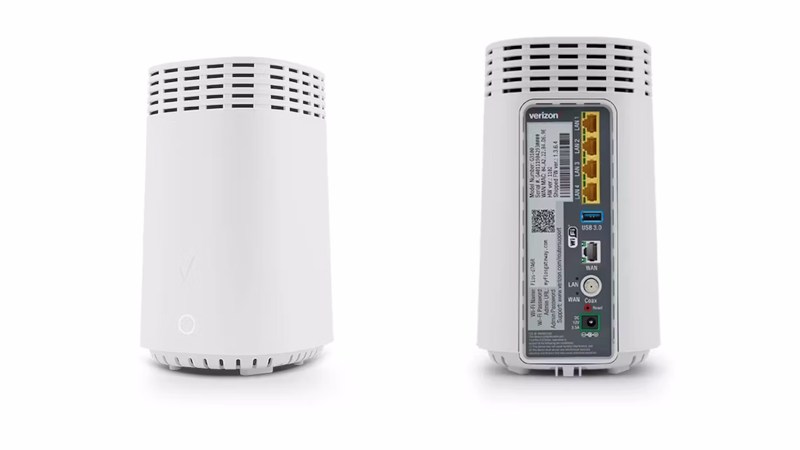
- Smart Home Integration: FiOS routers (like the Quantum Gateway) support advanced features such as guest networks with bandwidth limits and parental controls via the My Verizon app.
Comparative Analysis
While FiOS excels in speed and reliability, other providers offer compelling alternatives depending on your priorities. Below is a side-by-side comparison of FiOS against its closest competitors in terms of area availability, performance, and cost.| Feature | Verizon FiOS | Competitor (e.g., Xfinity, Google Fiber) |
|---|---|---|
| Technology | Fiber-optic (FTTH) | Hybrid fiber-coaxial (HFC) or fixed wireless |
| Max Download Speed | Up to 2 Gbps (varies by area) | 1–1.2 Gbps (Xfinity) or 2 Gbps (Google Fiber in select cities) |
| Upload Speed | Symmetrical (e.g., 500 Mbps up/down) | Asymmetrical (e.g., 35 Mbps up on 1 Gbps plans) |
TV Bundle Flexibility
| Customizable channels, cloud DVR |
Limited a la carte options, regional channel restrictions |
|
Future Trends and Innovations
Verizon’s roadmap for FiOS includes expanding gigabit+ speeds and integrating AI-driven network management to predict and resolve outages before they affect users. The company has also signaled interest in offering FiOS as a standalone service in markets where demand outstrips bundled offerings, potentially competing directly with Google Fiber’s aggressive pricing. Additionally, Verizon is testing 10 Gbps fiber in select business districts, hinting at future consumer rollouts as infrastructure matures.Beyond raw speed, FiOS’s future lies in smart home ecosystems. Verizon’s acquisition of AOL and subsequent partnerships with smart device manufacturers suggest deeper integrations—imagine a FiOS router that auto-adjusts bandwidth based on your daily routines or a TV app that syncs with your home security system. For now, these features are in beta, but the area complete guide Verizon FiOS will be updated to reflect real-world deployments as they occur.

Conclusion
Choosing FiOS hinges on three factors: your location, your usage demands, and your willingness to bundle services. If you live in a FiOS-served area and require speeds beyond what cable can offer, the investment in installation (often waived with promotions) is justified. However, if you’re in a rural zone or prioritize affordability over performance, alternatives like fixed wireless or DSL may suffice. This area complete guide Verizon FiOS serves as both a diagnostic tool and a roadmap—helping you assess whether FiOS aligns with your lifestyle and, if so, how to maximize its potential.As fiber technology advances, the gap between FiOS and competitors will narrow, but Verizon’s early-mover advantage in urban centers ensures it remains a benchmark for reliability. The key takeaway? Don’t assume FiOS is available in your area based on ZIP code alone. Use Verizon’s coverage checker, cross-reference with local reviews, and weigh the long-term value of bundling against standalone plans. The right choice depends on your specific needs—and this guide equips you to make it.
Comprehensive FAQs
Q: How do I check if FiOS is available in my area?
Use Verizon’s official coverage tool by entering your ZIP code. For precise results, call Verizon’s support line (1-800-922-0204) and ask for a technician to verify last-mile fiber availability. Some areas may require a waitlist or only support older tiers.
Q: What’s the difference between FiOS Internet and 5G Home Internet?
FiOS uses fiber-optic cables for a wired, ultra-low-latency connection, while 5G Home Internet relies on wireless signals from a nearby cell tower. FiOS offers consistent speeds regardless of distance from the node, but 5G may be the only option in rural areas where fiber hasn’t been deployed. 5G is also more portable if you need to switch locations.
Q: Can I get FiOS without bundling TV or phone service?
Yes, but promotions for standalone internet plans are rare. Verizon often requires a TV or phone line to qualify for discounts or free installation. If you opt out, expect to pay full price for the internet-only tier, which typically starts at $70–$90/month depending on speed.
Q: How long does FiOS installation take?
Installation usually takes 7–14 business days from order confirmation, but rural or high-demand areas may face delays. Verizon schedules appointments during off-peak hours (evenings/weekends) to minimize disruption. If you’re moving into a FiOS-enabled home, the process may be faster with pre-installed infrastructure.
Q: What equipment do I need for FiOS, and is it free?
FiOS requires a Quantum Gateway (router/modem combo) and, for TV, a set-top box (e.g., FiOS TV Box). Verizon often provides these for free during promotions, but you may incur a $10–$15/month rental fee if you cancel early. Some plans include free Wi-Fi extenders or smart home devices like the Verizon Home Hub.
Q: How does FiOS compare to Google Fiber in terms of pricing?
Google Fiber typically offers lower base prices (e.g., $70 for 2 Gbps vs. FiOS’s $80–$120), but FiOS’s bundled TV and phone services can offset the cost difference. Google Fiber’s availability is limited to ~30 cities, while FiOS covers 38 states but with tiered speeds. For example, Google’s 1 Gbps plan is $70/month, but FiOS’s equivalent may cost $90 unless you bundle.
Q: Can I upgrade my FiOS speed after installation?
Yes, but upgrades may require a technician visit and could take 1–2 weeks. Check your current plan’s speed tier (e.g., 500 Mbps) and call Verizon to confirm if your area supports higher tiers (e.g., 1 Gbps or 2 Gbps). Some upgrades are free during promotional periods, while others may incur a one-time fee.
Q: What should I do if FiOS service is slow or unreliable?
Start by restarting your Quantum Gateway and modem. If the issue persists, run a speed test (speedtest.net) and note the results. Contact Verizon support (1-800-922-0204) or use the My Verizon app to report outages. For widespread issues, check Verizon’s outage map. If the problem is hardware-related, a technician may replace your equipment.
Q: Does FiOS support mesh Wi-Fi networks?
Yes, FiOS’s Quantum Gateway supports mesh networking via compatible third-party routers (e.g., Google Nest Wi-Fi or TP-Link Deco). However, Verizon’s official mesh solution, the FiOS Wi-Fi Extender, is limited to select plans. For optimal coverage, pair your FiOS modem with a high-end mesh system, but ensure it’s compatible with Verizon’s network settings.
Q: Are there any hidden fees with FiOS?
Common hidden costs include:
- Early termination fees (ETFs) if you cancel within 12–24 months of signing a contract (though many FiOS plans are no-contract).
- Equipment rental fees ($5–$15/month) if you don’t own the Quantum Gateway or set-top box.
- Data caps or overage charges for TV streaming (e.g., FiOS TV Go may limit cloud DVR storage).
- Installation fees (usually waived with promotions but may apply in rural areas).
Leave a Comment
Comments are moderated before appearing. The data you submit is processed according to the Privacy Policy of Neip.